2026 Mini John Cooper Works Aceman E review
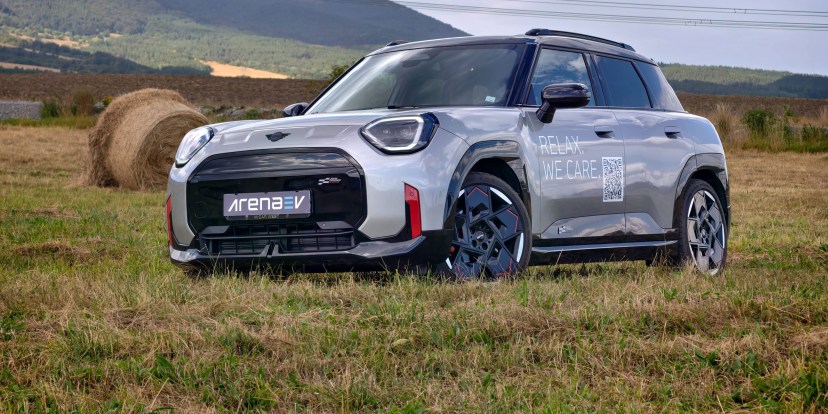
Mini is one of those brands that transcends the automotive world and is now an inherent part of the pop culture with its unique take on life. It all started with the fun little three-door Mini, but the company recently introduced the significantly larger Countryman, which also gained significant traction. And now we have the Aceman, which should fit nicely in the gap between the two.
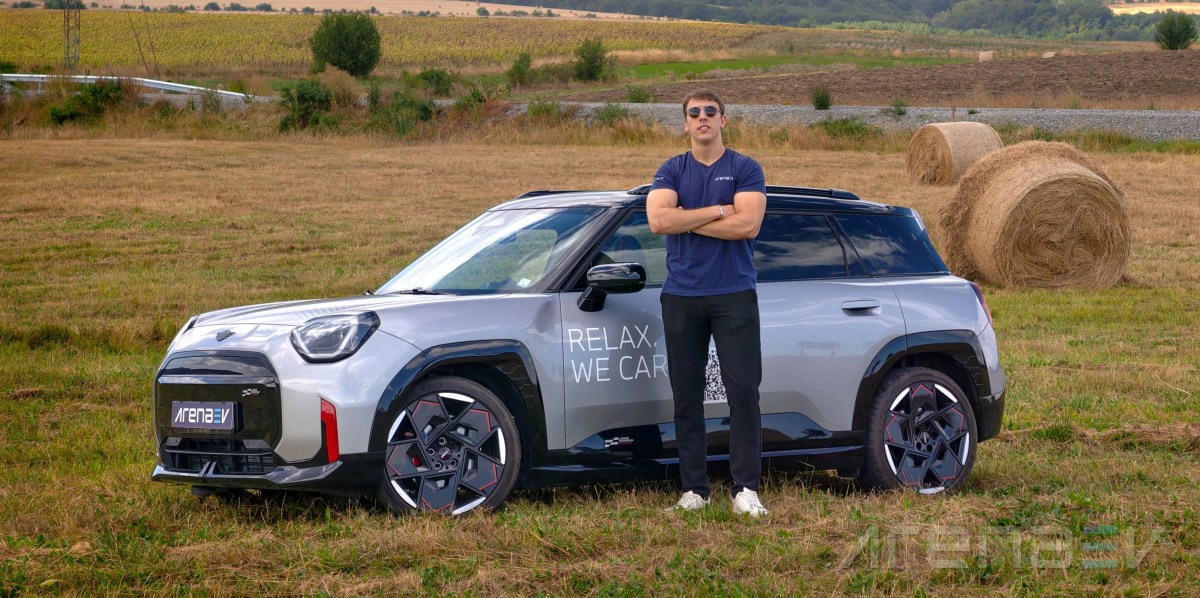
Table of Contents:
- Exterior
- Interior
- Storage & practicalities
- Driving experience
- Ride comfort
- Tech features
- Cabin noise
- Acceleration and braking
- Consumption
- Charging speed
- Competition
- Verdict
Today, we are testing the Mini John Cooper Works Aceman E, the most powerful version of the compact crossover. Measuring just over 13 ft in length, it should still fit urban life well, while offering noticeably more room than the regular Mini.
Mini hopes its design and space maximization will mean the Aceman will still compete with vehicles much larger than it.
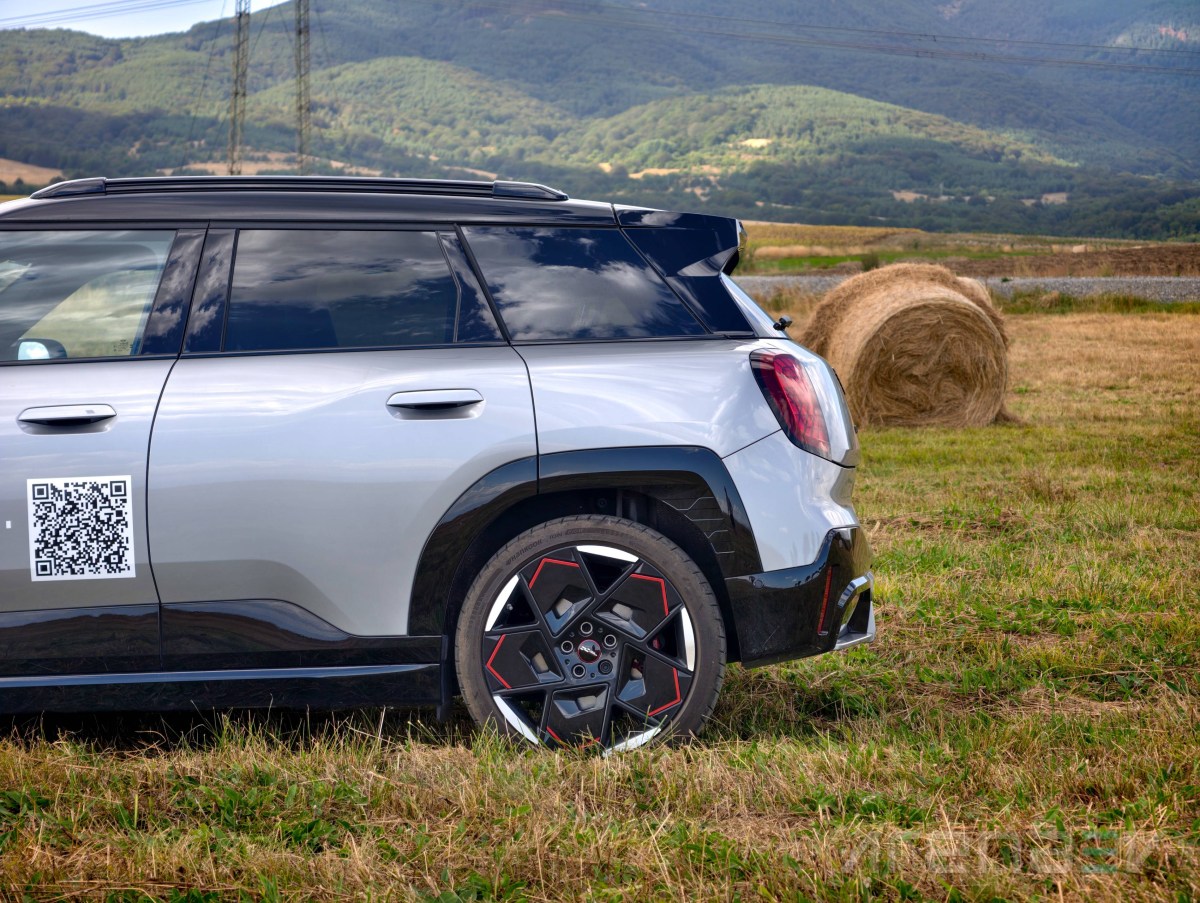
The JCW E produces 258 hp and 258 lb-ft, sent exclusively to the front wheels. The Aceman is also the first Mini model developed solely with electric powertrains, with no petrol alternative offered.
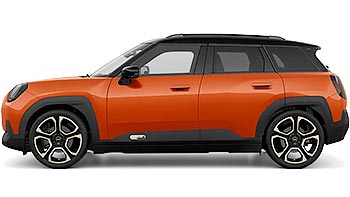
Mini John Cooper Works Aceman E 2024 -
- Dimensions: 160.6 inches x 69.1 inches x 59.6 inches, 102.6 inches wheelbase.
- Drivetrain tested: Aceman JCW E - FWD 190 kW (258 hp), 258 lb-ft, 54.2 kWh total battery capacity, 49.2 kWh usable battery capacity
- Other drivetrains:Aceman E – FWD 135 kW (184 hp), 214 lb-ft, 42.5 kWh total battery capacity, 38.5 kWh usable battery capacity, 193 miles WLTP
- Charging: 95 kW CCS; 10-80% in 31 min
- Range: 221 miles WLTP
- Weight: 4,023 lb unladen, 5,027 lb gross
- Other features: Programmable daylights and stop lights, Games, CarPlay and Android Auto, OTA updates.
Exterior
Mini's design language has gradually evolved from round and cheerful to sharper and more aggressive. The Aceman is still unmistakably a Mini, though, thanks to its high mounted headlights and large front grille, while the added angles give it a somewhat muscular stance.
You can choose between three different daytime running light signatures, allowing the front end to take on slightly different personalities depending on your preferences.
The grille itself is mostly decorative, as the electric Aceman hardly needs such a large opening for cooling. Its shape does preserve the familiar Mini face, although from some angles it makes the car look more like a fish with its mouth open than a tiny performance crossover.
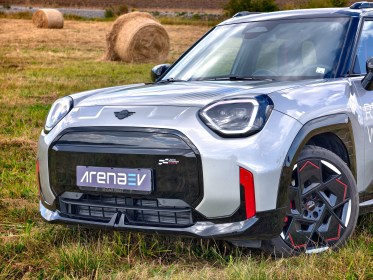
Mini Aceman JCW E front end
From the side, the Aceman keeps the familiar boxy proportions and can easily be mistaken for the larger Countryman at a glance. John Cooper Works badges on the lower front door sills help distinguish this version from the regular models.
The door handles are neatly integrated into the body to improve aerodynamics while remaining easy to use, avoiding the inconvenience of fully flush or motorized designs found on some rivals.
JCW specific wheels complete the look, wrapped in 225/40 R19 Hankook iON evo R tires. They are designed to balance efficiency with sporty handling, although in our experience they fail to excel in either category. However, the R builds up noticeably on performance compared to the standard iON evo.
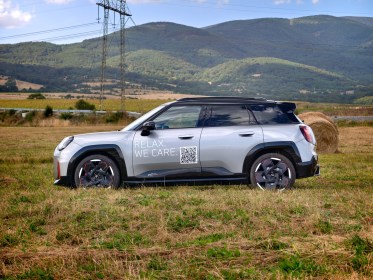
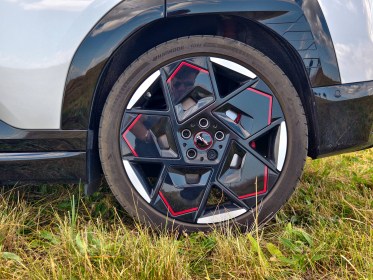
Mini Aceman JCW E side profile
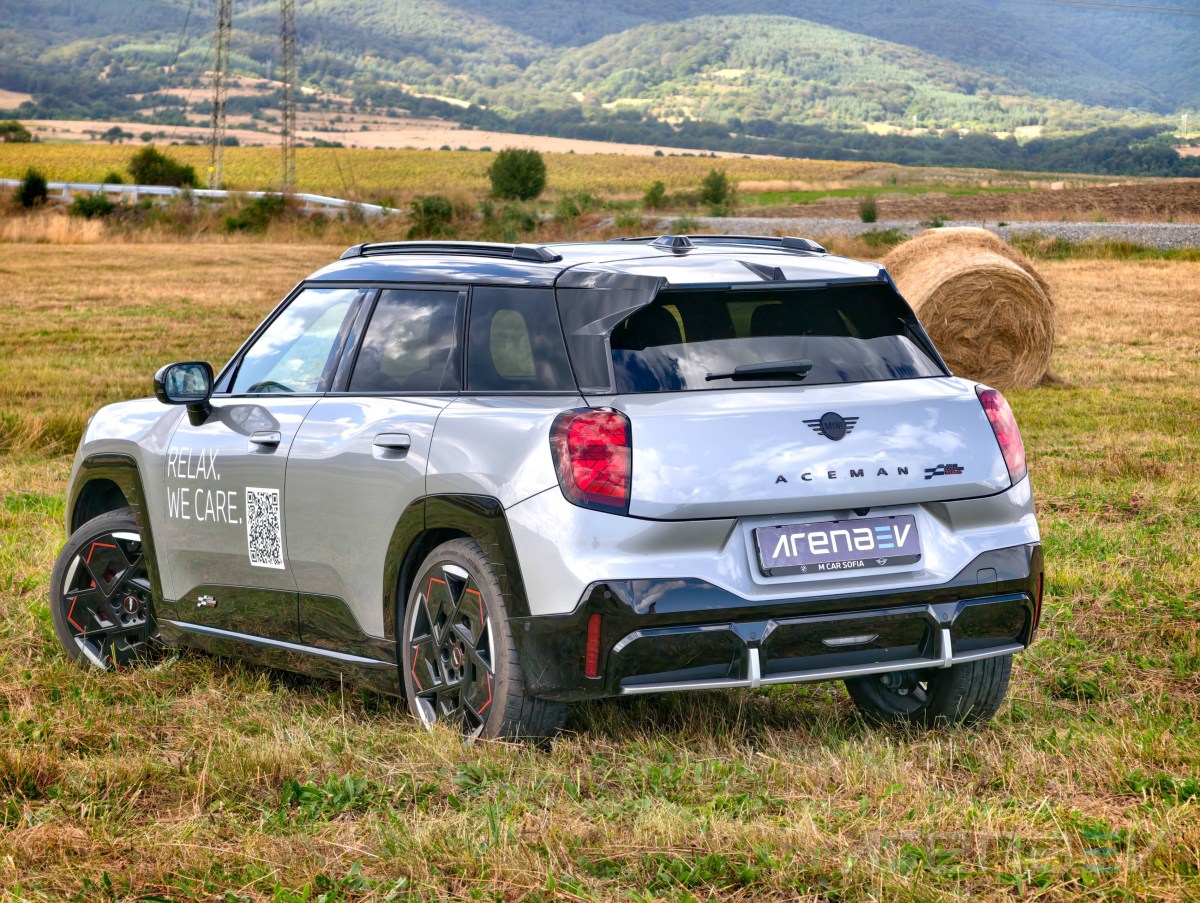
At the rear, the Aceman is once again unmistakably Mini, especially when the taillights are configured to display the Union Jack pattern. A large Aceman inscription stretches across the tailgate, clearly indicating the specific mode.
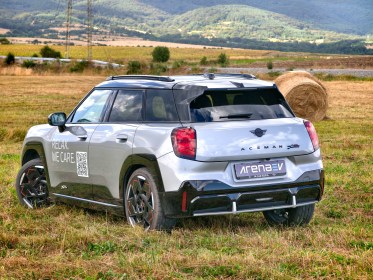
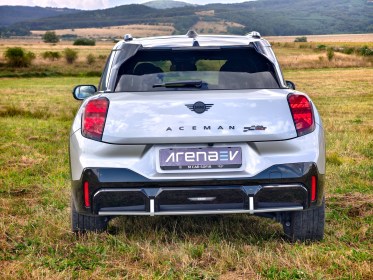
Mini Aceman JCW E rear end
Interior
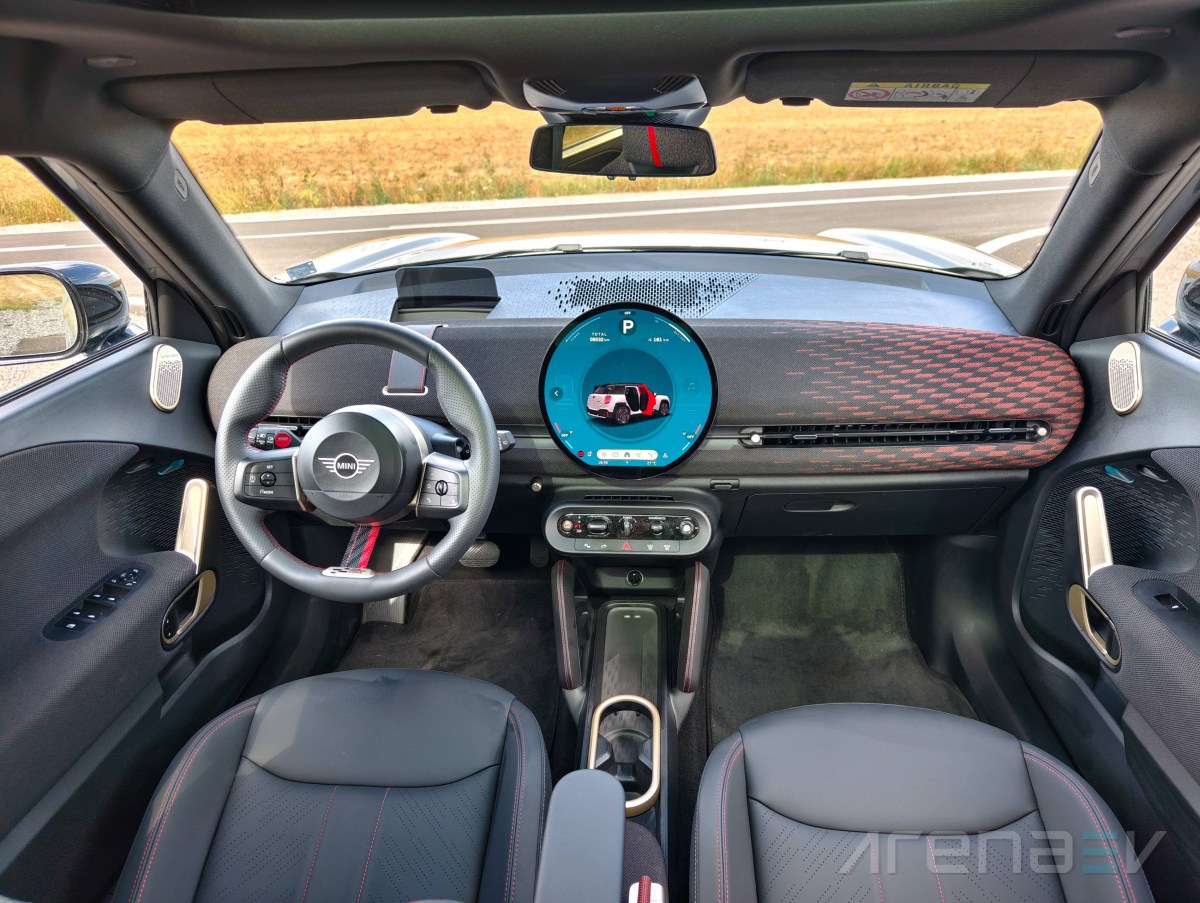
We have already covered Mini's latest interior design in detail in our Cooper SE JCW and Countryman SE ALL4 reviews, so here we will focus on just the highlights. The overall material quality doesn't match the premium aspirations the Mini brand has. Everything is nicely put together, yet the feeling when touching almost any surface in the cabin isn't particularly pleasant.
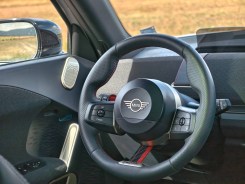
The steering wheel shares most of its controls with other modern Mini and BMW models, but the lower spoke is replaced by a strip of fabric. It adds some much needed personality to an otherwise fairly ordinary design.
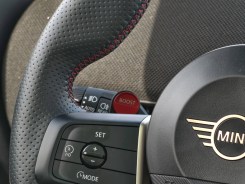
Behind the wheel sits a Boost paddle where you would normally expect a gear shifter. Pull it and the Aceman JCW E unlocks its full power for ten seconds, giving you an kick for overtaking.
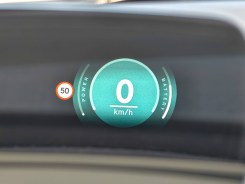
Strangely, there is no traditional instrument cluster. Mini instead places a decorative leather strap on the dashboard where you might expect one, serving absolutely no purpose beyond looking interesting. An optional head up display partially compensates, although we would still prefer having both.
The dashboard itself is covered in a coarse textile mesh that looks distinctive but feels surprisingly rough. Worse still, it attracts dust at an alarming rate and is incredibly difficult to clean. Our low mileage test car had already accumulated plenty of grime that was seemingly impossible to get rid of.
The same material extends onto the doors, where it causes an even bigger problem. During a longer journey, our reviewer's elbow became visibly bruised from constantly resting against the rough surface. Quirky design is one thing, but the interior probably should not physically hurt you.
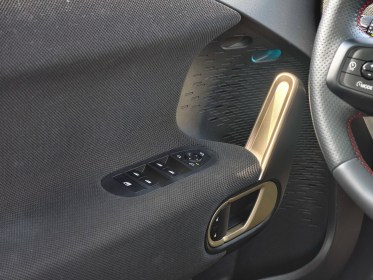
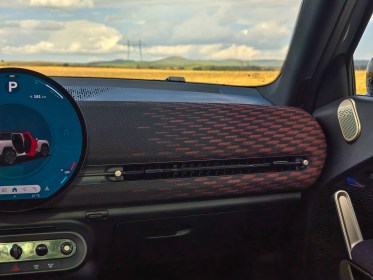
The mesh surface is a borderline safety hazard.
At the center is Mini's signature circular OLED display. It looks very cool, but also shows the reason rectangular screens dominate the market. Many apps struggle to make good use of the circular format and look awkwardly adapted. We will explore those compromises further in the tech features section.
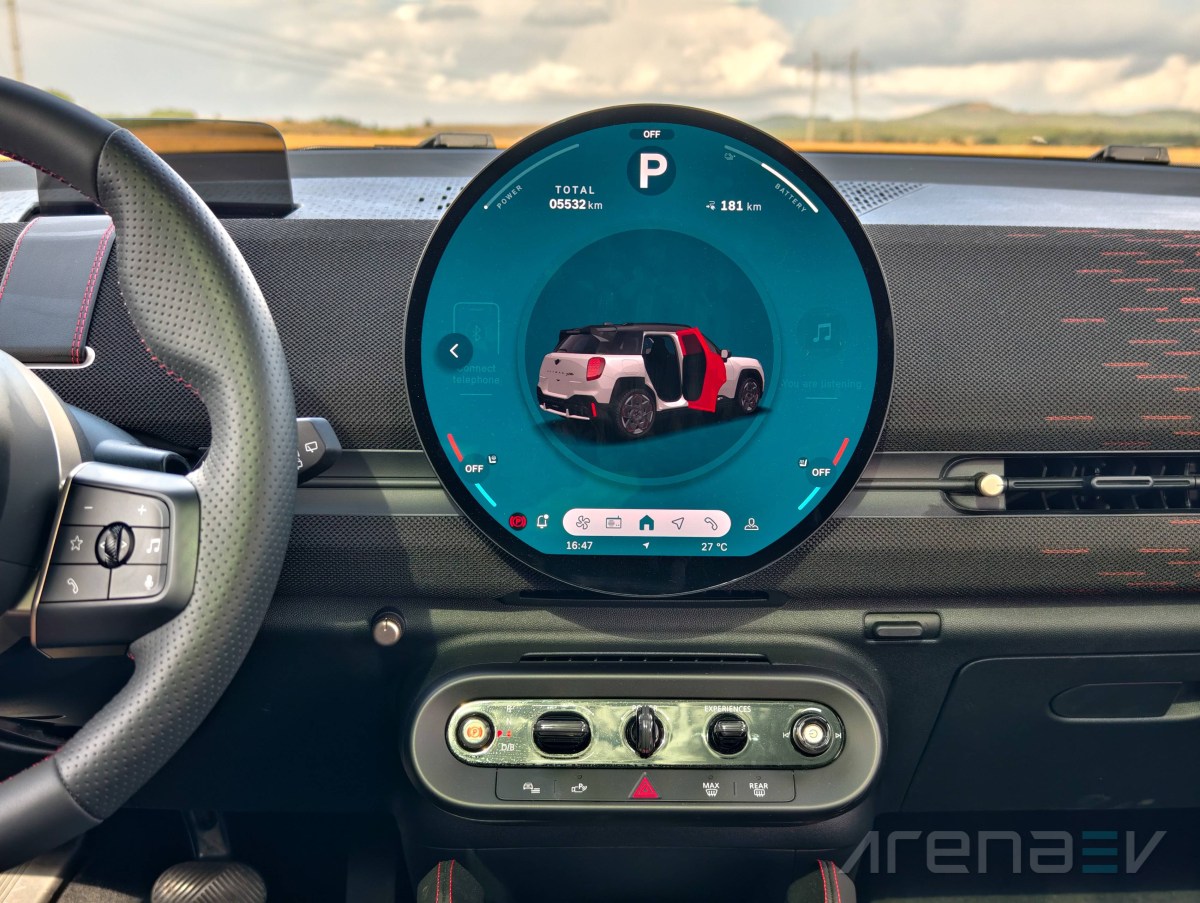
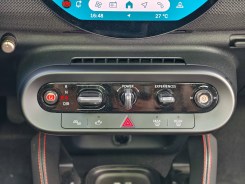
Beneath the screen is a row of physical switches for the most important functions. Mini calls its drive modes "Experiences," controlled through a dedicated toggle alongside the ignition switch, gear selector and audio controls. Separate buttons handle defrosting and the hazard lights.
There is also a shortcut for the cameras and another for the driver assistance menu, making it relatively easy to disable individual systems if they become too bothersome with their chimes. Sadly, the icon shows a generic car rather than a Mini. A tiny detail, perhaps, but one that separates a run-of-the-mill product from a detail-oriented passion project.
The center console is large but not particularly useful. It provides a wireless phone charger, two USB-C ports, a 12V socket and two cup holders. Unfortunately, smaller drinks have a habit of falling over at the first corner or pothole.
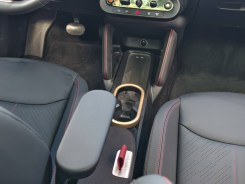
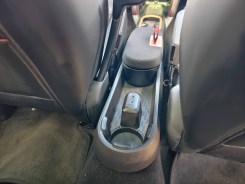
Then there is the armrest, which feels like it was borrowed from the cheapest office chair Mini could find. It cannot be adjusted at all, while the small storage compartment underneath opens away from the driver and is too shallow to hold much of anything useful.
For a vehicle that is largely aimed at female customers, it is a big disappointment that the mirrors in the sun visors don't offer any sort of lighting, rendering them useless at night.
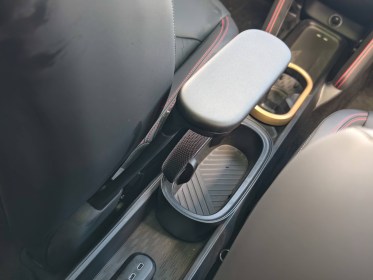
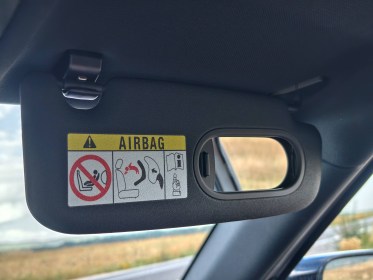
Laughably bad integrations for the armrest and sun visor mirror.
One optional feature we genuinely like is the illuminated panoramic roof. It looks excellent at night and brightens the cabin during the day, while a conventional sliding cover thankfully remains available to protect you from unwanted sunburns.
The JCW seats also feature a unique design that separates them from lesser Aceman versions. They provide decent support through corners without becoming uncomfortable on longer journeys. Unfortunately, the synthetic leather looks and feels distinctly cheap, something that is difficult to forgive at this price, especially in the range topping model.
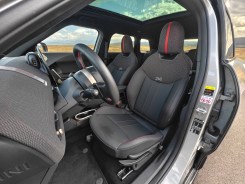
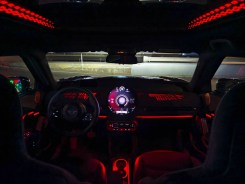

Rear passengers receive few luxuries, which is understandable for a car of this size. More importantly, the Aceman manages to offer enough space for four adults to travel comfortably, even over longer distances.
Our reviewer stands at 1.95 m (6’4”) and fits behind his driving position relatively comfortably. Smaller occupants would feel perfectly, but it’s reassuring that even larger individuals can make use of the Aceman.
The only notable omission is a rear center armrest. It would have added some welcome comfort without requiring much space and feels like an easy opportunity Mini simply missed.


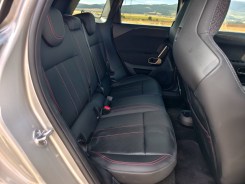
The rear is much more spacious than the size suggests.
Storage & practicalities
Given the Aceman’s compact exterior, cargo space is actually quite respectable. The trunk volume is 10.6 ft³, which is not too much lower than the direct rivals, which are physically larger.
The floor can be set at two different heights, either maximizing space for bulkier items or creating an additional compartment underneath for smaller objects you would rather not have rolling around while driving.
Folding the rear seats expands capacity to 35.5 ft³, making the Aceman considerably more useful for transporting larger items. Notably, the entire space can be utilized thanks to the flat flooring even with the seats folded.
There is no frunk, however, which would have added a bit more everyday practicality for charging cables or smaller belongings.
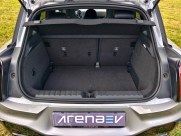
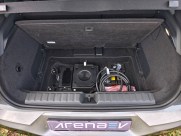
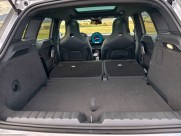
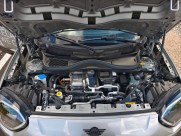
Cargo capacity is commendable for the small Aceman.
Driving experience
Mini has traditionally built its reputation around fun, responsive cars, backed by decades of rally and track success. The Aceman, however, feels far removed from that heritage.
The best way to describe the driving experience is safe. The body stays impressively stable through corners with very little roll, but the steering is so numb that you get almost no meaningful feedback. Forget finding the limit, even placing the car precisely is harder than it should be.

Some boats communicate more clearly through their rudder, which is especially disappointing given how eager previous Mini models used to feel. This criticism applies to much of the current lineup, but the Aceman is the worst offender.
The low-mounted battery helps keep the body composed, yet the combination of a raised ride height, substantial weight and compact footprint puts plenty of stress on the tires. Under harder driving they give up relatively early, limiting the JCW E's performance potential.
One particularly impressive feature actually appeared in the Aceman before BMW started advertising it heavily on the new iX3: exceptionally smooth braking in recuperation mode. Select B on the gear selector and the Aceman can bring itself to a complete stop so seamlessly that it is difficult to pinpoint the exact moment the car stops moving. It gives the kind of polished, chauffeur-like braking feel that very few vehicles can match, regarless of segment.
The one-pedal mode also genuinely lives up to its name. Even with a more enthusiastic driving style, there is rarely any need to touch the brake pedal, making it both intuitive and impressively effective in everyday use.
Our test car lacked the 360-degree camera system, an option we would recommend for anyone regularly dealing with narrow streets or tight parking spaces, because visibility from inside is not great. Based on our previous experience with Mini cars, the full surround view system works great and completely fixes the issue.
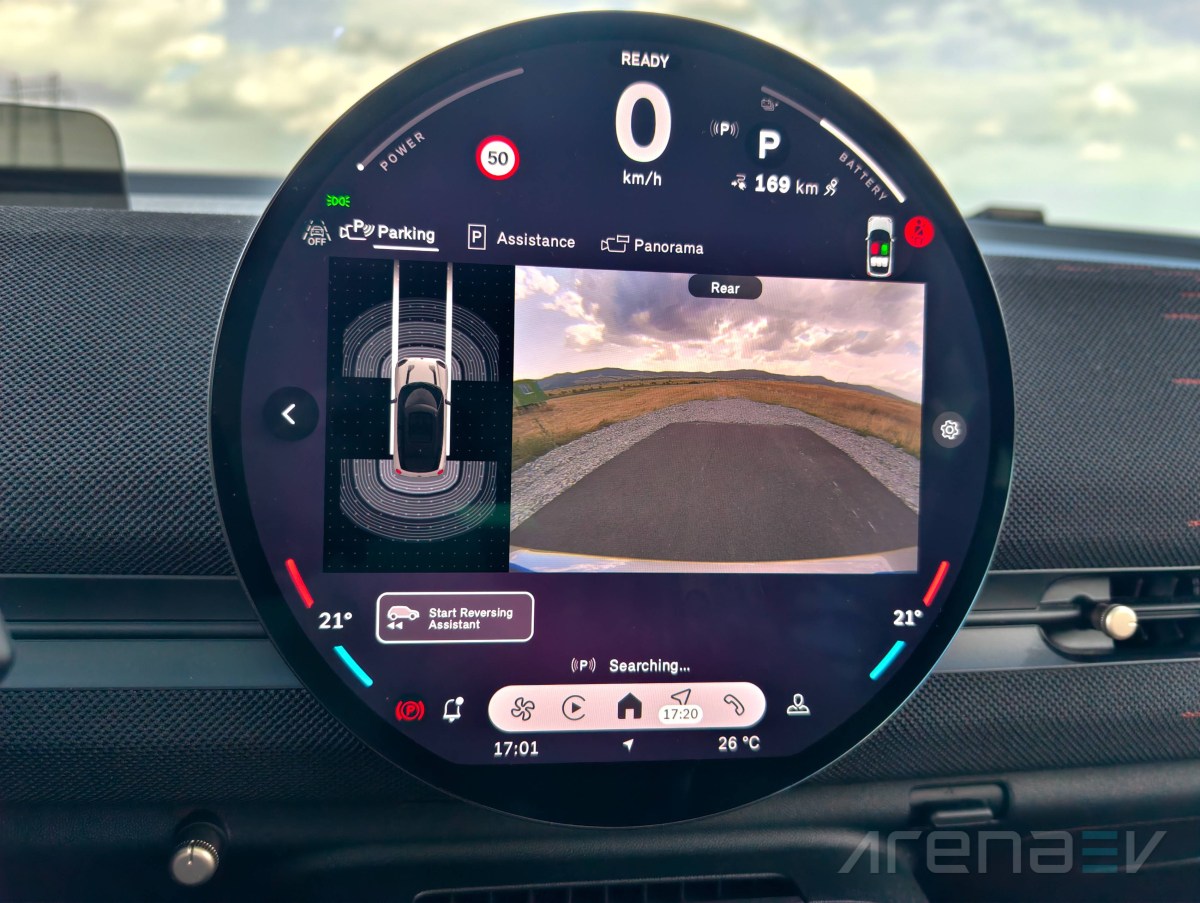
Driver assistance controls are another area where Mini gets things right. European regulations require certain systems, including speed warning and lane keeping assistance, to reactivate at every startup. Holding the SET button on the steering wheel for a few seconds disables the speed warning quickly, while the remaining systems can be adjusted through a dedicated shortcut on the center console. Some rivals allow even quicker adjustments but the Mini still does very well.
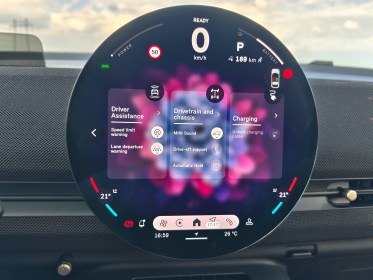
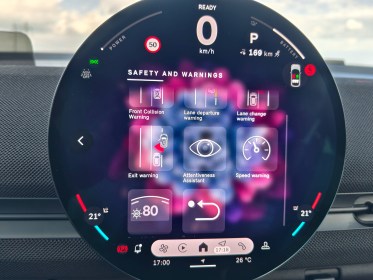
All systems can be easily disabled.
Ride comfort
Ride quality is much better judged than the overall driving experience. The suspension strikes a sensible balance between firmness and comfort, with only occasional harshness over broken or repetitive surfaces. For most daily driving and longer journeys, it remains perfectly good.
Tech features
The Aceman shares most of its technology with the rest of the current Mini lineup, which we have already covered in depth in previous reviews, so we will once again focus on the highlights. The biggest issue to mention straight away is that the infotainment feels noticeably slow by modern standards.
The upper section of the screen is permanently reserved for the speedometer, driving information and notifications, which remaining visible whenever the car is moving.
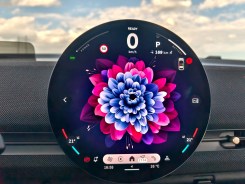
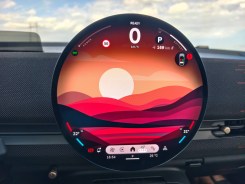
The circular display itself is a clear nod to Mini’s heritage, but in the digital era the shape feels more awkward than clever. Very few apps make proper use of the available space, with most appearing as simple rectangular windows in the middle of the screen and leaving large areas around them unused.
Apple CarPlay is probably the worst. It appears as a small square in the center of the large circular display, which makes navigation and smaller interface elements unnecessarily difficult to read. The result somehow makes a brand new Mini feel older than it actually is.
Our particular test car also had connectivity issues and refused to reconnect to our phones automatically when we entered. Each new drive required another lengthy connection process, which became frustrating very quickly.
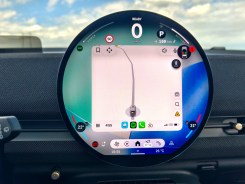
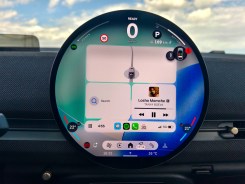
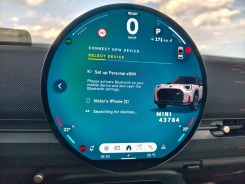
CarPlay is a clear afterthought
Basic climate controls such as temperature and seat heating remain permanently accessible around the edges of the display. More detailed adjustments require opening a dedicated climate menu, which is far less intuitive and especially inconvenient to operate while driving.
The home screen itself is logically arranged, with shortcuts leading to commonly used settings and menus. It is detailed, attractive and easy to understand, but insanely pronounced lag undermines much of that good work.
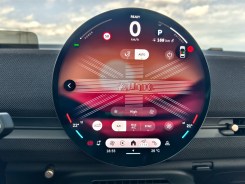
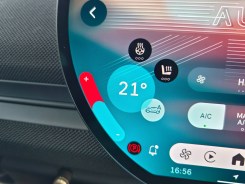
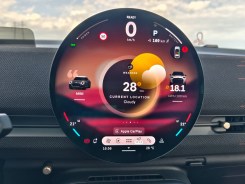
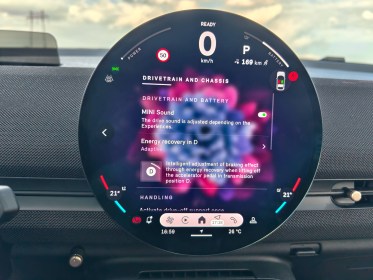
Mini offers extensive visual customization depending on the selected Experience. Some settings are purely in terms of design, while others alter the driving characteristics.
Unfortunately, the ambient lighting is tied to these Experiences, meaning you occasionally have to choose between the driving setup you want and the cabin atmosphere you prefer.
On the positive side, each Experience receives its own graphics, sounds and visual theme, giving them noticeably more personality than the usual drive mode selector.


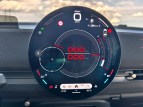


Unique touches add to the atmosphere in every Experience.
Mini and BMW put considerable effort into compensating for the lack of engine noise. The artificial sounds are among the more pleasant examples currently available, remaining calm during normal driving and becoming more energetic when the Boost function is activated. There is even a simulated gearshift burble for a little extra theatre.
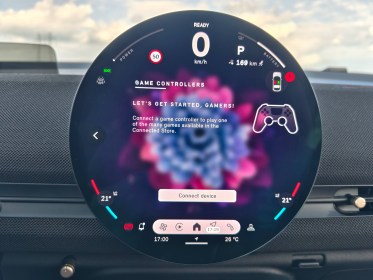
Our test car did not have the gaming hub installed, which made finding a "connect console controller" option buried in the menus rather amusing.
Cabin noise
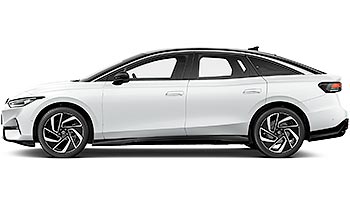
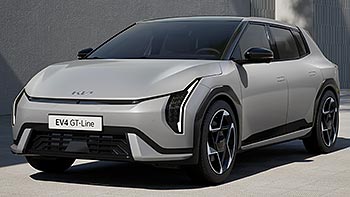
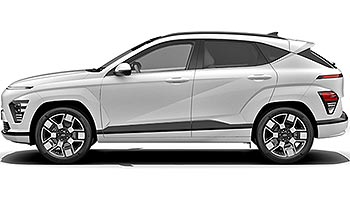
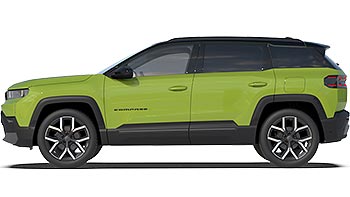
The cabin of the Mini Aceman JCW E isn’t particularly well insulated and its among the louder EVs out there at most speeds. However, the good built quality makes up for the subjective feeling of serenity. The tires bring in most of the noise at lower speeds, while the wind enters more noticeably when you speed up on the highway.
Cabin noise test results
- 37 mph
- 56 mph
- 81 mph
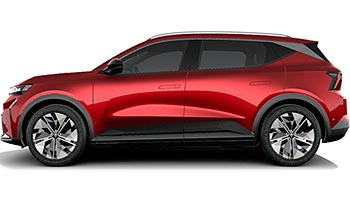
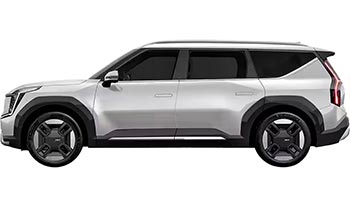
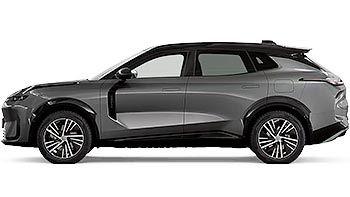
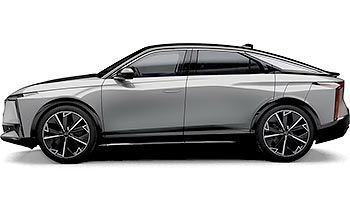
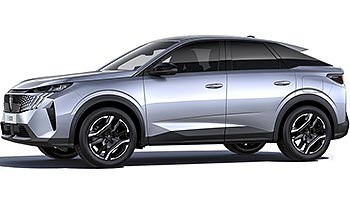
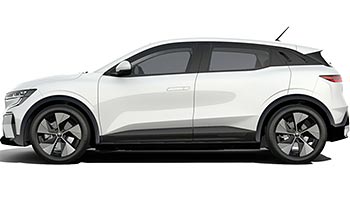 Renault Megane E-Tech EV60
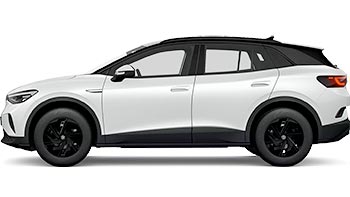
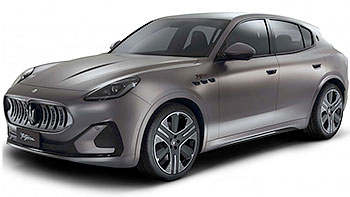
 Hyundai Kona Electric 65.4kWh
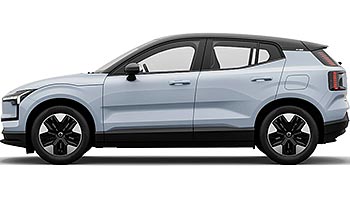
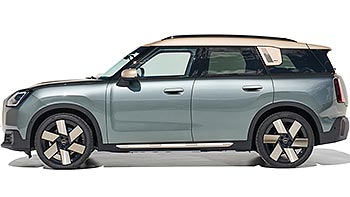 Mini Countryman SE ALL4
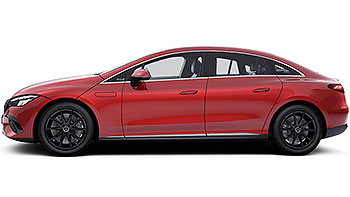
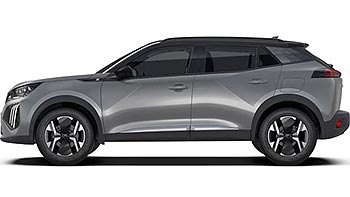
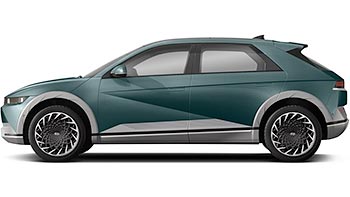
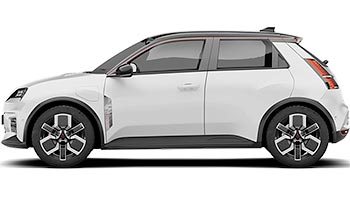
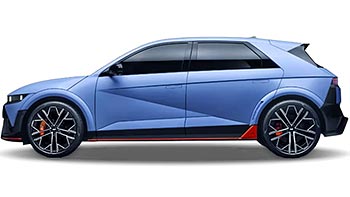
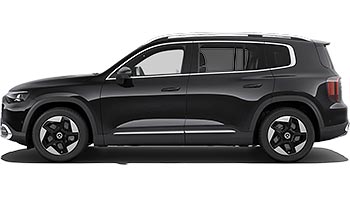
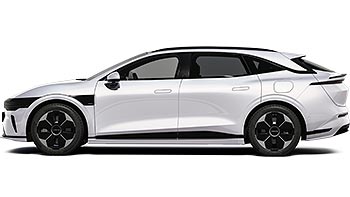
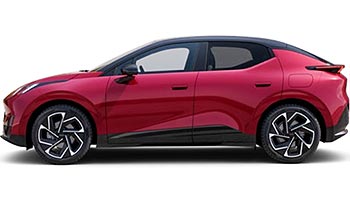 Lynk & Co 02
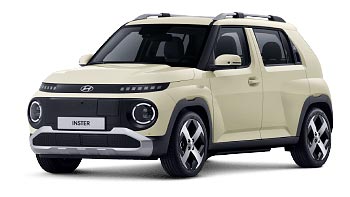
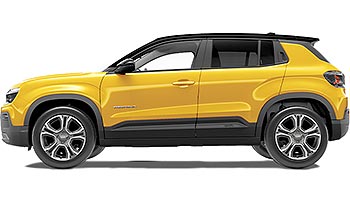 Jeep Avenger
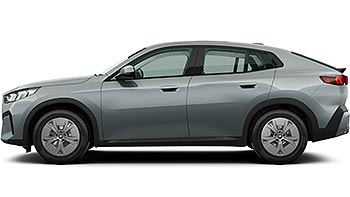 Mini Aceman JCW E
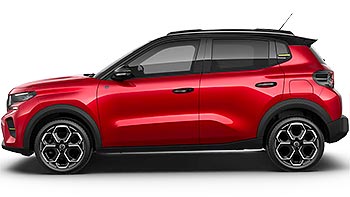
 Alfa Romeo Junior Elettrica Veloce
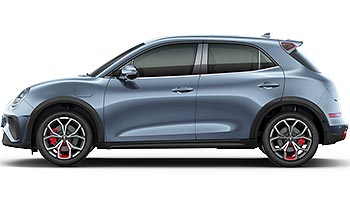
Sound level tests are carried out with a specialized sound level meter placed in the car's cupholders. The test is conducted with air conditioning and radio off and while maintaining a steady speed.
Acceleration and braking
Despite being the performance version of the Mini Aceman, the JCW E remains a FWD crossover with a little over 250 hp - which doesn't really sound groundbreaking these days. Yet, the Aceman JCW E manages to beat its manufacturer stated time and sprint from 0 to 62 mph in 6.1 seconds. This isn't slow and makes the Aceman perfect for daily pulls from stoplights, as long as there are no serious AWD rivals against you.
0-62 mph acceleration test results
Mini Countryman SE ALL4
Alfa Romeo Junior Elettrica Veloce
Lynk & Co 02
Mini Aceman JCW E
Renault Megane E-Tech EV60
Hyundai Kona Electric 65.4kWh
Jeep Avenger
Braking in recent BMW and Mini models has been notoriously subpar. However, the Aceman flips that narrative and brakes confidently in just 35 m (104'10"). This is a wonderful thing for your safety, especially given that we repeated the test with equal scores four times.
Braking distance test results
Alfa Romeo Junior Elettrica Veloce
Mini Aceman JCW E
Jeep Avenger
Lynk & Co 02
Renault Megane E-Tech EV60
Hyundai Kona Electric 65.4kWh
Mini Countryman SE ALL4
Acceleration and deceleration are measured with a RaceBox device inside the car. Testing is done with a single person inside the car, with air conditioning and traction control off.
Consumption
The Aceman JCW E is a genuinely efficient vehicle and ranks among the most efficient SUVs and crossovers we have ever tested. Unfortunately, efficiency alone only tells part of the story. With just 49.2 kWh of usable battery capacity, the Aceman cannot translate that strong efficiency into class leading range. It is more than capable of handling daily commuting and urban driving, but longer journeys require considerably more planning. Check out our detailed thoughts on the Aceman’s efficiency in our dedicated range test article!
Range test results
- 37 mph
- 56 mph
- 81 mph
Hyundai Kona Electric 65.4kWh
Renault Megane E-Tech EV60
Mini Countryman SE ALL4
Lynk & Co 02
Jeep Avenger
Mini Aceman JCW E
Alfa Romeo Junior Elettrica Veloce
We measure consumption by driving at constant speeds on an identical test route during the day. Testing is conducted with air conditioning, all safety systems and radio on. The data comes from the vehicle's board computer. Specific testing parameters such as ambient temperature are mentioned in the text on a case by case basis.
You can also use the widget below to find out the Mini John Cooper Works Aceman E's range in every combination of speed and temperature you might need. We've used our real world tests and a complex model to provide an estimate that should be as close to the actual performance as possible.
Charging speed
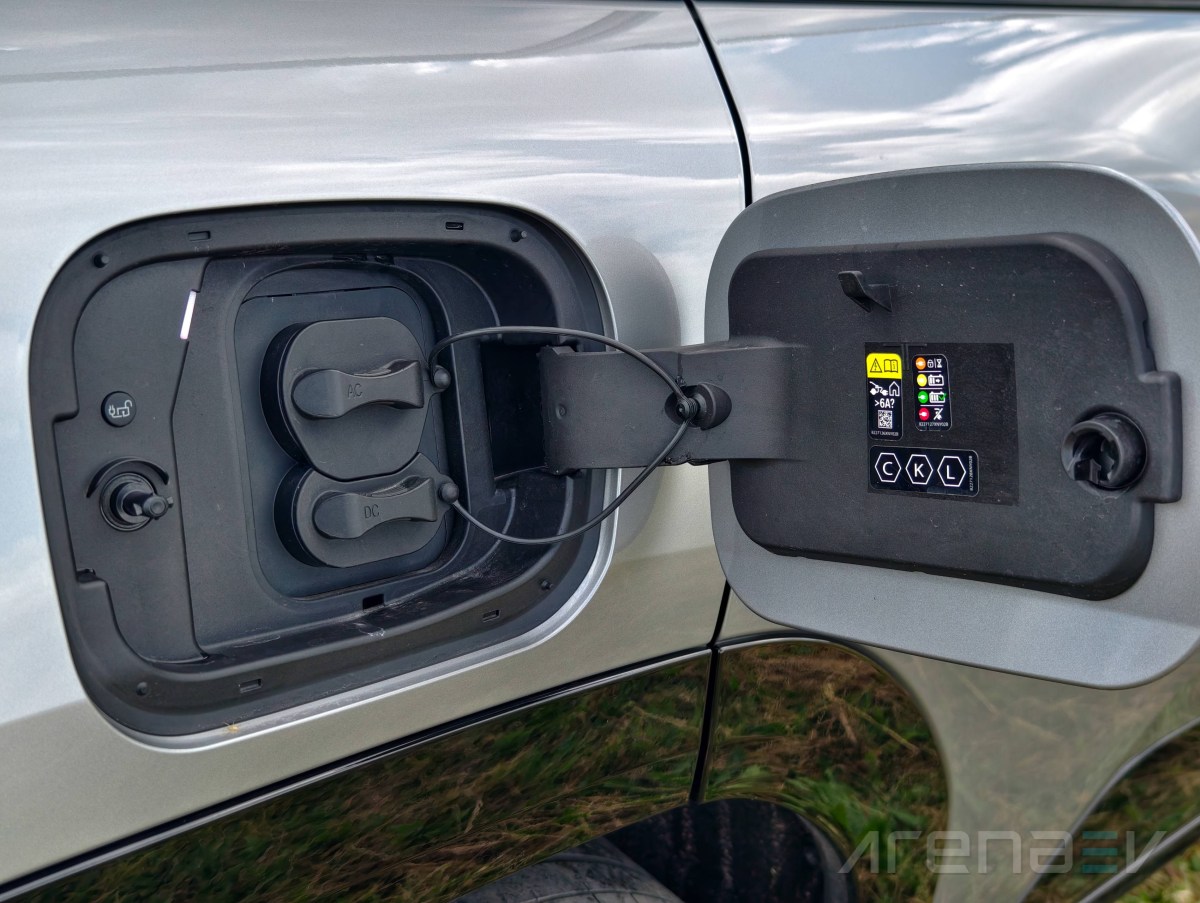
With a peak charging rate of just 95 kW, the Mini Aceman JCW E is far from a record-setter when it comes to charging. Its relatively small battery needs a little over half an hour to charge from 10 to 80%, which isn’t terrible in isolation. The problem is that many rivals can now replenish significantly larger batteries in half the time. For such a new model, the Aceman's charging performance is already a generation behind.
Competition
In the crowded compact crossover segment, the Mini Aceman struggles to stand out on paper. Its biggest advantage is actually the same formula that made the original Mini successful more than half a century ago: a tiny exterior footprint combined with a surprisingly spacious cabin and usable trunk.
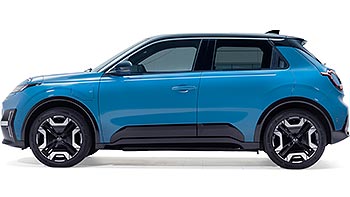
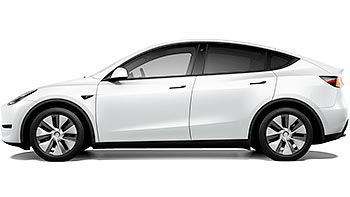
Our first rival is the Alfo Romeo Junior Elettrica. The focus on both vehicles is extravagant styling and strong FWD performance. The Alfa is nowhere near as spacious or practical but it offers much better material quality and the optional bucket seats that are an unrivaled proposition in the segment. The Alfa offers the best driving experience among rivals but the infotainment is as limited as the Mini's.
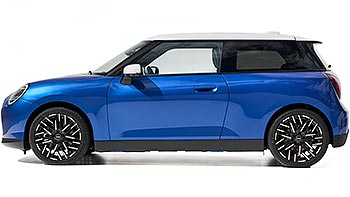
The second rival comes from within Mini’s own lineup. The Countryman SE ALL4 is only slightly larger, yet brings all wheel drive, a more comfortable suspension setup and an overall more polished driving experience. Depending on the market and chosen options, the two can also end up surprisingly close in price. That makes the Countryman difficult to ignore, especially for buyers who do not absolutely need the Aceman’s smaller dimensions.
Alfa Romeo Junior Elettrica 240 Veloce 2024 - • Mini Countryman SE ALL4 2023 -
Verdict
The Mini Aceman JCW E gets more right than its specification sheet initially suggests. Its tiny footprint makes it genuinely useful in the city, yet there is enough room inside for four adults and the trunk is respectable considering the dimensions. Efficiency is excellent, the suspension strikes a great balance between firmness and comfort, and the one-pedal braking calibration couldn't be better. Even the 258 hp drivetrain feels punchy enough for everyday use.
Unfortunately, the Aceman also feels like a car where the design team slightly lost its direction. The steering lacks the involvement expected from a Mini, the infotainment is frustratingly slow, interior materials fail to justify the premium positioning and the 49.2 kWh usable battery seriously limits long-distance travel practicality. Charging at just 95 kW hardly helps matters either.
And this is not us fighting back because the Mini Aceman JCW E physically bruised our reviewer. It just isn't the most rational choice in the segment unless you desperately need the short footprint. Loyalists are better off splurging for the larger but much more refined Countryman, while everybody else can look to other manufacturers for a better overall package, albeit lacking the innate Mini charisma.
Pros
- Smoothest one-pedal drive experience in the industry.
- Spacious inside for the small exterior.
- Distinct styling with multiple customization options.
- Great efficiency.
- Quicker than advertised.
Cons
- Insanely cheap-feeling interior.
- Laggy infotainment.
- No driving feedback.
- Long charging times despite the small battery.
- CarPlay integration doesn’t fit with the round center screen.
- No AWD version even as an option.
- The front arm rest is taken from an office chair.
Related




Reader comments
Nothing yet. Be the first to comment.