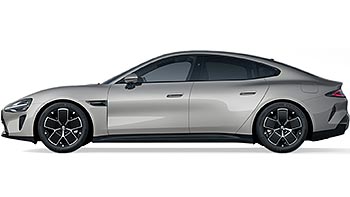
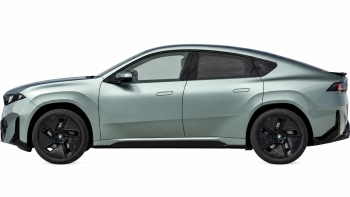
2027 Xiaomi SU7 Ultra gets more wing, grip and madness
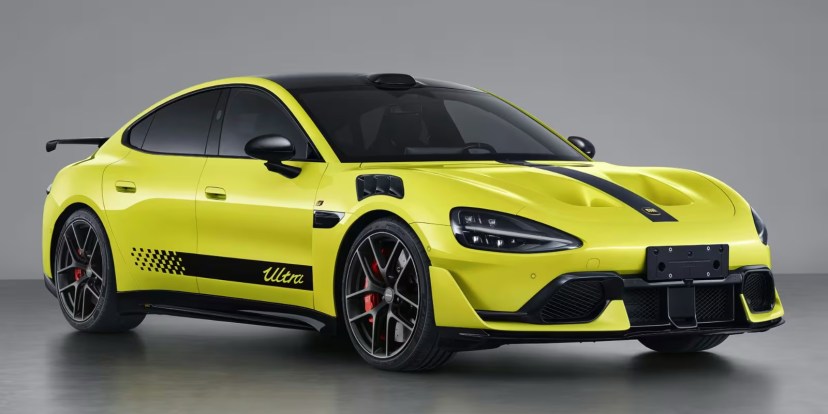
I used to think my smartphone was fast because it could load a weather app before the rain soaked me right through. But times have changed, and the people who made that phone are building a four-door hyper-saloon capable of turning my face inside out. And since this is Xiaomi we are talking about - they can’t help themselves and leave the good thing alone. They need to tinker with things.
Xiaomi filed paperwork with China's Ministry of Industry and Information Technology (MIIT) for the updated 2027 SU7 Ultra. If you thought their first attempt at the Ultra was a bit of a laugh, this new version is pure madness. It’s got more wing, more grip, and the looks that will make it impossible for it to be mistaken for an average sedan. The “sleeper” game is over.
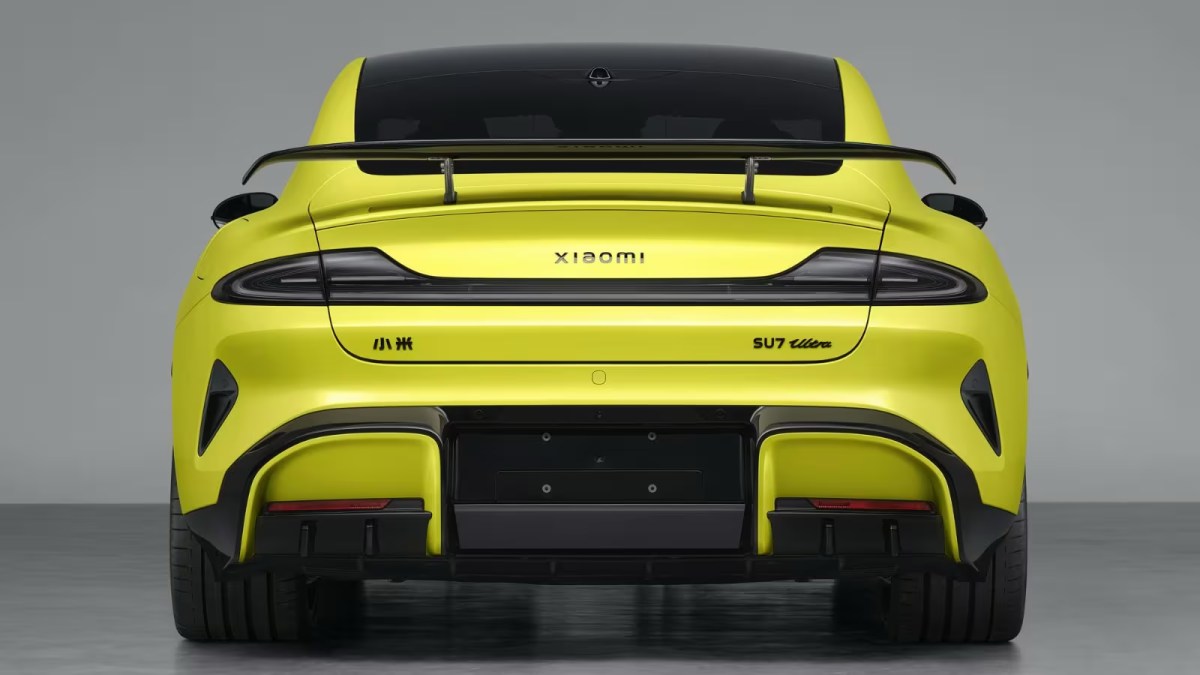
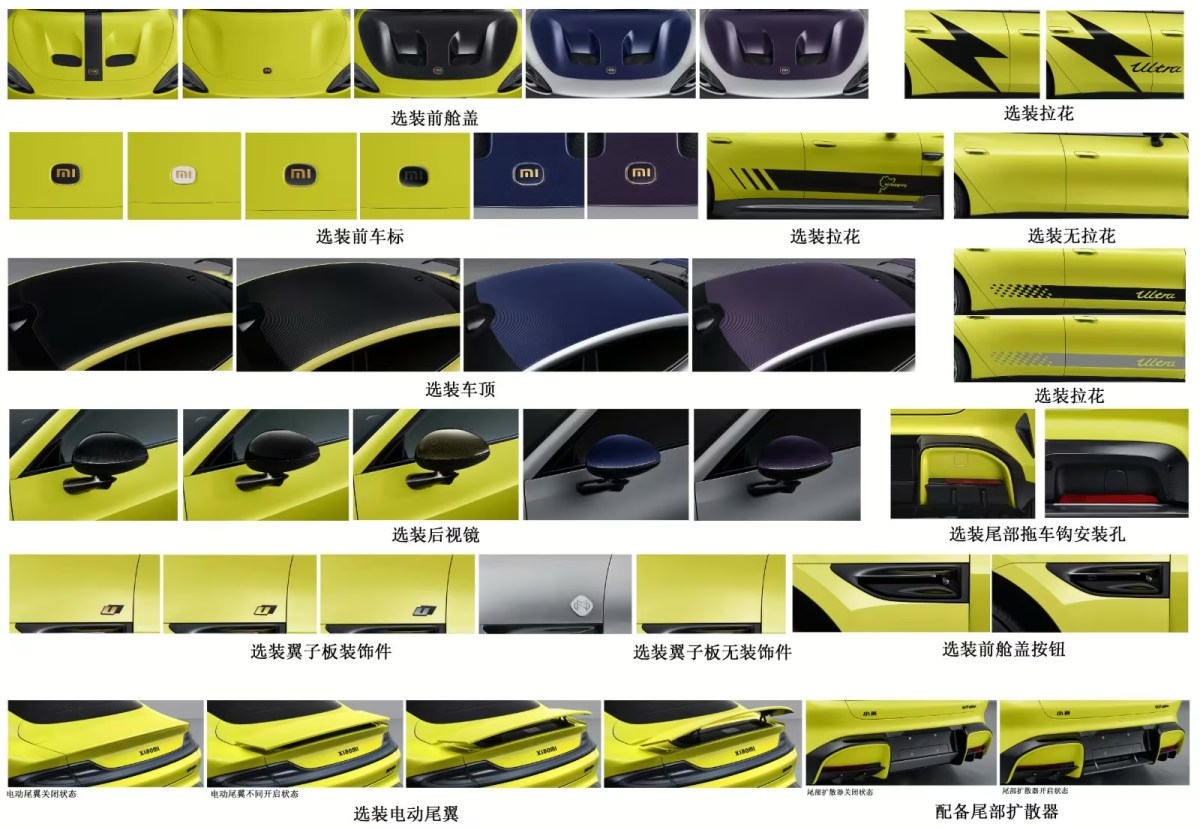
The wheelbase stays the same at 118 inches, providing plenty of room for all those batteries and your terrified passengers. But the bodywork is shape-shifting in a dramatic fashion. The MIIT filings show varying overall lengths of 200.2 inches, 202.2 inches, and a rather colossal 209.3 inches. Why the differences? Wings, my friends. Glorious aerodynamic wings. The lengths correspond directly to your choice of rear aero: a standard retractable spoiler for blending in, a large fixed wing for track days, or the extra-large goose-neck wing that looks like it belongs on a Le Mans prototype.
The girth of the thing has changed as well. Width comes in at either 77.6 inches or a broad-shouldered 79.3 inches, while the roofline sits low at 57.7 inches or 59.4 inches. Unfortunately, there is some absolute nonsense floating around the internet about Xiaomi making structural chassis changes to achieve a wider front track. Rubbish. You do not redesign a car's skeletal structure for a mid-cycle update - that would cost an absolute fortune and delay production.
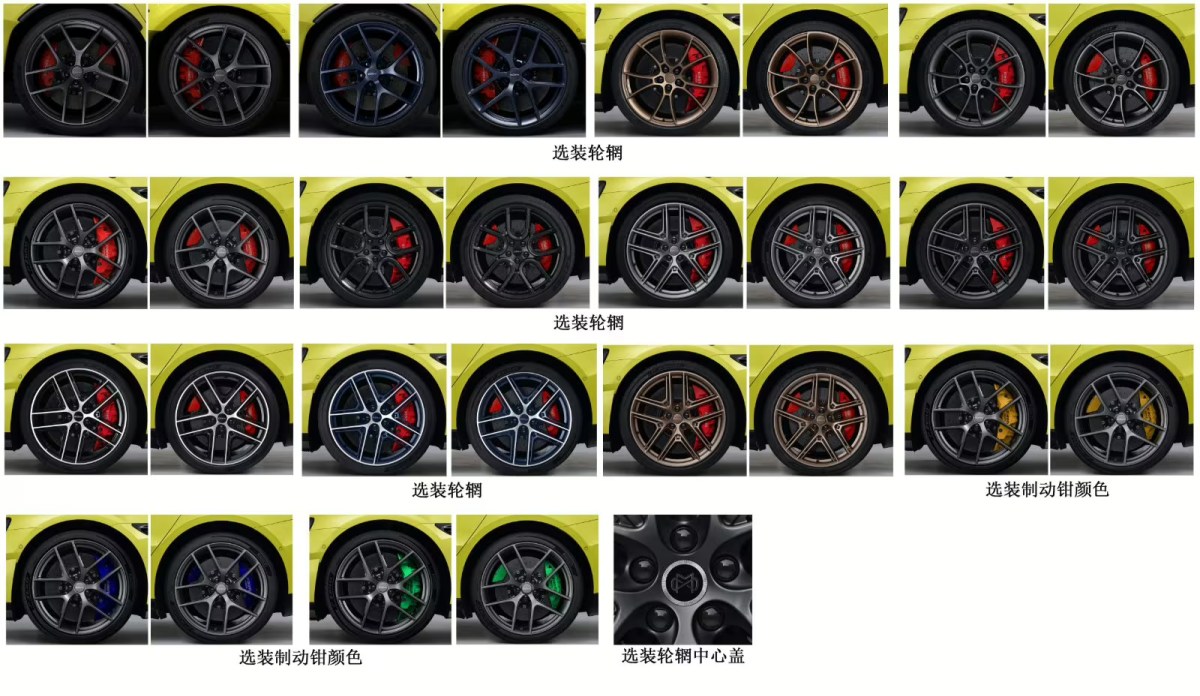
The front track has indeed grown from 65.8 inches to either 66.7 inches or 67.2 inches, but this isn't a new chassis. It’s cleverly achieved through aggressive wheel offset combined with a wider wheel width. They’ve binned the old front rubber for 295 mm tires on beautiful 21-inch rims. You can now pair those 295s with steamroller 325 mm tires at the rear. Why do this? To stop the nose washing out when you throw two-and-a-half tons into a fast sweeper. It’s all about high-speed cornering stability.
And trust me, you need that stability - the powertrain on this beast is a weapon of mass propulsion. It keeps the daft tri-motor all-wheel-drive setup. A single front motor produces 288 kW (386 horsepower) - that alone is a proper hot hatch output. Then they added two rear motors kicking out 425 kW each. Add it all up, and you have a combined maximum output of 1,138 kW. That is 1,526 horsepower and 1,305 lb-ft of torque. It’s enough to make the traction control work overtime trying to keep the tires on the rims.
The performance figures haven’t changed from the previous model - they still read like a science fiction novel. Zero to 62 mph takes 1.98 seconds, and the top speed is a dizzying 198 mph. Feeding these thirsty, power-mad motors is a 93.7 kWh ternary lithium-ion battery from CATL, specifically their Qilin 2.0 pack. The cells are made in Jiangsu and assembled into the pack in Henan. It’s brilliant tech, but it brings us to the great enemy of cornering speed: weight.
As I noted in my piece last week, bolting infinite horsepower to an electric vehicle is the easy bit. The hard bit is the braking zone. You arrive at a corner, hit the middle pedal, and realize you are trying to change the direction of a small house. The new 2027 SU7 Ultra weighs in at 5,236 lb for the stripped-down 2-seat track version, and 5,247 lb for the 5-seat model. When you have that much mass traveling at over 186 mph, aerodynamics become a matter of life and death.
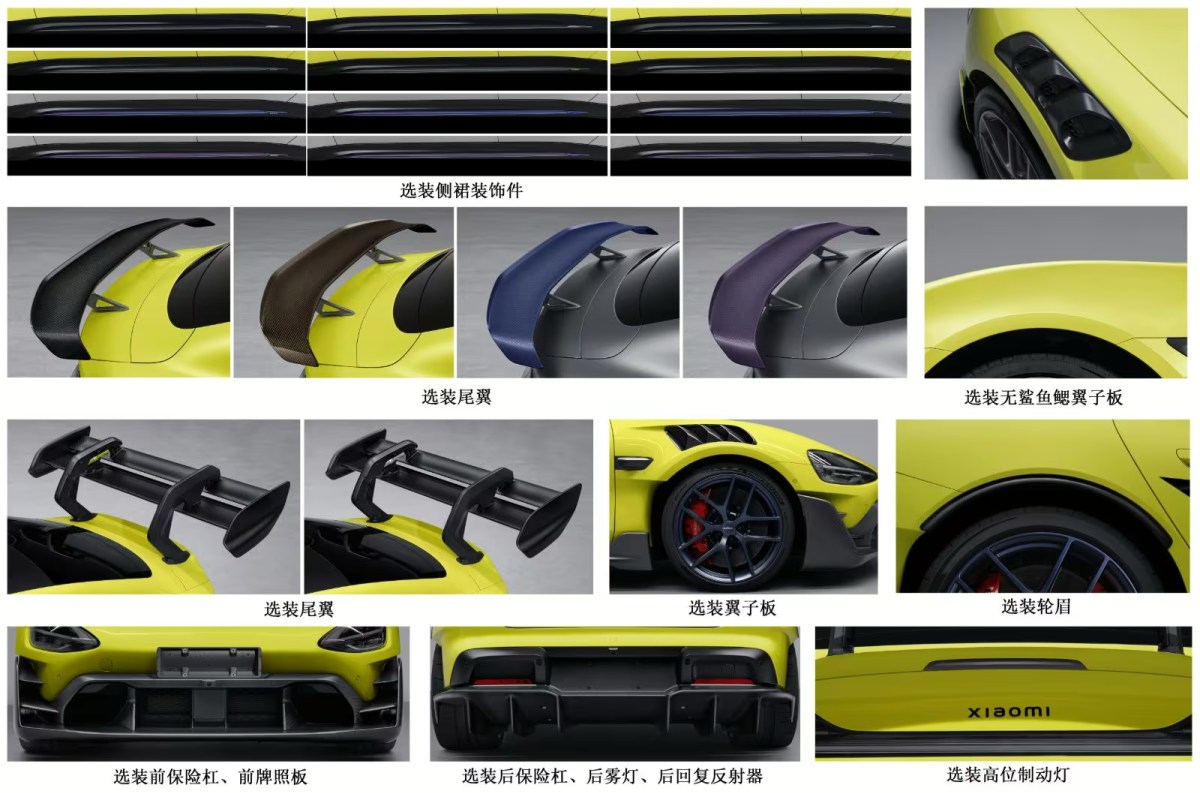
That brings me to the aero package. When I saw this beast - which I’ve lovingly dubbed the 'SU7 Xtreme' - testing hard at the Nürburgring last week, it was wearing a bare-knuckle kit. The MIIT filing proves it’s going into full production. Along with that massive goose-neck wing hanging in clean air, the front bumper gets a deep lower splitter, and there are louvers cut into the front fenders. These help with getting rid of high-pressure air trapped in wheel wells, which creates terrifying front-end lift. Venting that air out pushes the nose back into the road, giving those wide front tires more grip.
I have no doubt that this entire refresh is aimed at Stuttgart. Porsche and Xiaomi are locked in a brawl over the Nürburgring lap record. Back in June last year, a standard SU7 Ultra lapped the 12.9 miles circuit in 7:04.957. That put the smartphone maker ahead of the Porsche Taycan Turbo GT. Porsche took that personally, returning with a Manthey-tuned Taycan to set a 6:55.553 record. On a fast track, Xiaomi used its 548-horsepower advantage to blast out of corners, but Porsche’s superior agility gained time in the technical sections. With the new wider stance, massive sticky rubber, and downforce-heavy aero, Xiaomi is fixing its Achilles heel. They want that sub-seven-minute crown back, and they want it badly.
Five years ago, the European elite laughed at Chinese automotive efforts. Back then, they were mostly known for tragic styling and questionable safety. Oh, how times have changed. Today, brands like Xiaomi, BYD, and XPeng are poaching veteran European chassis engineers and renting out the world’s most notorious racetracks for months at a time. The learning curve has been pretty much vertical.
This news wouldn't be complete without the best bit - the price. The bit that will make European buyers angry. In China, the standard SU7 Ultra starts at RMB 529,900. That is roughly $73,000. The hardcore 2-seat Nürburgring edition sits at RMB 814,900 - about $112,000. Now look at the competition. A Porsche Taycan Turbo GT starts at $232,000 before you even spend another $115,000 on the Manthey track upgrades. You’re getting hypercar speeds for the price of a half-decent German sedan. It is an absolute bargain, pure and simple.
Of course, Xiaomi is expanding its empire globally. They are taking preorders in the UAE right now for the equivalent of $102,355, with deliveries starting soon. They are setting up shop in Europe and testing in Sweden, Spain, and Italy, aiming for a late 2027 German launch. Sure, they will get hit with 45.3% EU import tariffs, but even with the tax penalty, this car will undercut its rivals on price and will beat them on performance. It is a brilliant (if a bit silly) time to be a car enthusiast. A tech brand has built a 1,526-horsepower family car that looks like a GT3 racer, goes like a missile, and costs as much as a set of Bugatti wheels and tires.
Related



Reader comments
Nothing yet. Be the first to comment.