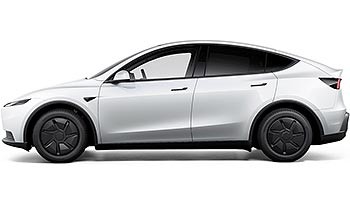
Dongfeng targets late 2026 for mass production of long-range solid-state batteries
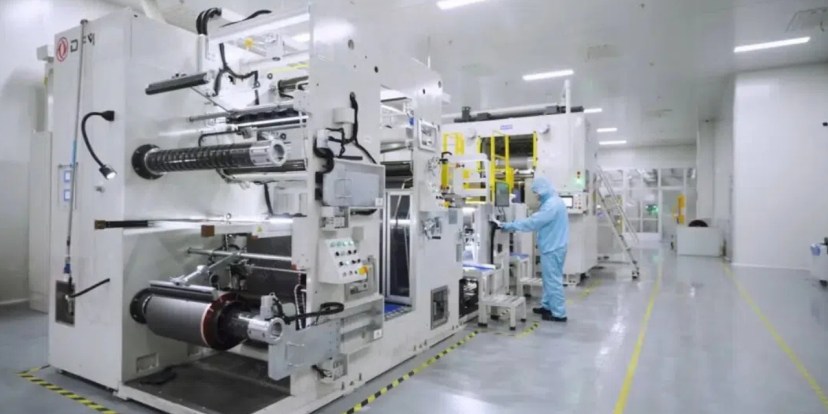
A regional government newspaper in Hubei reported that Dongfeng Motor plans to start the mass production and vehicle integration of its new solid-state battery technology in the second half of 2026. The new battery design promises to push the driving range of next-generation vehicles past 620 miles on a single charge. If the company hits this target, the rollout has the potential to eliminate the driving range anxiety that prevents many consumers from buying electric cars.
Conventional lithium-ion batteries use liquid electrolytes to transfer energy within the cells, but these mixtures can catch fire or explode during vehicle collisions or when the battery overheats. Dongfeng replaces this flammable liquid with a stable solid electrolyte material instead, reducing the risk of sudden combustion and explosions, and making electric cars safer.
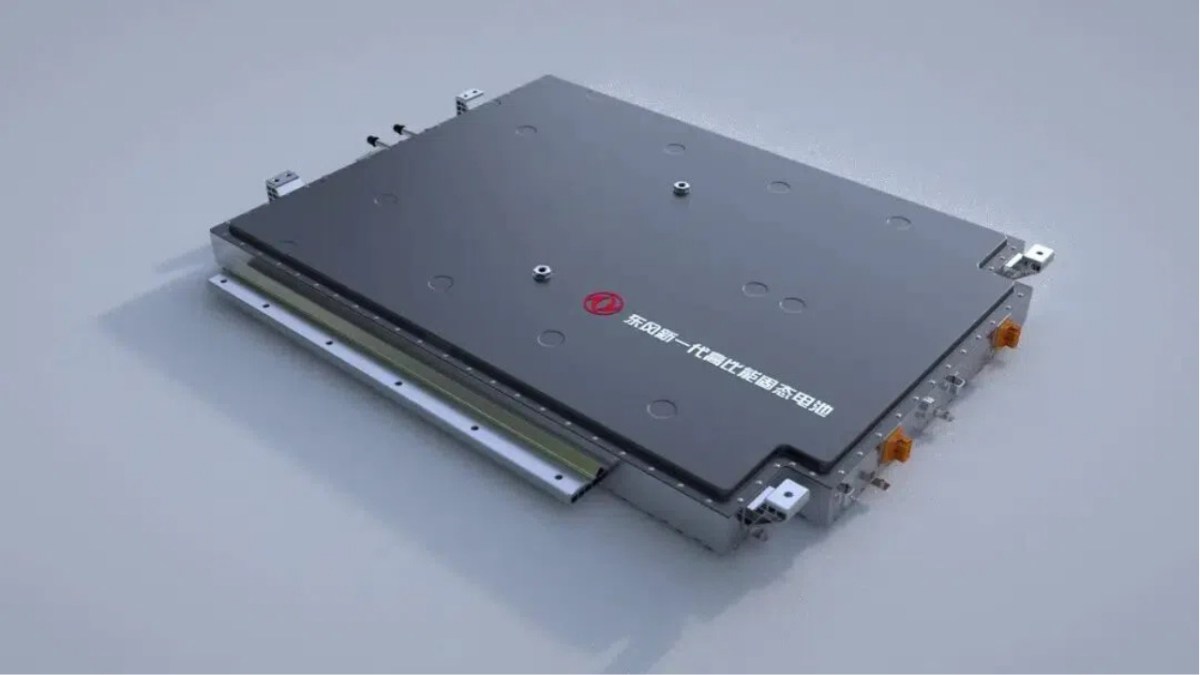
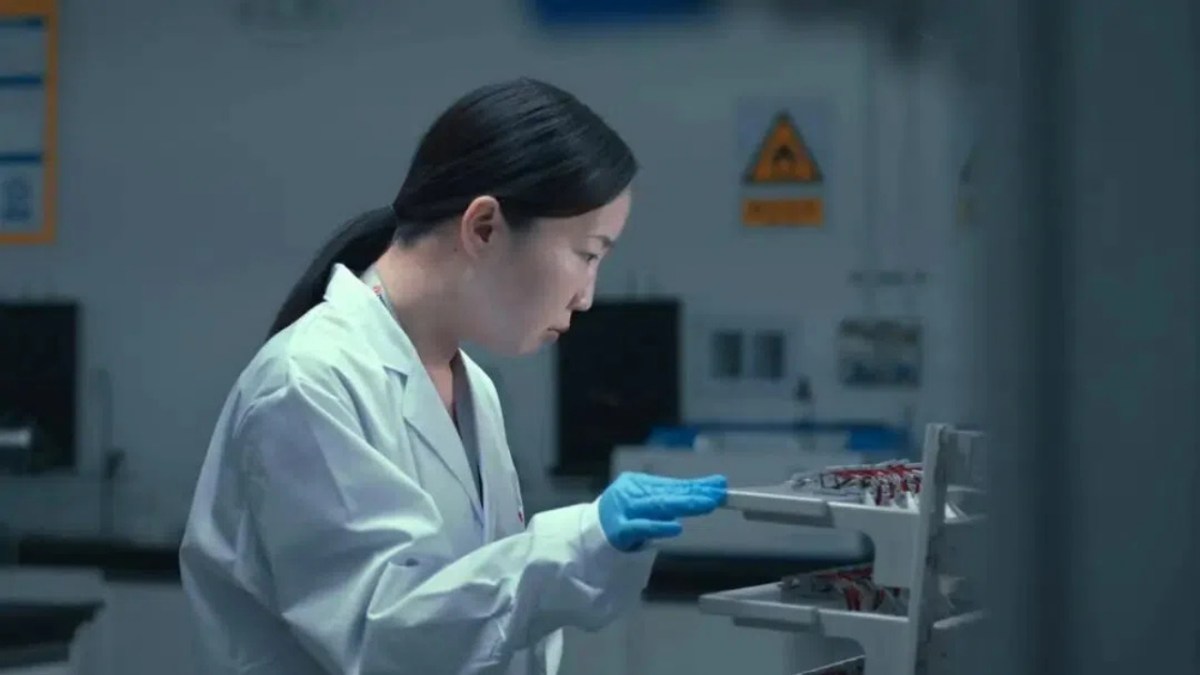
The manufacturer put the new batteries through rigorous safety testing before preparing them for the production line. During physical compression tests, the battery cells stayed fully operational even after heavy machinery compressed and deformed their shape by 50%. In separate thermal endurance trials, the battery components survived direct heat exposure at 338°F, showing absolutely no signs of smoke or fire.
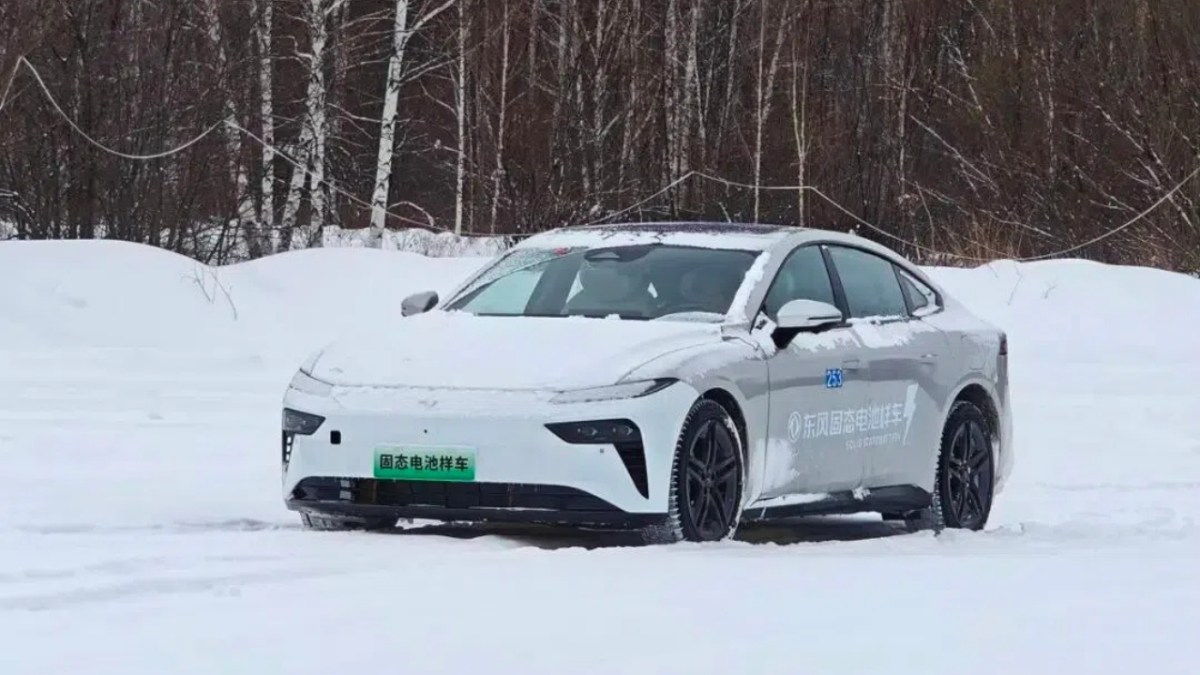
Winter weather typically hurts the performance of modern EVs because freezing temperatures cause severe drops in battery capacity. Dongfeng proved that its battery packs perform well in extreme cold earlier this year. Despite ambient temperatures dropping down to -22°F, the battery successfully retained more than 74% of its electrical charge.
Weight reduction provides another major advantage for this new technology. The new battery pack is roughly 30% lighter than traditional liquid-electrolyte lithium-ion counterparts. This physical difference allows automotive engineers to increase the driving range of new EVs without adding heavy, bulky components to the vehicle.
Dongfeng selected an oxide-polymer composite technical route for its manufacturing plan, the most practical choice for rapid mass-market adoption. It uses an established raw material supply chain and functions perfectly with existing factory production equipment. Zhang Wei, the head of the solid-state battery laboratory at Dongfeng's research and development institute, confirmed that the company maintains 100% self-reliance in its core technology, controlling everything from basic electrodes to full battery pack integration.
To accelerate engineering progress, Dongfeng created the Hubei Solid-State Battery Industry Technology Innovation Consortium in May 2026, connecting the car manufacturer with 18 academic and industrial institutions. Dongfeng runs a complete development base that combines laboratory testing, trial manufacturing, and active pilot lines, and the company's research team is already designing next-generation, fast-charging solid-state batteries and higher energy density alternatives, with plans to introduce these upgrades by 2027.
As one of the oldest car manufacturers in China, Dongfeng has the necessary factory capacity and financial strength to back up these major technology plans. In 2025, Dongfeng Motor achieved total sales of 2.47 million vehicles. Out of that massive total, sales of new energy vehicles reached 1.05 million units - a 21% increase year-on-year.
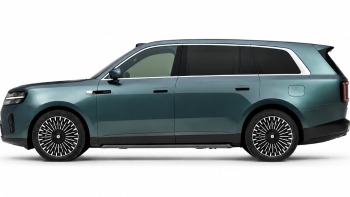
A large percentage of the sales came from the company's own vehicle brands, which include names like Voyah, Yipai, and Nammi. Annual sales for the internal brands surpassed 1.5 million units in 2025, accounting for more than 60% of Dongfeng's overall sales volume. Introducing lighter, safer batteries with an energy density of 350 Wh/kg into these popular models later this year will give Dongfeng a distinct edge as global competition hits an all-time high.
Related
Reader comments
Nothing yet. Be the first to comment.