Dutch court sides with JLR - BYD can’t sell the new Ti7 in Europe
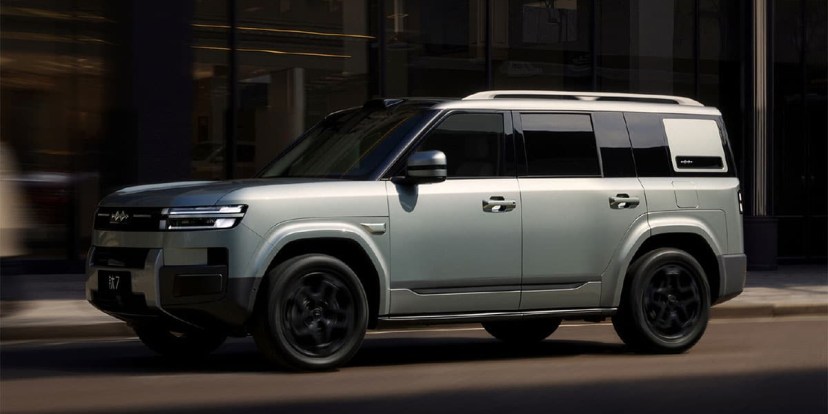
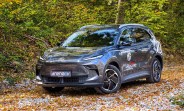
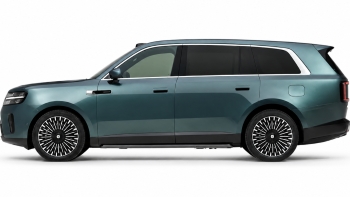
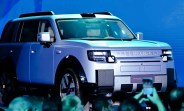
A Dutch district court handed Jaguar Land Rover a loaded weapon against China's largest automaker. On Friday, we watched the Hague slap a temporary injunction on BYD, barring it from selling, importing, or even building their Ti7 SUV anywhere within the European Union. The judge took one look at the Ti7 - known domestically as the Fang Cheng Bao Tai 7 - and decided it was simply too close to the Land Rover Defender 110 for legal comfort. The ruling carries potential penalties capping out at $12, threatening to suffocate BYD's European expansion before the first boatload of vehicles even clears customs. In August, JLR bailiffs literally raided BYD's Dutch offices without warning to seize digital files. That's how vicious this boardroom brawl has become.
It sets a new precedent for Chinese legacy exports. A European factory no longer offers any shelter if a judge decides you traced someone else's homework. The court's forensic breakdown of the two vehicles leaves very little room for BYD's lawyers to maneuver. JLR registered the Defender exterior in the EU back in 2018, locking down the very successful silhouette that shifted over 100,000 units globally last year.
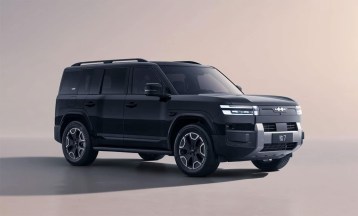
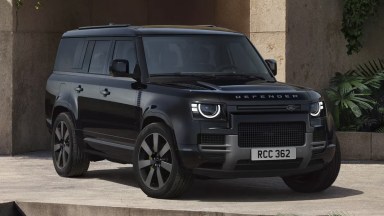
When we put the two SUVs next to each other, the similarities are hard to ignore. The Defender 110 is 197.6 inches long with a 119 inches wheelbase, standing proud at 77.4 inches tall. The Ti7 has a fractionally tighter footprint at roughly 192.5 inches long and 75.6 inches high, but it sits on exactly the same foundation. The judge flagged the nearly identical body proportions, the continuous side window profiles, the signature floating panels tucked behind the rear passenger doors, and the sharply rounded wheel arch corners. BYD argued their design was entirely independent. The court laughed them out of the room. They ruled that whatever minor differences existed were completely swallowed by the overarching visual impression.
The injunction devastates BYD's manufacturing bedrock. The ruling outlaws building the Ti7 at BYD's new facility in Szeged, Hungary. Beijing pushes its domestic champions to localize production in Eastern Europe to sidestep crippling EU import tariffs. BYD thought they'd built a fortress in Hungary to pump out plug-in hybrids and battery-electric platforms free from Brussels' tax interference. They forgot that intellectual property law doesn't care where the assembly line is. JLR proved that design rights can stop a local production plan dead in its tracks. European legacy players historically struggled to enforce these rights against Chinese rivals - not anymore.
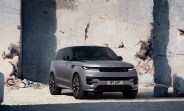
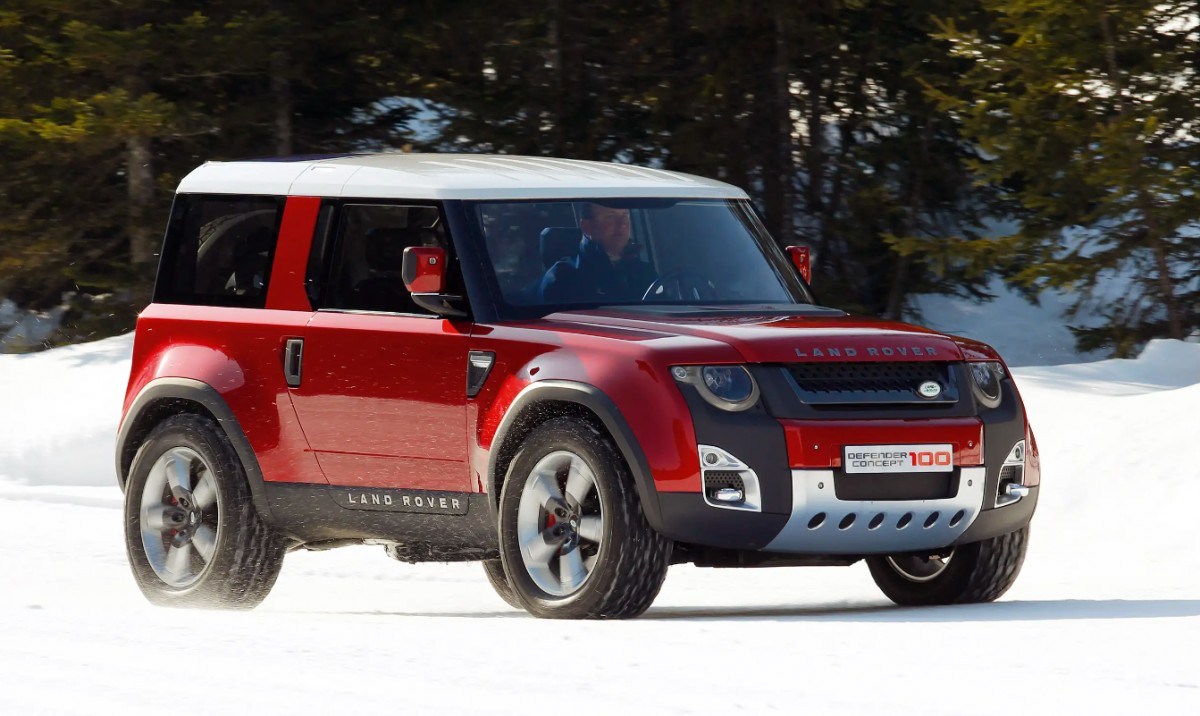 Upcoming ''baby'' Land Rover
But here's where the legal architecture gets comical. The Dutch court ruled it completely lacked jurisdiction over BYD's UK subsidiary. That means JLR just won a sweeping ban in the EU - a market where BYD technically had no concrete plans to launch the Ti7 yet - while leaving the door wide open in Jaguar Land Rover's own backyard. Pre-orders for the seven-seat Ti7 opened in Britain back in July. First deliveries are planned for this coming January. The Ti7 is going to roll off ferries in Southampton and probably park right outside JLR showrooms.
The British pricing strategy is a ruthless assault on local manufacturers. The Ti7 starts at a very aggressive $65,912. That base price undercuts the standard Defender 110 by roughly $27,000. You don't need an economics degree to see the threat level here. JLR sold 29,500 Defenders to UK retail customers in the third quarter alone, keeping the historic British marque flush with development cash.
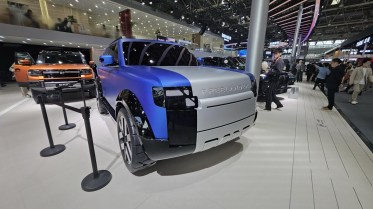
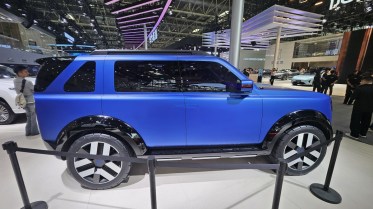
The new China-only Freelander
Introducing a plug-in hybrid rival that has the same boxy, militaristic curb appeal for the price of a family crossover is an attack on JLR's profit margins. Unless JLR launches a separate claim in British courts using UK-registered design rights, BYD is going to steal a huge chunk of its domestic market share. To make things worse, JLR has six months to file a full case on the merits. If they don't, this provisional ruling dissolves.
The courtroom victory is incredibly rare. The frustration behind it has been brewing in European design studios for two decades. The last time JLR scored a win this big was in 2019, when they crushed Jiangling Motors for building the Landwind X7 - a blatant carbon copy of the Range Rover Evoque. But that took three exhausting years. The Landwind was a cheap, domestic-only oddity that posed zero threat to global export markets. The Ti7 is a completely different animal. Operating under the Fang Cheng Bao sub-brand, it racked up 309,456 sales by the end of October. It comes in both a dual-motor plug-in hybrid and a pure battery-electric architecture. This isn't some cheap knockoff - it's a well-engineered, mass-produced global model capable of destroying legacy volume.
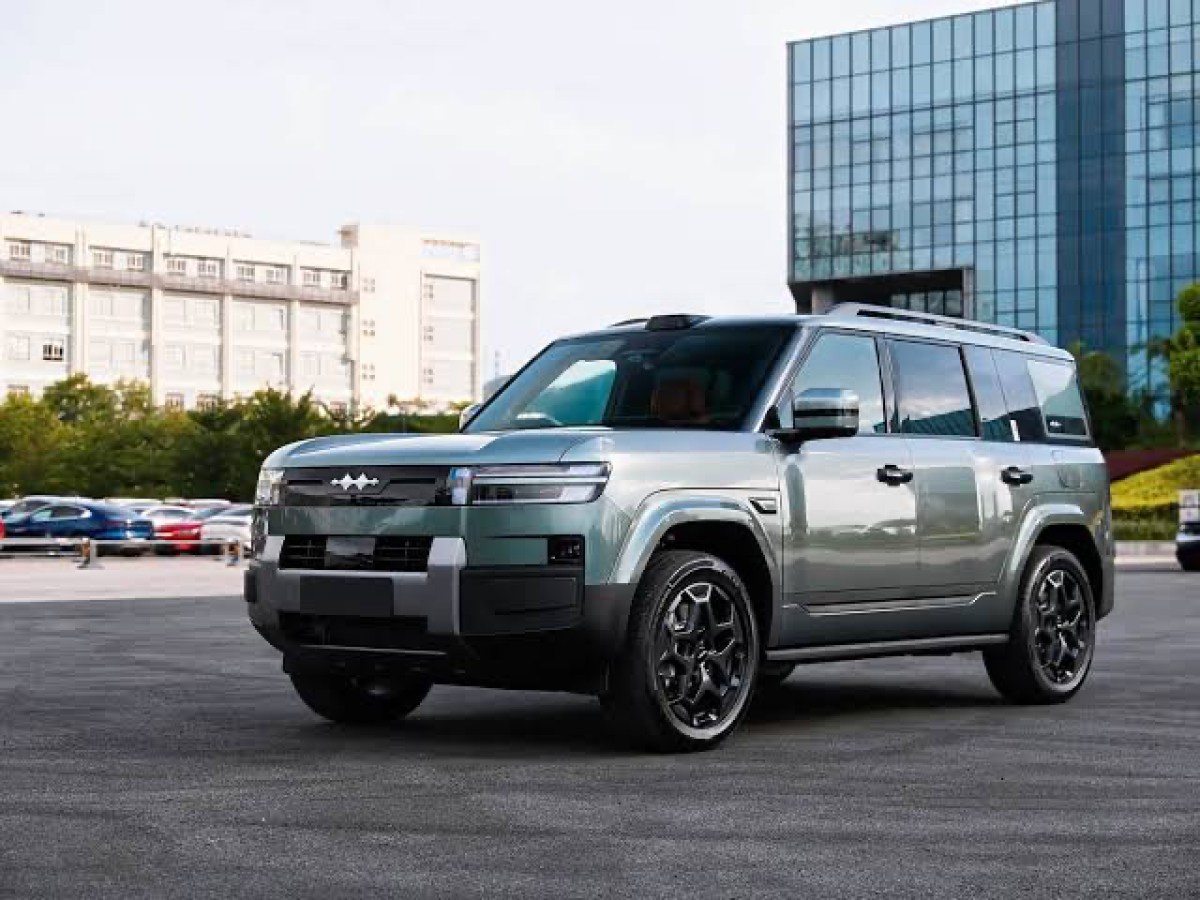 Fang Cheng Bao Tao 7 - BYD Ti7
Interestingly, the hypocrisy of JLR's broader corporate strategy makes this whole saga even messier. While JLR deploys the legal cavalry against BYD, they're happily jumping into bed with Chery in China to resurrect the dead Freelander brand. They need Chery's EV platforms to survive in the East. Yet, Chery is flooding the UK with the Jaecoo 7 - a car British buyers have dubbed the "Temu Range Rover" because it has the Evoque's floating roof, blocky grille, and vertical lighting signatures. Chery sells it for under $41,000. JLR hasn't sued them. Why? Because Jaecoo scrambles cues from several different brands rather than tracing one specific blueprint wholesale.
That razor-thin legal distinction saved Chery, but it doomed the Ti7. Chery even had to rebrand its boxy off-road iCar division to 'iCaur' for Europe to avoid Apple's lawyers, but the V23 and V27 models still proudly wear heavy Defender styling cues. Chinese automakers are learning quickly where the legal tripwires are buried in European courts, and some are adapting faster than others.
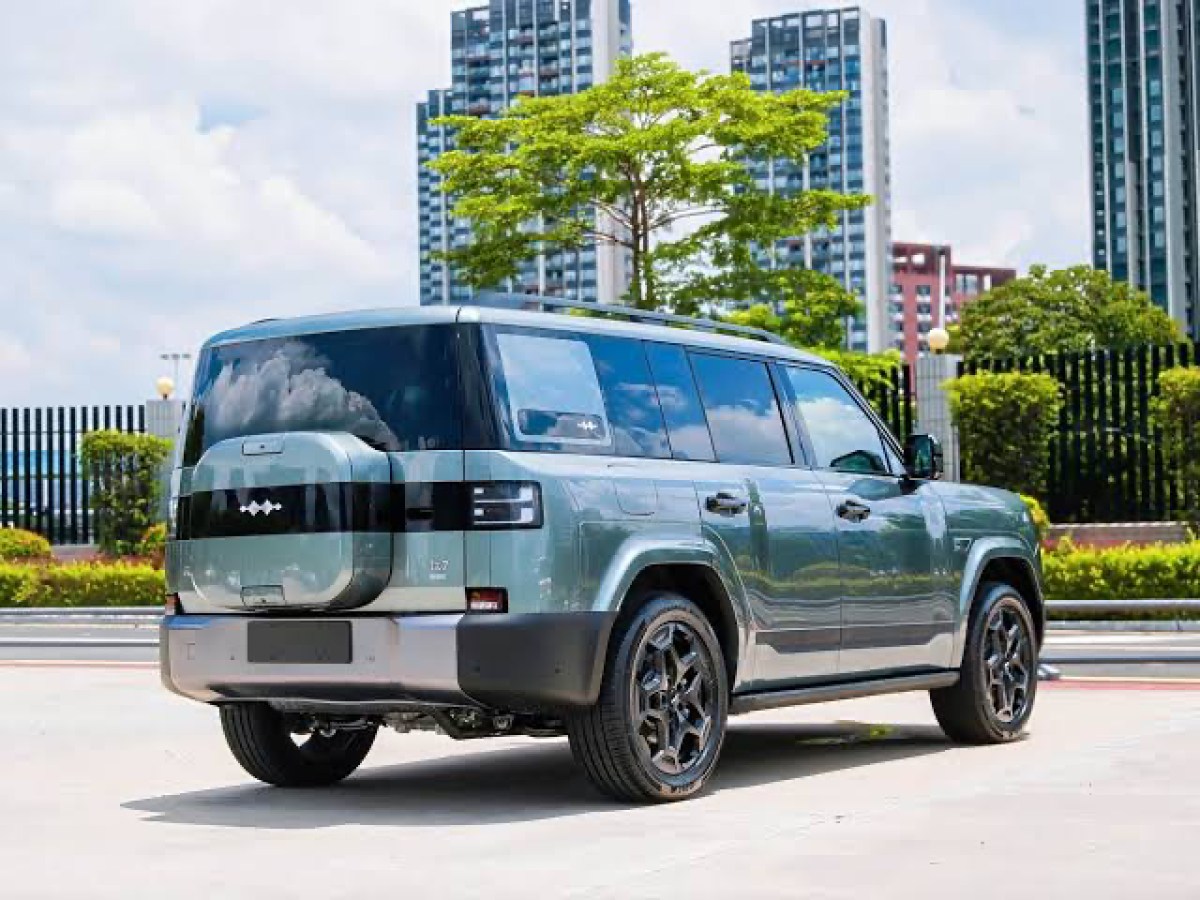 Fang Cheng Bao Tao 7 - BYD Ti7
The days of launching a Chinese market clone and hoping the Western lawyers look the other way are over. BYD is going to appeal this ruling, of course, but the damage to their European rollout schedule is already done. If they want to conquer the EU, they have to bring original work to the table. Until then, they'll have to settle for flooding the British countryside with discount Defenders. Is JLR a winner here? Or did they fall into a trap set up by BYD?
Related

Reader comments
Nothing yet. Be the first to comment.