EV sales are surging and Eastern ambitions are changing European market
There is almost a visceral sensation when you see average petrol prices at $2.45 a liter and diesel kissing $2.61 a liter - the highest Europe has seen in decades. For our American readers - that's $9.59 per gallon of diesel, which is about $3.30 more than East Coast residents pay now. Skeptics swore European drivers were literally welded to the clonk of a turbodiesel, but that dizzying price rollercoaster has done more to convert the masses to plug power than a decade of government subsidies ever could.
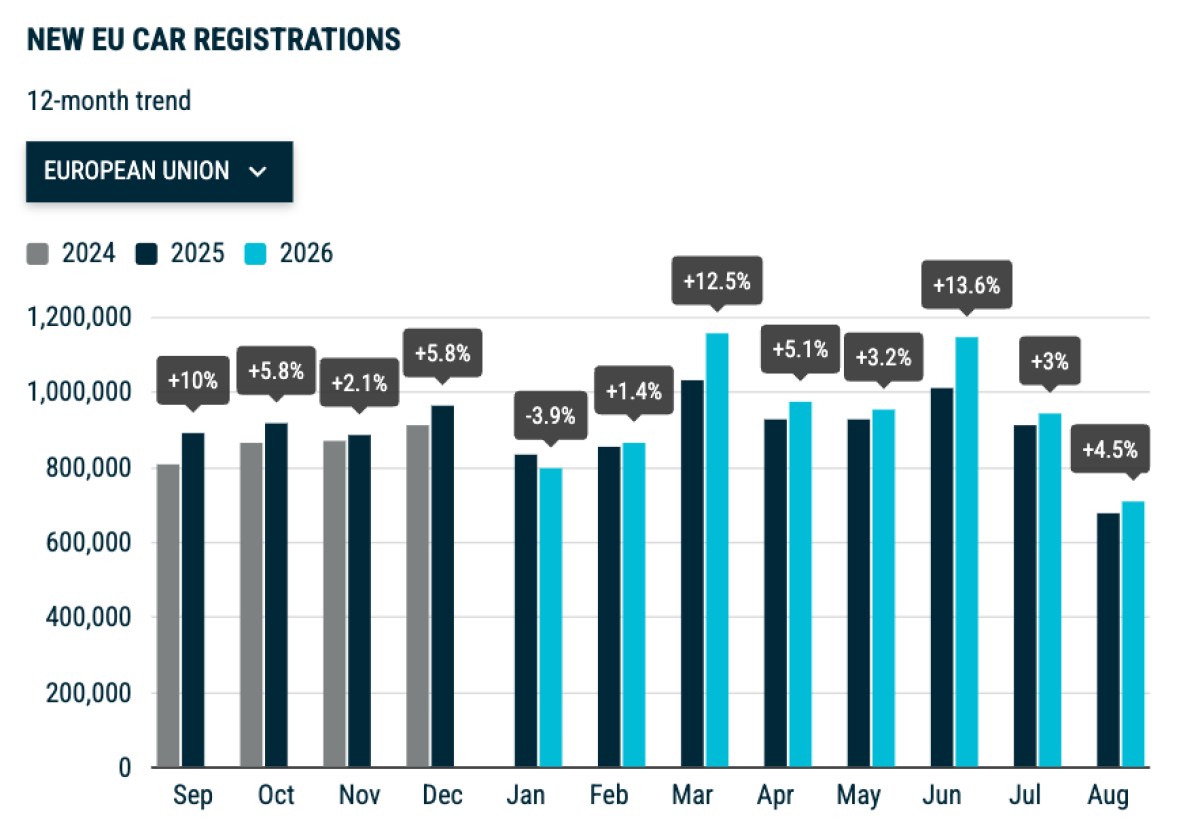
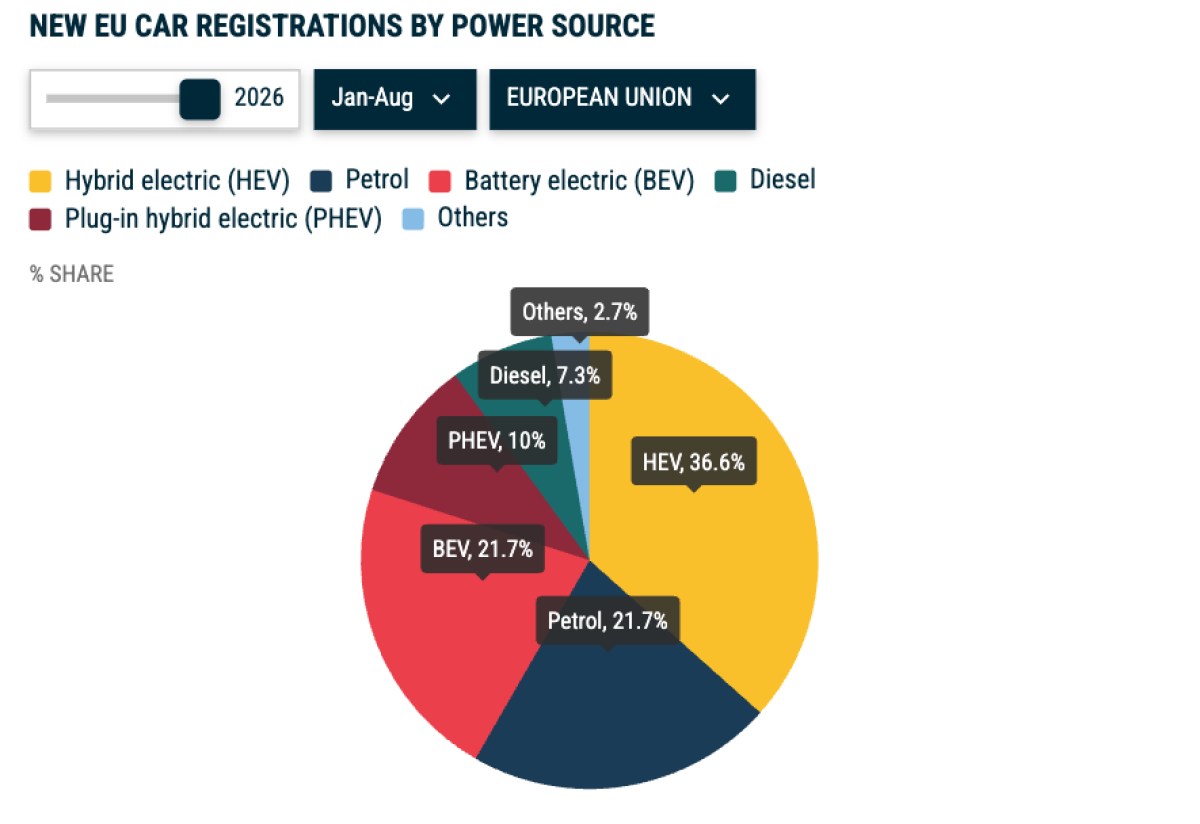
The August sales numbers from the European Automobile Manufacturers' Association (ACEA) read like a shift of epic proportions. Total European passenger car registrations nudged upward by 5.3% to hit 832,637 vehicles across the continent, but pure battery-electric vehicle (BEV) registrations across the European Union rocketed by 62.7% compared to the same month last year, capturing a 27.7% share of all new car sales. When you add plug-in hybrids at 11.1%, nearly four in every ten brand-new cars rolling out of European showrooms were powered by electricity. At the same time, the old internal combustion guard took quite a hammering, with petrol and diesel demand falling by 23.5% and 23.1% respectively.
 Source: ACEA
I still love the snarl of induction, but that instant torque changes your entire perception of daily driving. Put an electric motor into a family car and you get thrust without the clumsiness of a dual-clutch gearbox hunting through seven ratios to find third. Commuting goes from being a chore of clutch slips and turbo lag into a point-and-squirt progress, where you tap the accelerator and disappear into traffic gaps.
But the real drama of this transition is not playing out under the hood. It is happening on the balance sheets of Europe's automotive royalty. Volkswagen Group, BMW Group, and Mercedes-Benz used to dictate terms on European roads, but their grip is slipping from 41.3% down to 39.1%. Even when counting the titans like Renault and Stellantis, the traditional European automotive establishment saw its combined share shrink to 49.8%.
 Source: ACEA
The Chinese automakers have expanded their total market share to 11.3% in August, nearly doubling their footprint in a single year. These aren't crude, cobbled-together budget boxes - they are sharply designed, technology-dense cars built by companies that control their own battery supplies and software stacks. The sales figures are savage: BYD saw its European volumes leap by 129%; Chery and its stable of Jaecoo, Jetour, and Omoda skyrocketed by 201%. Though we could argue the percentages aren't telling the full story here, since last year many of these brands weren't even on the market - so there's that.
The differences across the continent reveal how fractured this transition is when infrastructure meets ambitions. In Germany, electric registrations were up by 75.1% in August (nearly 69,000 pure EVs); France registered a 112.8% leap, and Denmark expanded by 54.6%. Head north to Norway, and combustion is a relic, with fully electric cars claiming 98.7% of the entire market. But cross to southern and eastern Europe, where charging corridors thin out and wallets are leaner, and the transition is focused on plug-in hybrids and self-charging setups - a market where Chinese EREV imports are getting ready to pounce.
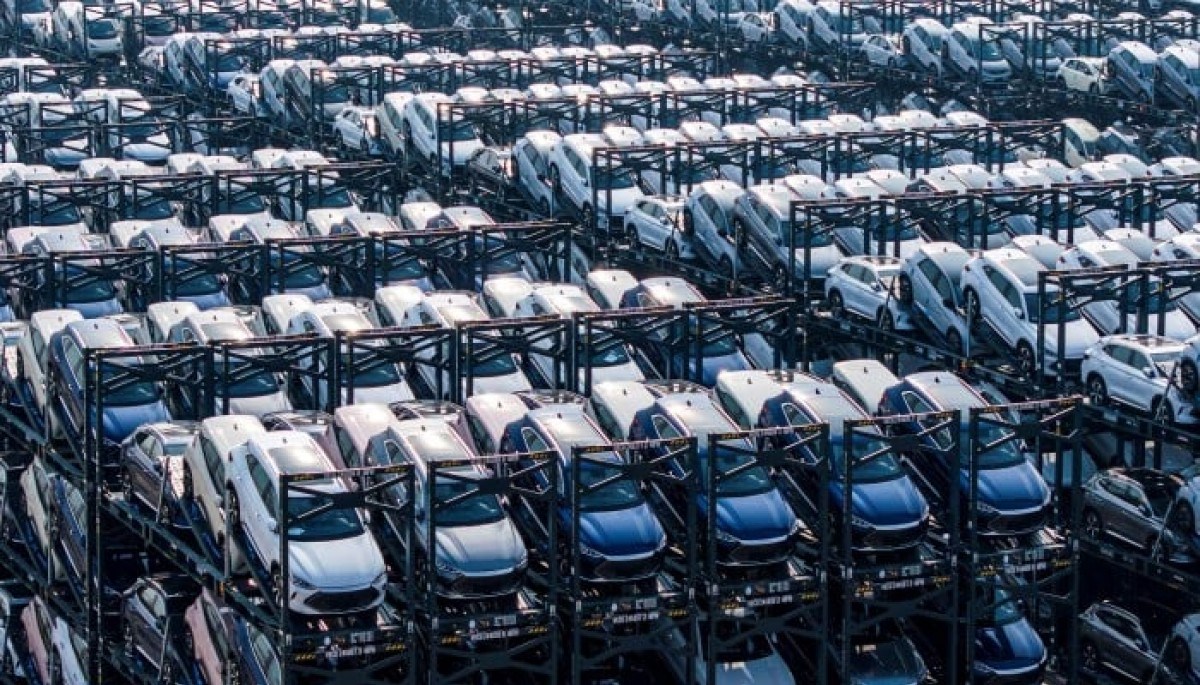
Of course, we cannot view this electric boom through rose-tinted glasses without acknowledging the artificial nature of it. The August surge was in large part supported by generous state subsidies rather than economic nirvana. If cash-strapped European governments yank the plug on incentives, that meteoric growth curve will go flat in no time. Higher wholesale electricity costs and general economic unease mean buyers are scrutinizing leasing terms down to the last penny. And that makes aggressive factory subsidies from Eastern rivals all the more devastating to domestic European producers.
Once you have tasted the velvety pull of an electric motor, going back to the compromises of an entry-level petrol engine feels like stepping backward in time. Europe's August registrations did prove that car buyers are running scared from fuel prices, but the automotive hierarchy is being completely rewritten. The old European auto industry can no longer rely on heritage badges or loyal generational buyers to keep the factory gates open. It's a cliché, but the gloves are off, the Eastern tide is here, and if European brands want to survive, they had better learn to build EVs that people want to buy before the petrolhead generation abandons them for good.
Related

Reader comments
Nothing yet. Be the first to comment.