Fiat reveals Grizzly and Grizzly Fastback
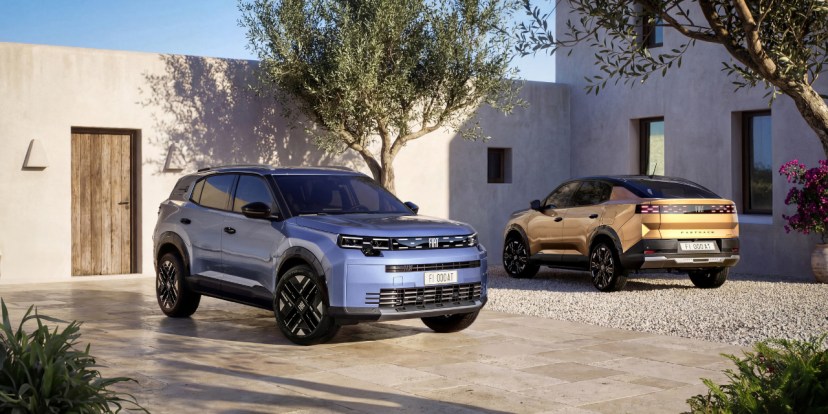
Fiat wants to grab a bigger slice of the family car market with two new entries. The Italian brand shared the first official images and details of its upcoming compact models, the Fiat Grizzly and the Fiat Grizzly Fastback. Scheduled to hit global dealerships in the second half of 2026, the new vehicles take over the top spot in the brand's portfolio. They provide a much larger and more practical alternative to the smaller Grande Panda model. By launching the new models, Fiat continues its strong push into the world of electric cars, giving buyers flexible powertrain options that include traditional combustion engines alongside zero-emission choices.
There is no mystery about which vehicle Fiat wants to challenge with this launch. The target is the Dacia Bigster, the largest Dacia ever, which recently joined the widely popular Duster. Budget-focused families are always looking for extra room without the massive price tag of a premium vehicle, and Fiat wants to win those shoppers. Interestingly, the company decided that a single model was not enough. By creating both a standard SUV and a sleeker fastback version at the same time, the company hopes to satisfy different consumer preferences without spending double the money on development.
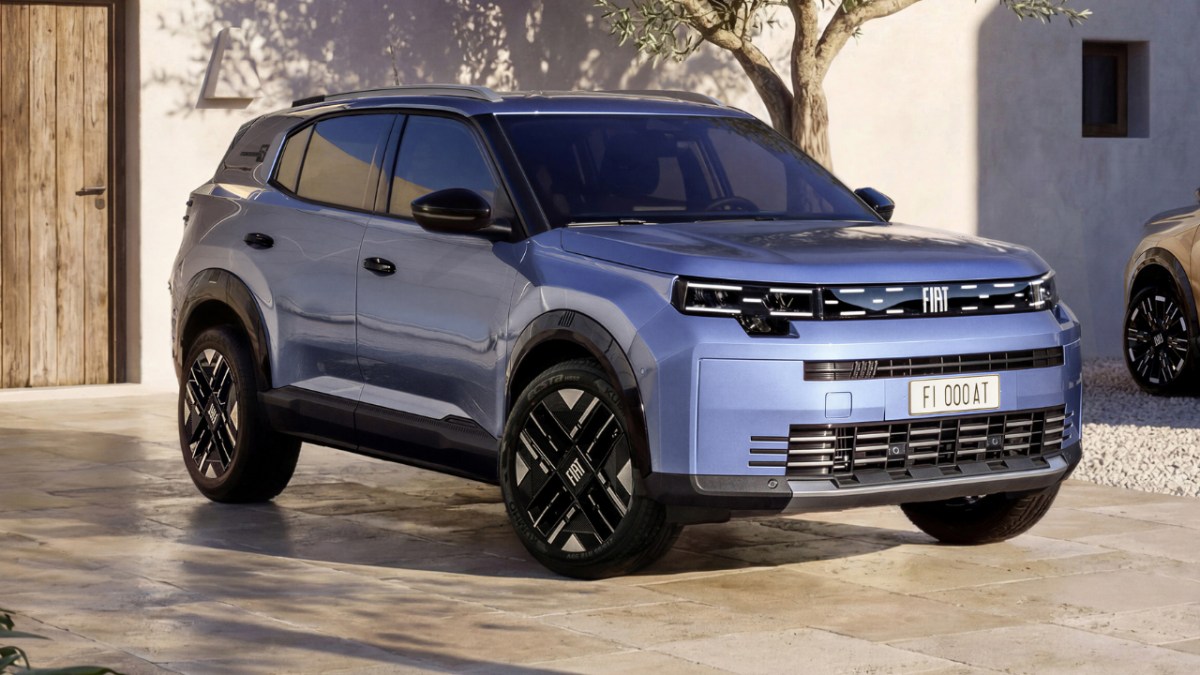
The design team spent a lot of time ensuring that both versions have their own clear identity while cutting manufacturing costs wherever possible. The regular Fiat Grizzly has a traditional boxy shape with highly sculpted side surfaces. At the front, sharp LED headlights run down directly into the lower bumper, and the front grille sports a modern illuminated look. The vehicle also stands out with its squared-off wheel arches and futuristic alloy wheels. The window layout looks a bit like recent Citroen designs, giving the car a familiar yet fresh appearance. Standard roof rails complete the traditional look on this version.
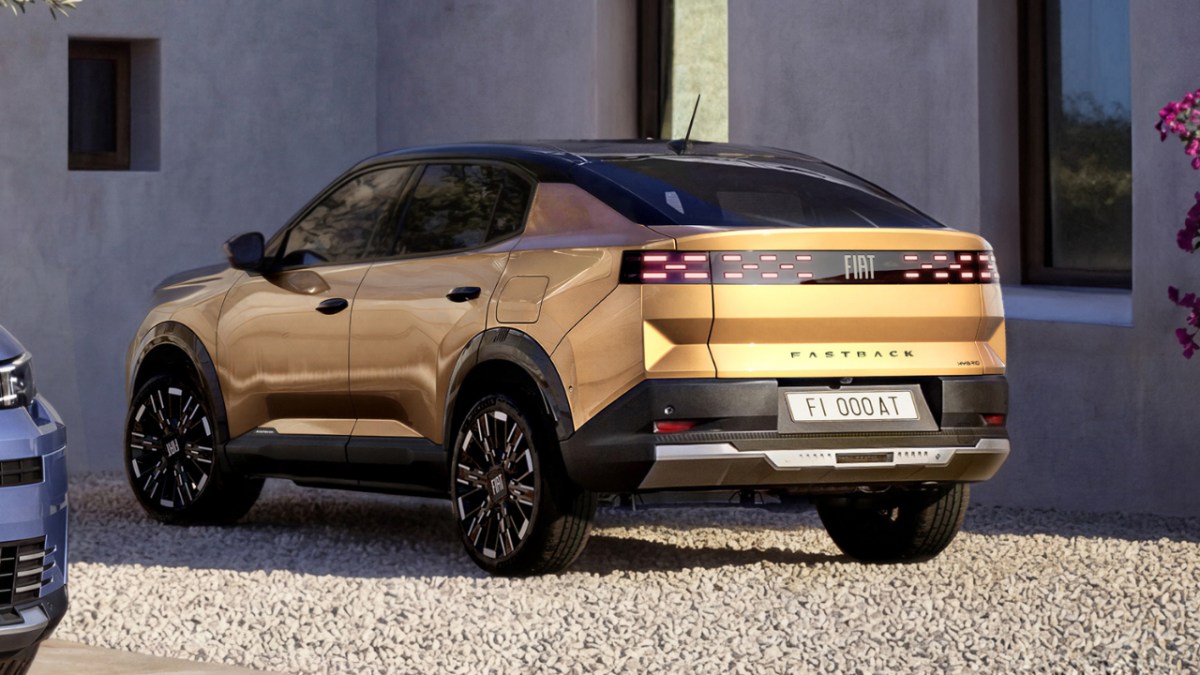
For buyers who prefer a slightly more dramatic look on the road, the Fiat Grizzly Fastback offers an alternative layout. This version completely removes the roof rails and features a roofline that slopes heavily down toward the trunk. The back of the vehicle has full-width LED taillights and a subtle ducktail spoiler built into the rear tailgate. To ensure that it still looks like an authentic utility vehicle, designers added a lot of rugged plastic cladding around the lower body. Thanks to clever cost-cutting methods, both variants actually share almost every single body panel beneath their different roof designs.
Both models measure under 14.8 ft in total length, allowing drivers to navigate busy city streets easily, and yet still providing enough room inside the cabin for a typical family. The vehicles ride on the Smart Car architecture developed by the parent company, Stellantis. This shared platform is a major asset for the group, as it already supports other modern vehicles like the Fiat Grande Panda, Citroen C3, Citroen e-C3 Aircross, and the Opel Frontera.
A major selling point for the new models is the wide variety of power options. Fiat plans to offer everything from standard gasoline units to fully electric cars. Buyers who still prefer traditional internal combustion engines can choose a 1.2-liter gasoline engine, which comes in both regular and mild-hybrid forms. But the true focus for the future is on the clean energy variants. The new EVs will borrow the electric motor and battery setups already used by other vehicles within the Stellantis family.
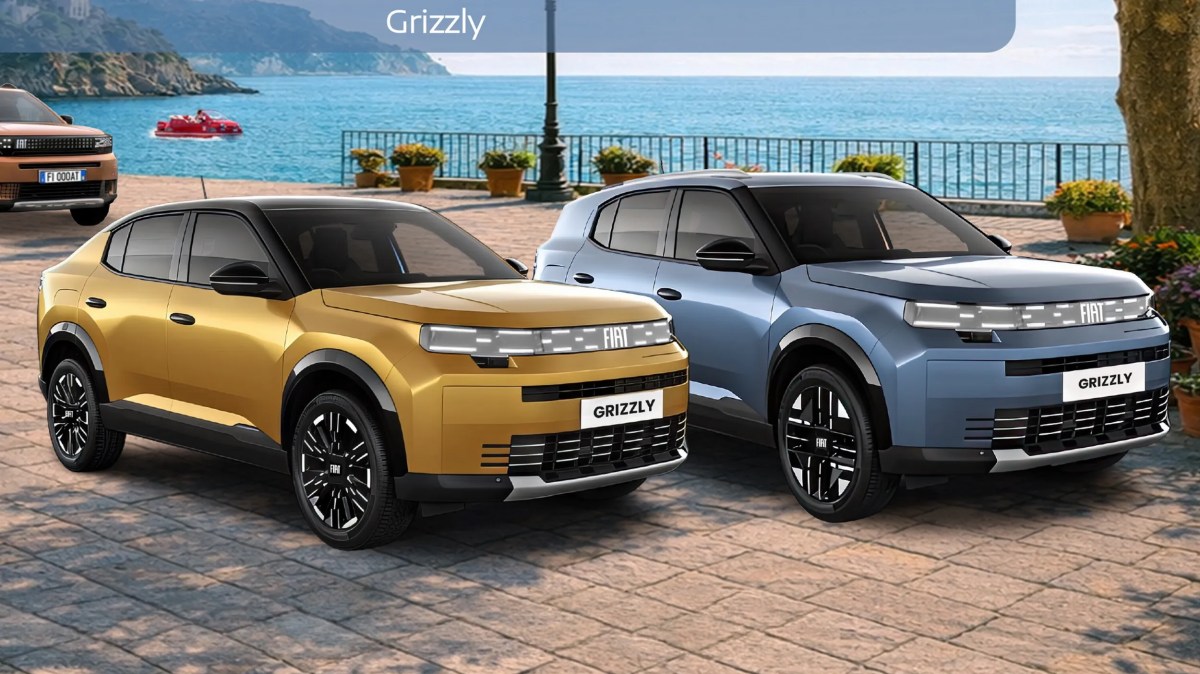
Even though Fiat has not published official photos of the interior yet, the brand is making big promises about the cabin experience. The standard version and the fastback will apparently "elevate the everyday in-car experience" through refined materials and careful attention to detail. The dashboard will use new technologies designed to simplify daily commuting for busy owners. The manufacturer promises exceptional passenger space and segment-leading cargo capacity, which will likely be a key selling point for families.
The global sales will begin in the second half of 2026, with the initial launch focused on markets across Europe, the Middle East, and Africa, followed by an expansion into Latin America. Depending on the country, the new models will serve as an indirect replacement for the discontinued Fiat Tipo sedan and hatchback. It will also replace smaller regional models like the Pulse and the older Fastback.
Related




Reader comments
- Popop
Grizzly ... Really ? That's not a very ... "sexy" name ...
- 07 Jun 2026
- MDf