Four minutes to charge an EV? Geely says its 2.2 MW is the answer
This week has been a proper whirlwind of battery announcements - and the message has never been clearer: you can forget the half-hour charging sessions. We used to tell ourselves that 30 minutes was a reasonable trade-off for zero emissions. It was the price of admission. But in China, it seems nobody got that memo.
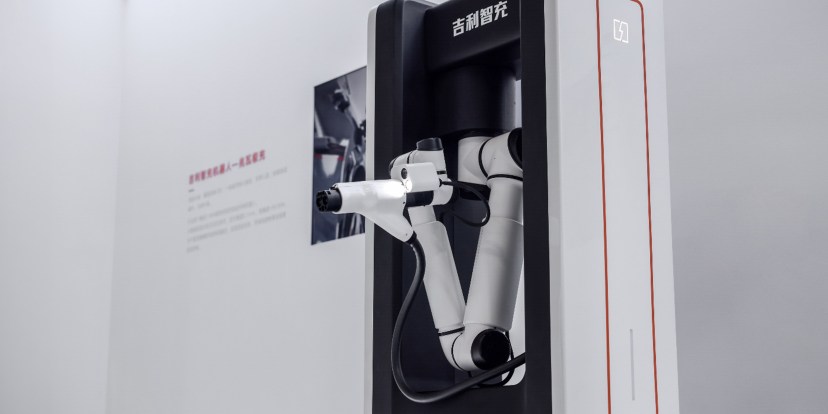
We heard from Sunwoda about its 10-minute charging tech; BYD is installing its 9-minute chargers all over China and Europe; Leapmotor is killing the 12V battery; and XPeng has jumped on the 1MW bandwagon as well. Geely obviously isn't going to be left behind, and at its Global All-Domain Safety Center in Ningbo, it revealed a consumer charging architecture capable of delivering a shocking 2.2 megawatts.
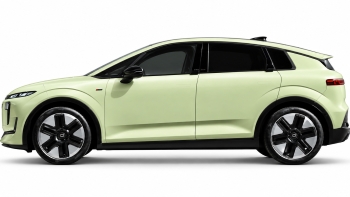
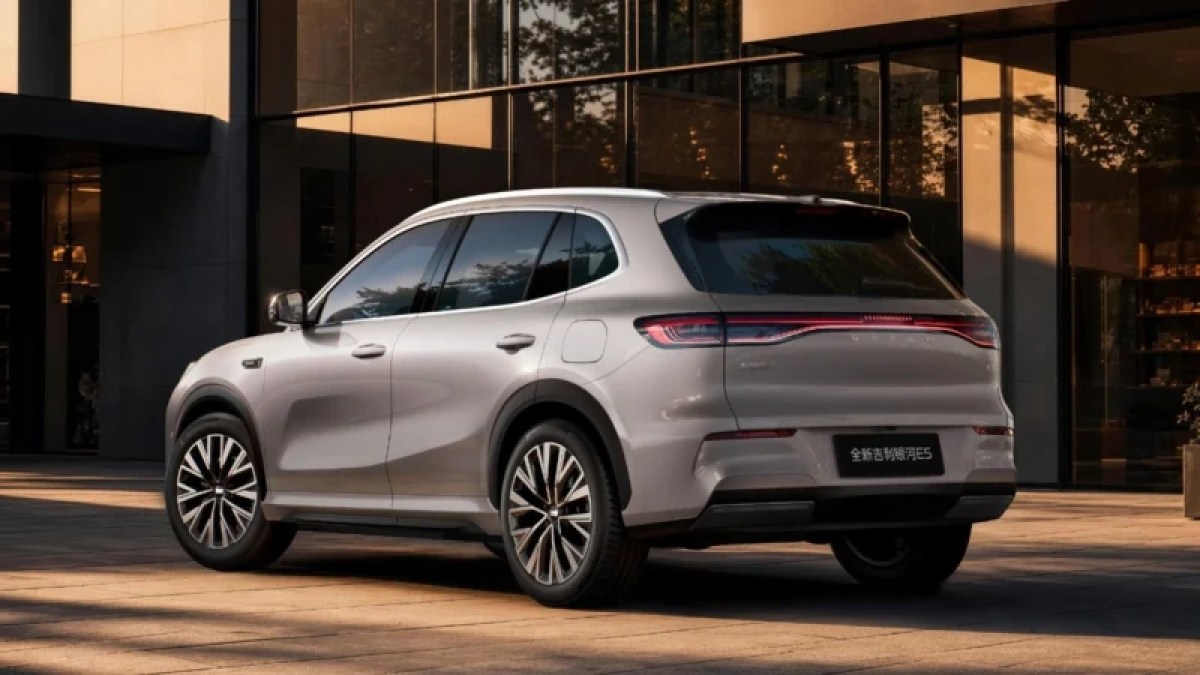
Yes, shocking - because we were only just getting used to the idea of having 1, or 1.5 megawatt chargers coming up in the next year or so - they are still as rare as unicorns. But two-point-two megawatts? That is roughly 50% faster than BYD's already silly 1.5 MW Flash Charging 2.0 system. It dwarfs Tesla's 1.2 MW commercial Megachargers. And the first car to use it is the newly upgraded Galaxy E5 SUV - from 10% to 70% state-of-charge in 4.5 minutes. If you insist on staying hooked up until 97%, the car taps out at 8 minutes and 40 seconds.
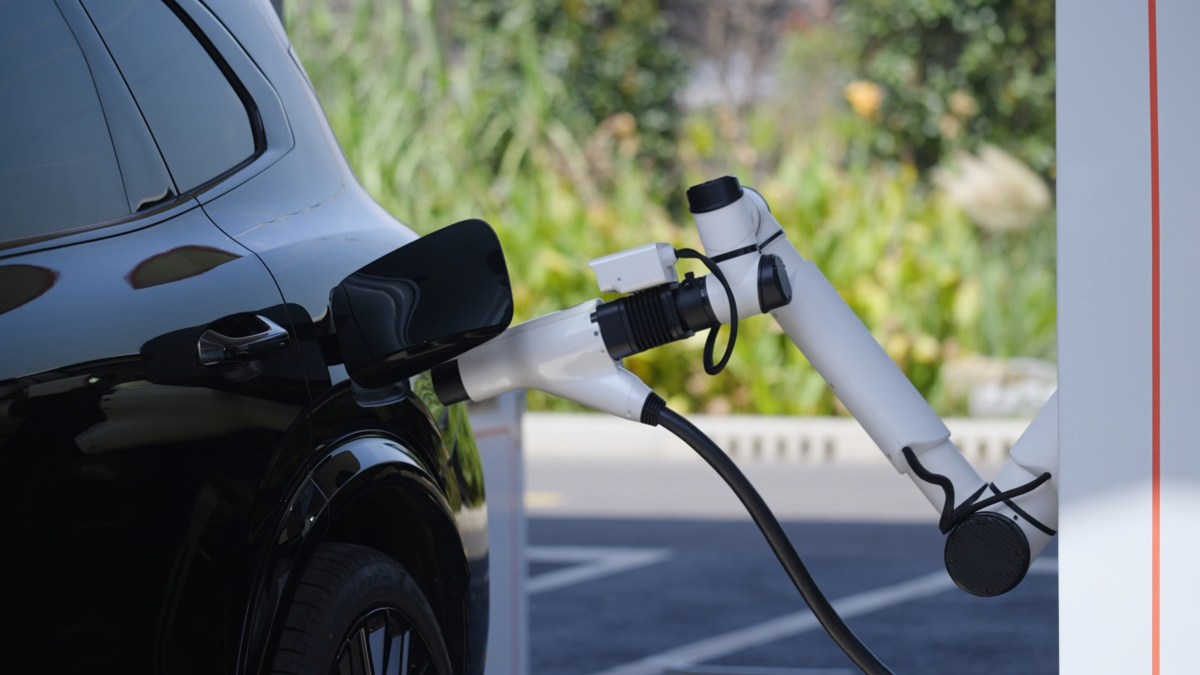
These numbers are positively ridiculous. Four minutes to charge your EV is an F1-style pitstop, not a chore that we are used to. I was blown away when testing the XPeng G6 - it took about 12 minutes on a 350 kW DC charger. I managed to plug it in, go get some snacks and pay for them, and by the time I got back the car was ready. Geely's tech is about 6 times faster in theory - in practice, anything that gets your EV from 10% to 70% in around five minutes changes the entire ownership experience.
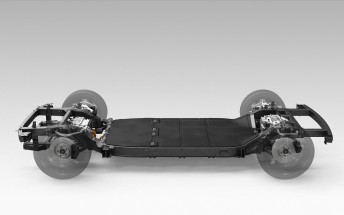
What makes this latest hardware even more critical is the backdrop of the Chinese EV market. After years of explosive expansion, pure-electric vehicle sales across China suffered through 11 months of contraction leading right up through August. The honeymoon period where any upstart could slap together a skateboard chassis, wrap it in touchscreen-heavy minimalist plastic, and print money - is officially dead. Buyers have become analytical cynics, and the battleground moved from flashy styling to intelligent operating suites, thermal survival, real-world chassis manners, and lightning-fast charging times.
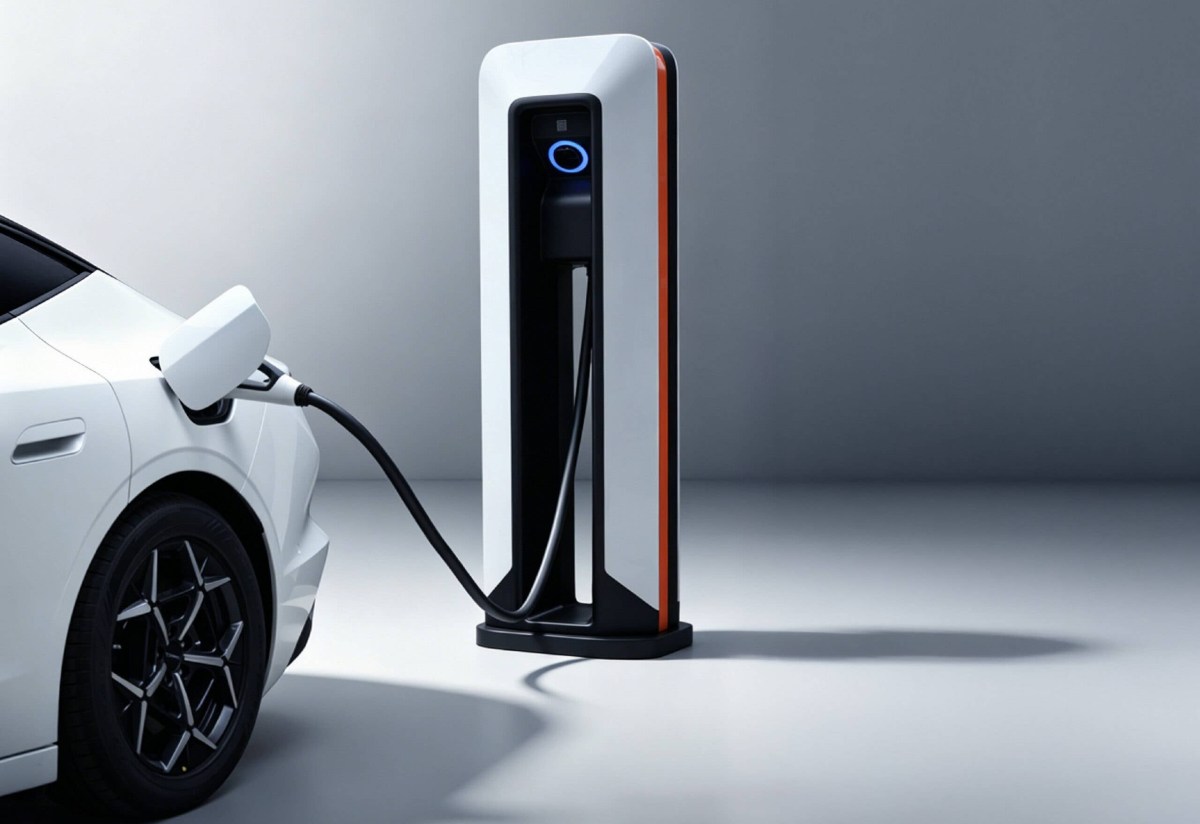
And this is exactly where the rivalry between Geely and BYD takes center stage. BYD has spent the past two years beating competitors with its Blade battery packs and a promise to roll out 90,000 megawatt-level charging hubs by 2028. Geely (owners of Volvo, Polestar, Zeekr, and Lotus) could not afford to let BYD run away too far. They had already trimmed charging down on their Golden Brick battery platforms, but this new 2.2 MW charging demonstrates Geely's technical brawn.
But whenever an automaker starts piping hundreds upon hundreds of kilowatts into a battery pack, the enthusiast in me starts scanning the dashboard for warnings. Forcing that many lithium ions across a membrane in less time than a pop song lasts, should normally turn a battery pack into a furnace. Geely's defense against this cell cremation is a predictive artificial intelligence.
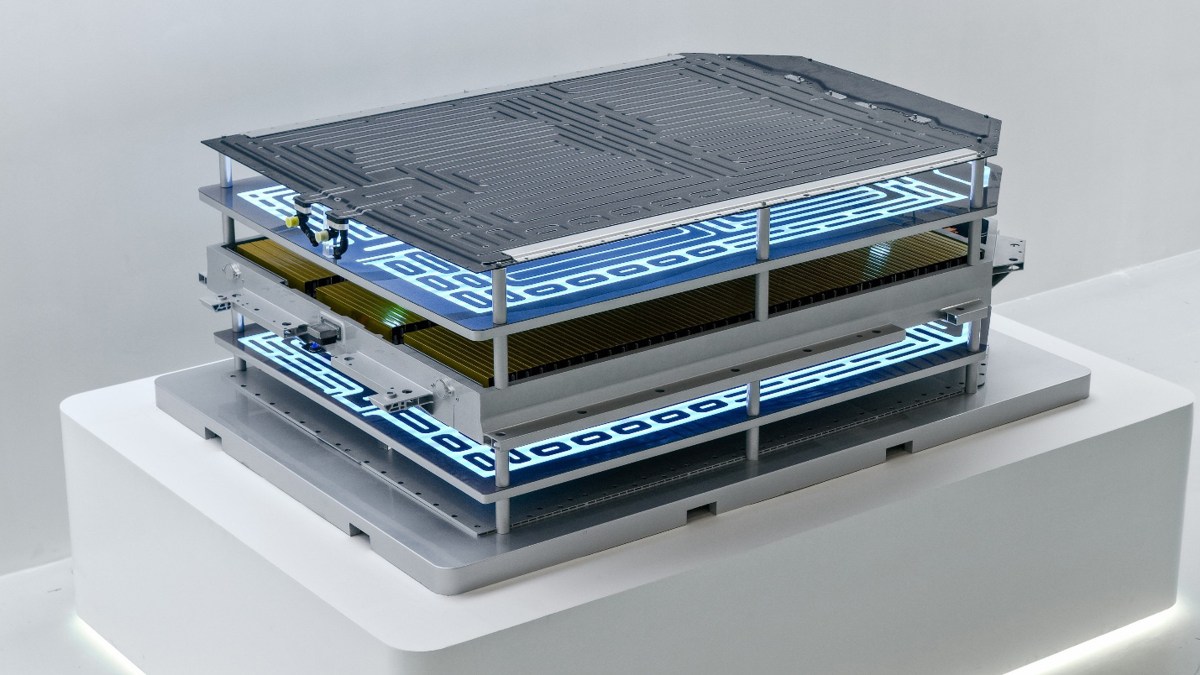
Instead of trusting voltage sensors alone, Geely runs cloud-based "digital twin" simulations with deep-learning neural models baked into the car's silicon. The system monitors tiniest impedance changes, dynamically adjusts liquid-cooling loops, and sniffs out unusual cell behavior long before thermal runaway can even think of waking up.
Geely claims this AI-guided guardian angel enables up to 3,500 continuous charge-and-discharge cycles while keeping physical cell degradation to an absolute crawl. Cycling a battery 3,500 times in a car that covers 249 miles to 311 miles on a charge means well over a 620,000 miles battery lifespan. It sounds like sci-fi, and corporate lab claims never stack up against freezing winters, humid summers, and years of real-world abuse. But if the claim holds up, the used-EV stigma of a ruined battery is dead.
Geely's executive team is surprisingly candid about where this road ends. Zhang Dewang, speaking at the Ningbo launch, agreed that charging speeds are already colliding with the boundaries of physics. We are approaching the point where improvements become meaningless. Trimming a pit stop from twenty minutes down to four is a monumental triumph; shaving it from four minutes down to three minutes and forty seconds is an expensive engineering flex without changing EV owners' experience.
If you love driving, this leap is a subtle, and yet huge paradigm shift for electric cars. For the past decade, automotive designers have been handcuffed by curb weight, forced to package 120 kWh batteries just to provide buyers with acceptable touring reassurance. But imagine a car engineered around a light 50 kWh pack that delivers razor-sharp handling, knowing that four minutes at a DC charger restores hundreds of kilometers of fun. The car-side of the tech is sorted, all we need now is a reliable grid, and charging infrastructure all over the world - and that will take time.
Related

Reader comments
Nothing yet. Be the first to comment.