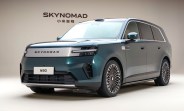
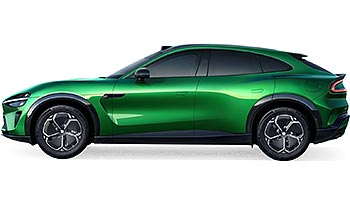
He Xiaopeng reveals the new global SUV - XPeng G9L
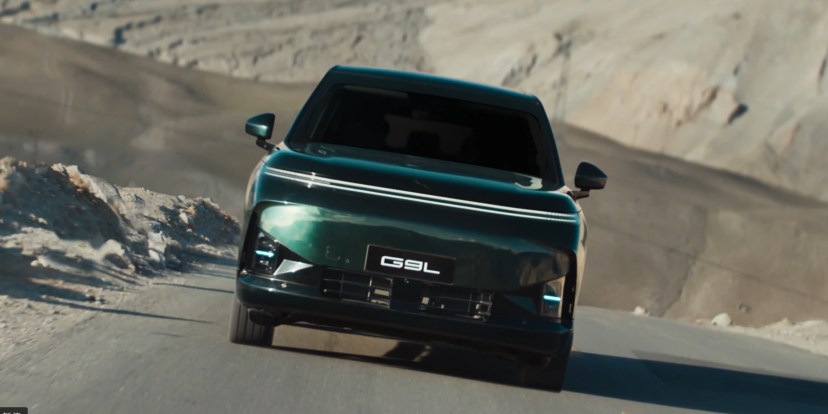
The last couple of decades have been really something to watch. It all started with the traditional auto establishment scoffing at the idea that upstart tech firms could master the black art of the automobile - we only need to mention Xiaomi to see how well that went for the old guard. But as we watch the global markets shift, the battlefield seems to have moved into the realm of software-stuffed luxury cruisers.
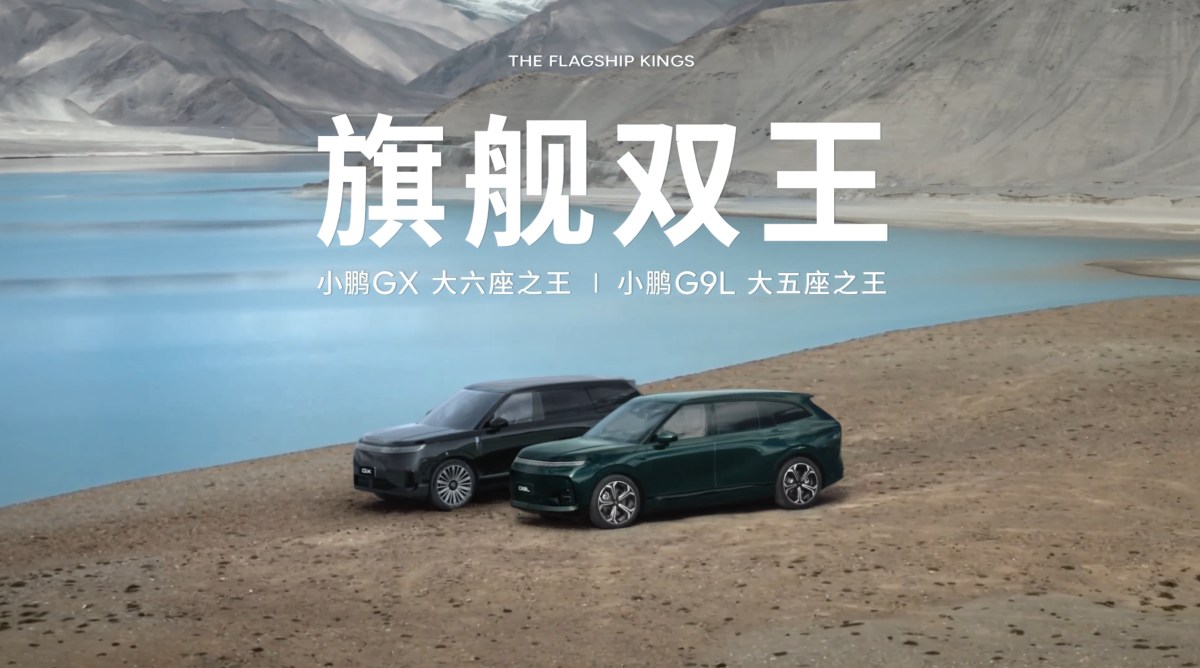
XPeng has spent the last few years throwing everything at the wall, from sleek sedans to quirky haulers, and now it is doubling down on this high-end SUV niche. Their latest contender, the G9L, is a massive statement - an EV engineered explicitly to take the fight beyond domestic borders and plant a digitized flag on the global stage.
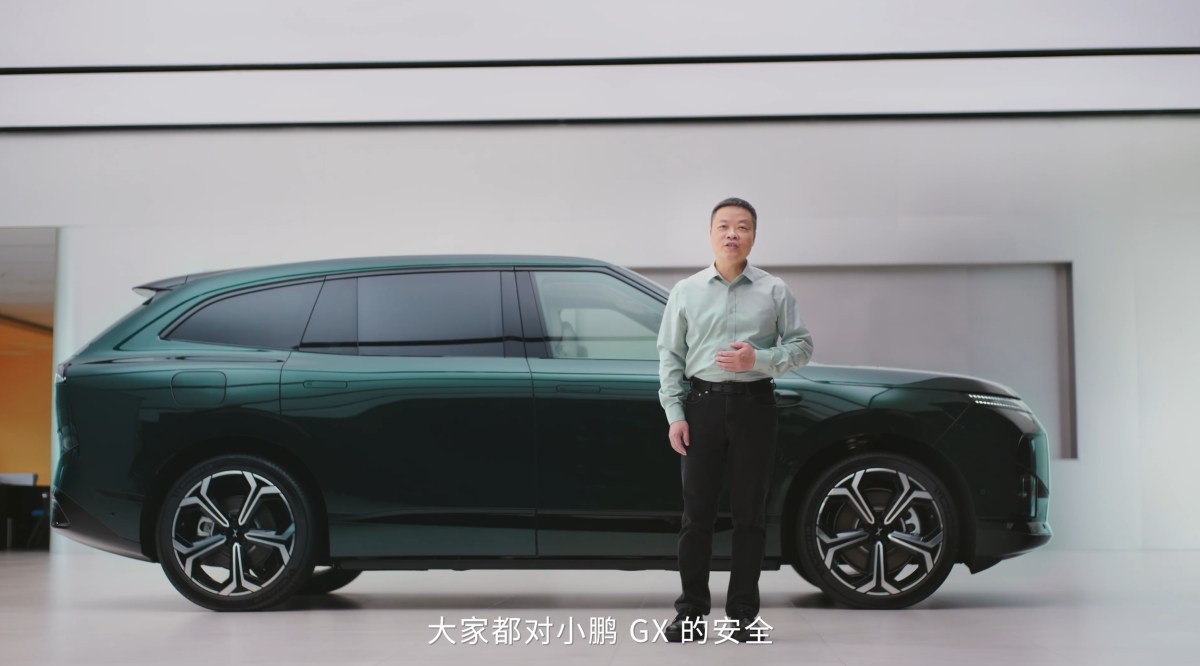
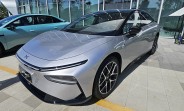
When you look at the G9L, its scale demands immediate attention. It stretches to a commanding 201.6 inches in total length, rides on a massive 122 inches wheelbase, and has a width of 78.7 inches. To put those numbers into perspective against the electric elite, the G9L is 4.96 inches longer than the new BMW iX5. It also easily eclipses the Tesla Model X - which measures 198.3 inches in length with a 116.7 inches wheelbase - and completely towers over the Audi Q8 e-tron's 193.5 inches length and 115.3 inches wheelbase. With a curb weight tipping the scales at 5,997 lb to 6,041 lb, this is a serious heavyweight that will fill standard parking spaces to the absolute brim.
Interestingly enough, rather than cramming in a compromised third row to chase family-hauler status, XPeng has deliberately restricted the G9L to a five-seat configuration. It is a clever move to prevent the vehicle from eating the lunch of its six-seat big brother, the GX. By ditching those extra rear perches, they have unlocked a cavernous 40.7 ft³ trunk that could easily swallow a week's worth of expedition gear.
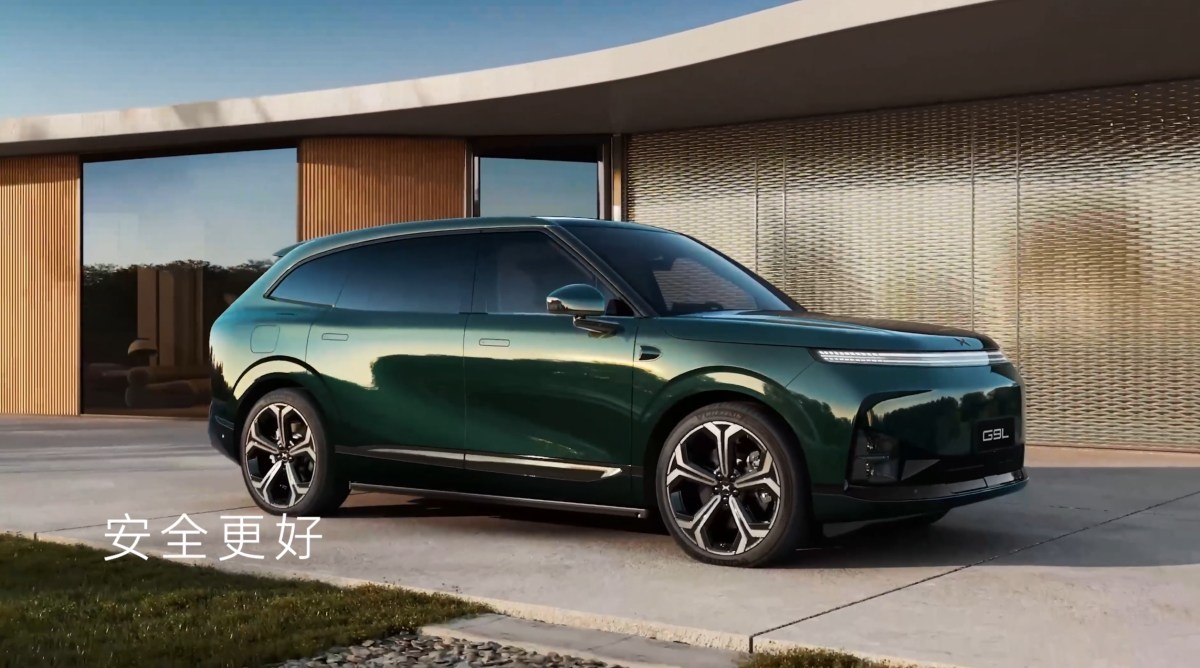
The styling borrows the clean, imposing design of the GX - complete with hidden door handles, huge 22-inch wheels, and four power soft-closing doors that shut with that satisfying, expensive-sounding thud. Up front, the passenger gets a full zero-gravity lounge seat, turning the cabin into something resembling a business-class airline pod.
Of course, you cannot talk about a modern flagship without diving into the digital madness, and this is where XPeng truly shines. They are claiming 2,250 TOPS of effective computing power, driven by a quartet of proprietary AI Turing chips. This immense processing muscle runs the brand's second-generation Vision-Language-Action (VLA) model, designed to handle everything from complex Navigate On Autopilot highway cruising to advanced self-parking maneuvers.
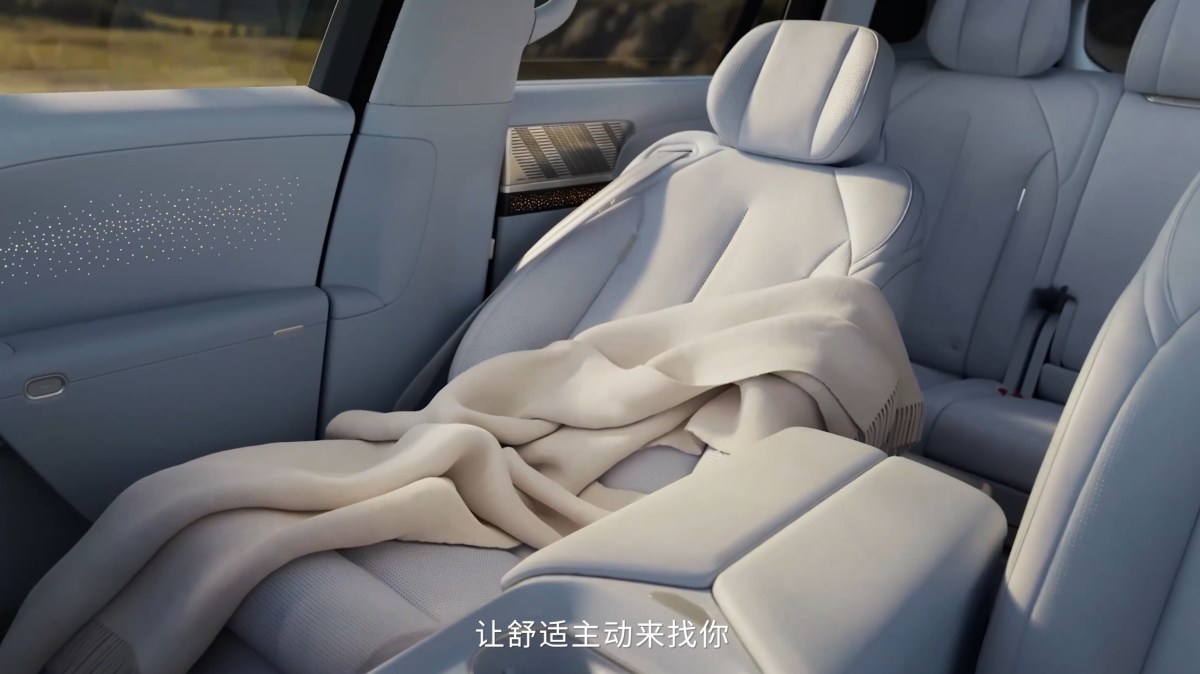
But the piece de resistance of engineering overkill has to be the AI-powered adaptive seats. The engineers packed a ridiculous 91 pressure sensors into the seating frames, capable of detecting a weight shift as minuscule as 2 grams. Lean slightly to the left after a heavy lunch, and the car subtly adjusts the side bolsters.
Under all the predictive algorithms and the built-in dual-zone refrigerator, a vehicle of this size still has to manage the basic physics of driving. To prevent 5,997 lb of luxury SUV from rolling like a cross-Channel ferry in the corners, XPeng has fitted a flagship smart chassis as standard equipment across the entire lineup. I was intrigued to see the company proudly boast that the G9L clinched the fastest moose test result in its specific class - an impressive claim for a vehicle of this size.
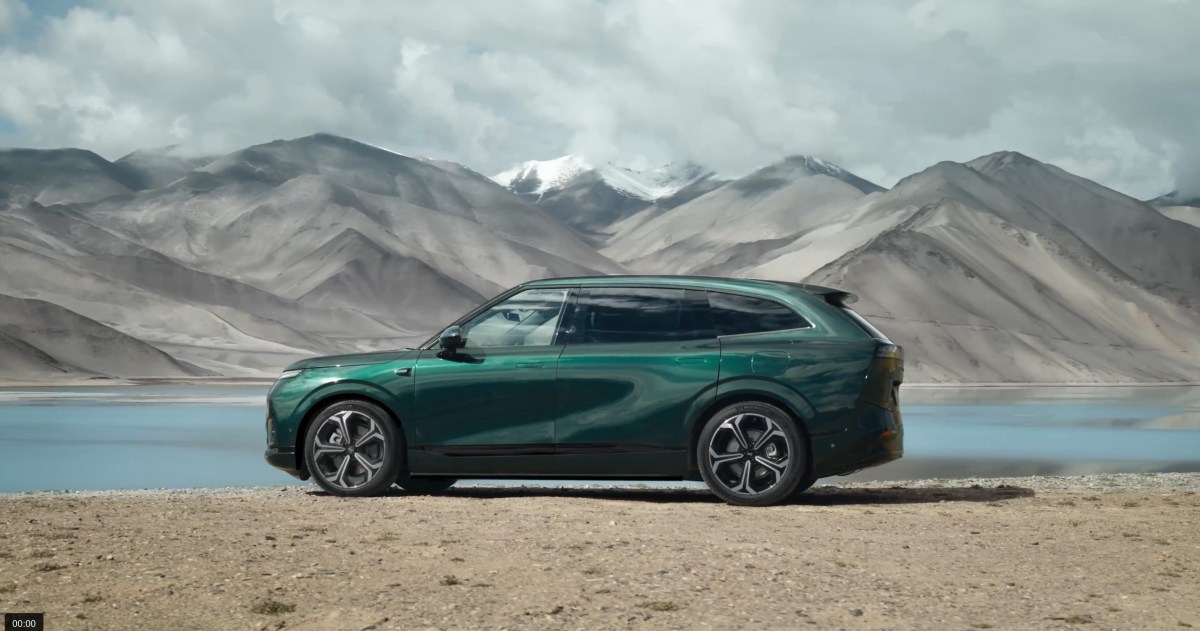
The all-wheel-drive version of the new G9L has a dual-motor setup that deploys a 160 kW motor on the front axle and a beefier 270 kW motor at the rear, generating a combined system output of 430 kW (a very healthy 577 horsepower). That is more than enough muscle to rocket this grand cruiser up to a top speed of 124 mph without breaking a sweat.
The G9L promises to fix the classic road-trip anxiety with its high-voltage electrical backbone. Using an advanced 800V platform architecture, the battery pack can suck down electrons at a blistering pace. XPeng claims the system can pump 280 miles of range back into the battery cells in 9 minutes. For those still clinging to the safety blanket of internal combustion, XPeng is also preparing an extended-range electric vehicle version, keeping their dual-powertrain strategy alive.
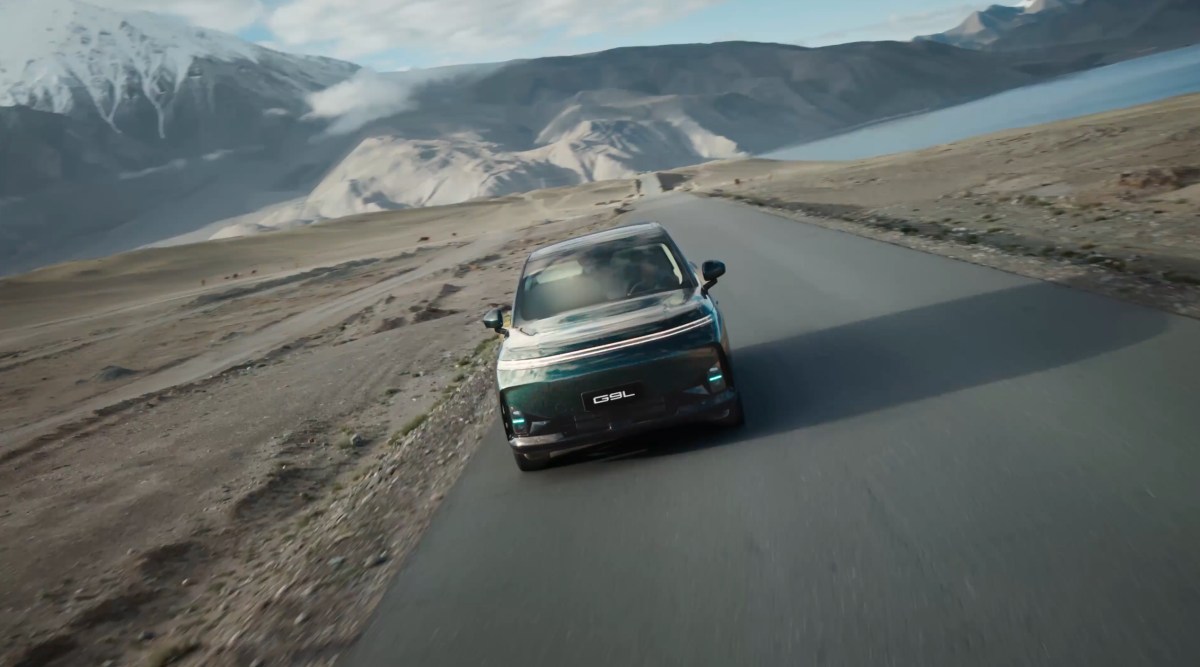
The flexible approach to powertrains reveals a pragmatic U-turn within the brand's executive offices. The G9L was apparently approved for development three years ago under the watchful eye of CEO He Xiaopeng with a mandate to redefine what a global flagship looks like.
To make sure it works well in demanding overseas markets, the SUV has an aviation-grade safety redundancy design, built from the ground up to satisfy the five-star crash test standards of four major global safety bodies, including Euro NCAP and ANCAP. It is an expensive way of developing a new EV for sure, but absolutely vital if XPeng wants to go toe-to-toe with European premium brands on their own turf.
But as impressive as the G9L is, we can't hide the fact that XPeng needs this new machine to be a home run. The latest data from the China EV DataTracker shows a sobering reality: domestic deliveries for the first half of 2026 dipped by 24.5% year-over-year. Even looking at the global picture, July's output of 38,027 vehicles is a modest annual crawl upward of 3.57% (and actually sliding 5.23% compared to the previous month).
The year-to-date total of 204,004 vehicles through July shows a 12.78% decline from the previous year's pace. Trying to establish itself as a technological benchmark in the fiercely contested RMB 300,000 segment (roughly $44,435), is a high-voltage gamble. The G9L is designed to flip the script, but is the raw computational power and clever design enough to reignite a brand's momentum?
Related
Reader comments
Nothing yet. Be the first to comment.