Interior of the new BYD Seal 07 reveals a grownup design
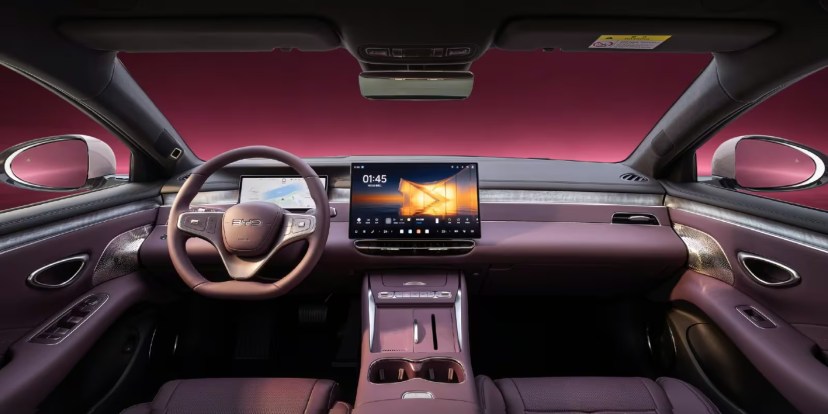
Here’s a simple fact about cars, electric or not - whenever you spend six or seven hours behind the wheel, you quickly forget about performance numbers and start caring about cabin layout. If you cannot put your phone on a charger without knocking a coffee cup, or if shifting into reverse means fighting with a fiddly dial while maneuvering into a tight parking bay, all the power and clever software count for nothing. BYD has learned its lesson, and with the second-generation Seal 07, the company is trading some of its earlier stylistic “novelties” for a cabin that takes ergonomics seriously.
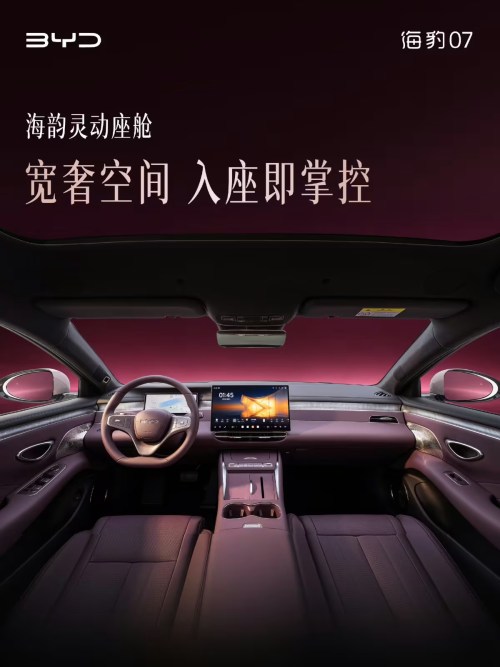
The clearest sign of this is the missing round crystal gear selector that used to sit on the center console. Selecting drive modes is now done with a neat stalk tucked behind the steering wheel. Moving that shifter clears out the transmission tunnel entirely, making room for two wireless charging pads, deep cup holders, and a row of physical metallic rocker switches that you can operate without taking your eyes off the road. The new three-spoke flat-bottom steering wheel sits in front of a digital instrument cluster, and a recessed head-up display hides out of the way. It is a mature, clean layout that swaps the clutter of early Seal for everyday usability.
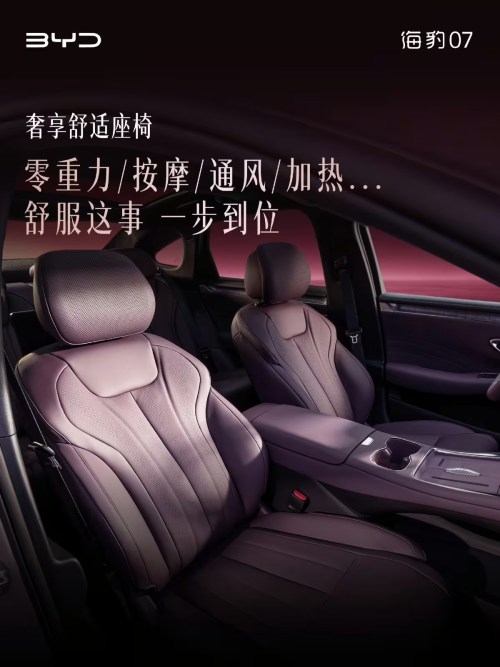
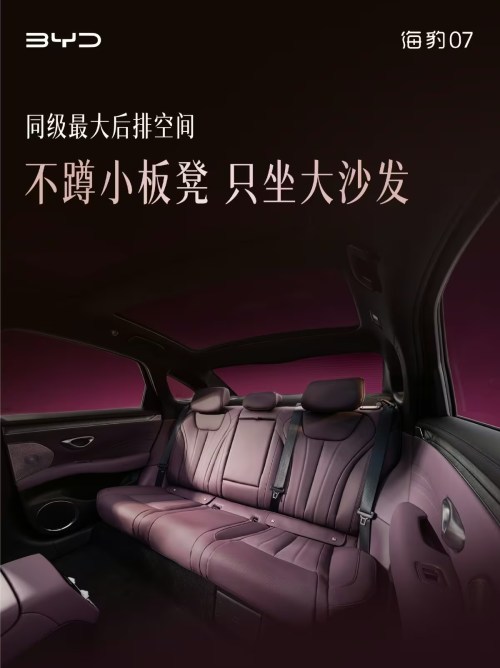
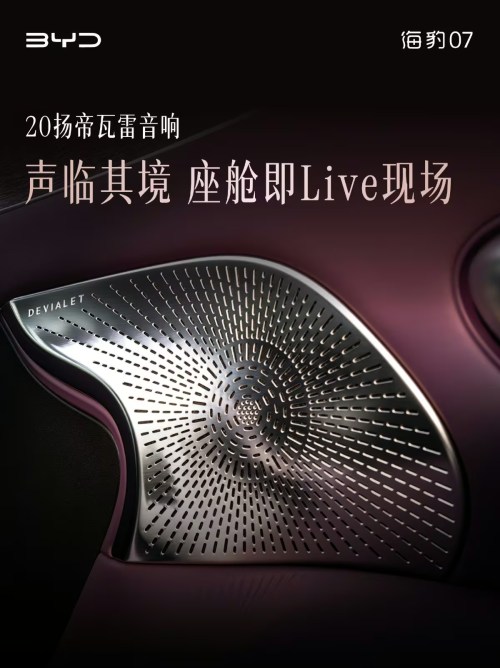
Passenger comfort also shifts upmarket. The front seats are zero-gravity units with ventilation, heating, and pneumatic massage. The rear bench gets longer seats and deeper backrest contours. BYD has fitted a 20-speaker Devialet sound system with swanky laser-etched metal grilles decorating the door cards, replacing the Dynaudio setups used in earlier models. Twenty speakers can sometimes feel like spec-sheet inflation, but a well-tuned acoustic profile combined with double glazing should keep wind noise and tire rumble at bay.
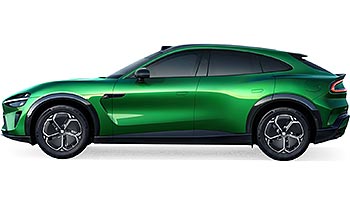
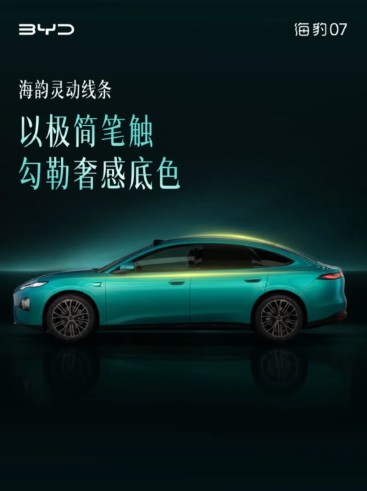
To make all of that interior space work, the second-generation Seal 07 has gone through a growth spurt. Chinese regulatory filings reveal that the new car stretches to 200 inches in length, is 77.2 inches wide and 58.9 inches tall, with a 116.5 inches wheelbase. Compared to the outgoing Seal 07 EV, that is an increase of 3.35 inches in bumper-to-bumper length, 1.97 inches in width, and 2.36 inches between the axles. Those aren’t small differences - they push what was once a midsize sedan into full-size executive territory.
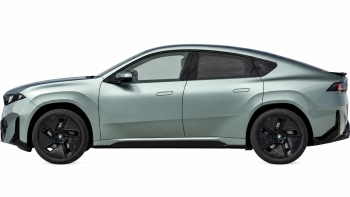
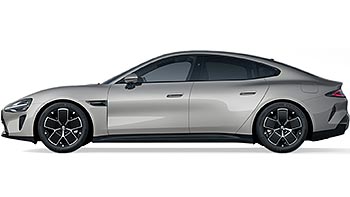
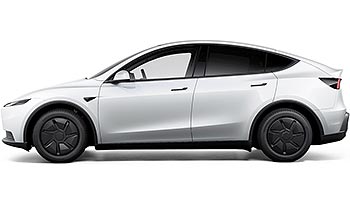
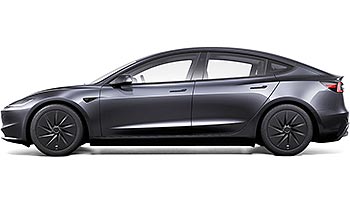
Tesla Model 3 is way smaller at 185.8 inches long, and 72.8 inches wide. Even the Xiaomi SU7 comes in shorter at 196.7 inches in length and 77.3 inches wide, though it has a longer wheelbase at 118 inches. BYD is putting the new Seal shoulder-to-shoulder with the larger luxury cruisers like the BMW i5 (199.2 inches long, 74.8 inches wide and 59.6 inches tall), offering executive rear legroom without the German price tag.
Unfortunately, that size brings weight penalties - the battery-electric Seal 07 weighs 4,542 lb, and the plug-in hybrid edition comes in at 4,321 lb. You will feel that the moment you lean into a quick succession of turns, and no amount of clever software can disguise two metric tons shifting side to side. But the wider tracks and longer wheelbase should reward drivers on motorways, offering relaxed straight-line tracking and a planted stance. The chassis keeps an independent suspension setup, and if BYD dials in the damper rebound properly, this car should deliver supple cruising comfort.
The pure electric variants will offer two RWD configurations. The entry powertrain gets a 245 kW (329 hp) electric motor coupled to a 77 kWh LFP battery pack, delivering up to 482 miles of range on the domestic CLTC cycle (395 miles under the stricter WLTP). Buyers stepping up to the long-range model get a 300 kW (402 hp) motor paired with an 89 kWh FinDreams battery, extending CLTC endurance to 544 miles (WLTP 446 miles). Both electric variants have a top speed of 149 mph.
BYD continues to back its hybrid tech with the Seal 07 DM-i. The hybrid pairs a 1.5-liter turbocharged four-cylinder petrol unit rated at 115 kW with a 160 kW electric traction motor. What stands out here is the battery size: at 38 kWh, the pack is larger than what powered many EVs only a few years ago. It promises an electric-only range of 152 miles under the WLTC standard, and tops out at 118 mph. In practice, that lets owners treat the DM-i as a pure EV throughout the work week, reserving the combustion engine as an onboard generator for weekend trips.
The hardware split between the two powertrains extends to driver assistance. Official images show the electric Seal 07 with a roof-mounted LiDAR pod, but the hybrid version relies only on vision cameras and mmWave radar. BYD used to treat autonomous driving assistance as a secondary concern, preferring to build its reputation on battery chemistry and vertical integration. That LiDAR sensor on the new Seal shows that the company can no longer ignore the autonomous software arms race led by competitors like XPeng and Huawei, especially when buyers expect “autopilot” functionality.
The whole redesign is the result of mounting market pressure. Deliveries of the outgoing Seal 07 fell 37.3% month-on-month in September to just 624 units in its home market. Across the wider Ocean family, the entire Seal lineup saw September sales slide 9.04% year-on-year to 46,718 cars, and nine-month total volume dropped 14.11% to 304,723 units. In 2025, the nameplate accounted for over 11% of BYD’s global output, so letting it slip is not an option in a market where cars age in months rather than years.
When the previous Seal 07 hit showrooms, it undercut rivals with starting prices between RMB 169,900 (around $25,290) and RMB 189,900 (the hybrid ranged from RMB 149,800 to RMB 186,800). Within the space of a few weeks, BYD rolled out the Da Han EV, the second-generation Seagull, and now this new Seal 07 - that industrial turnaround speed should keep legacy automakers worried.
Related



Reader comments
Nothing yet. Be the first to comment.