BYD Seal 08 promises 1,000-km range thanks to its Blade 2.0 battery
The EV market might be getting crowded, but BYD decided to drop another heavy hitter. The Chinese automaker shared details through government filings about its newest flagship sedan, the Seal 08. This car is the absolute top of the line for BYD's "Ocean" series. According to the latest regulatory documents, this large fastback is ready to hit the streets very soon.
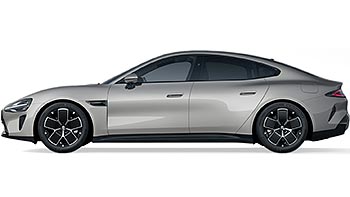
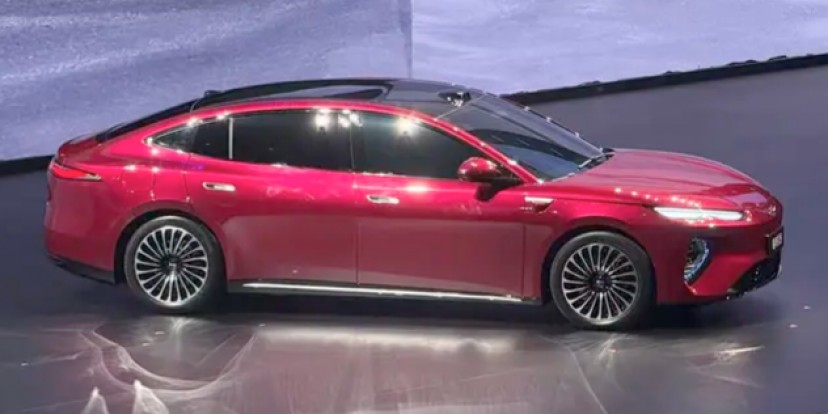
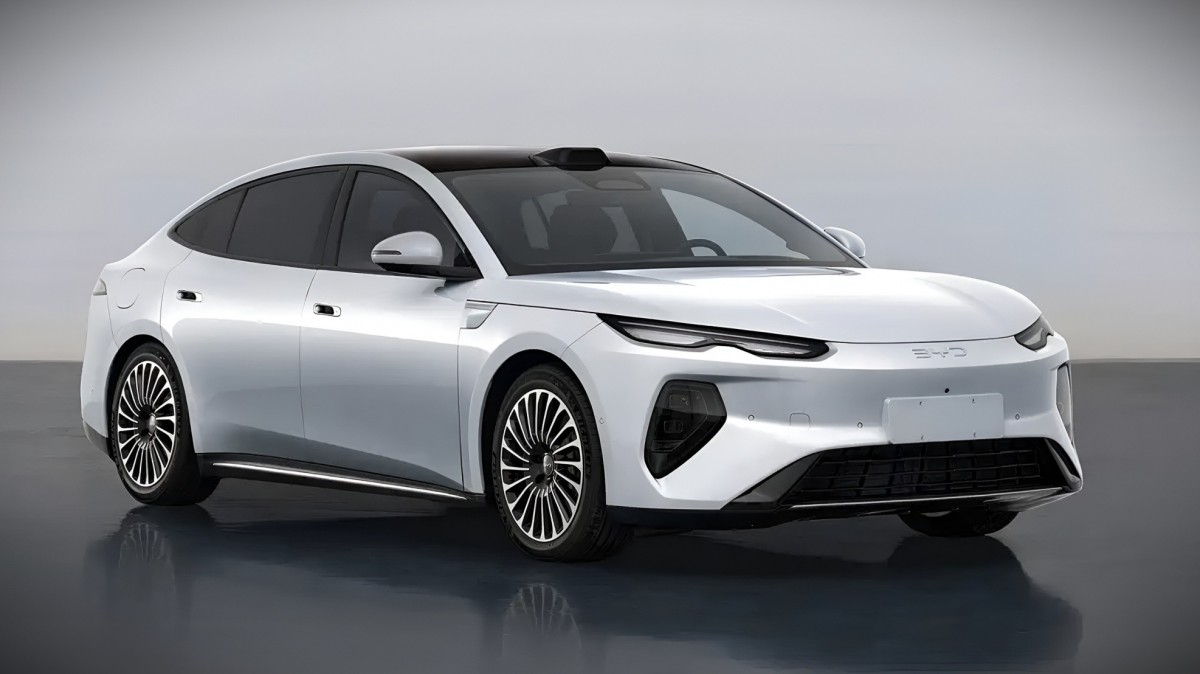
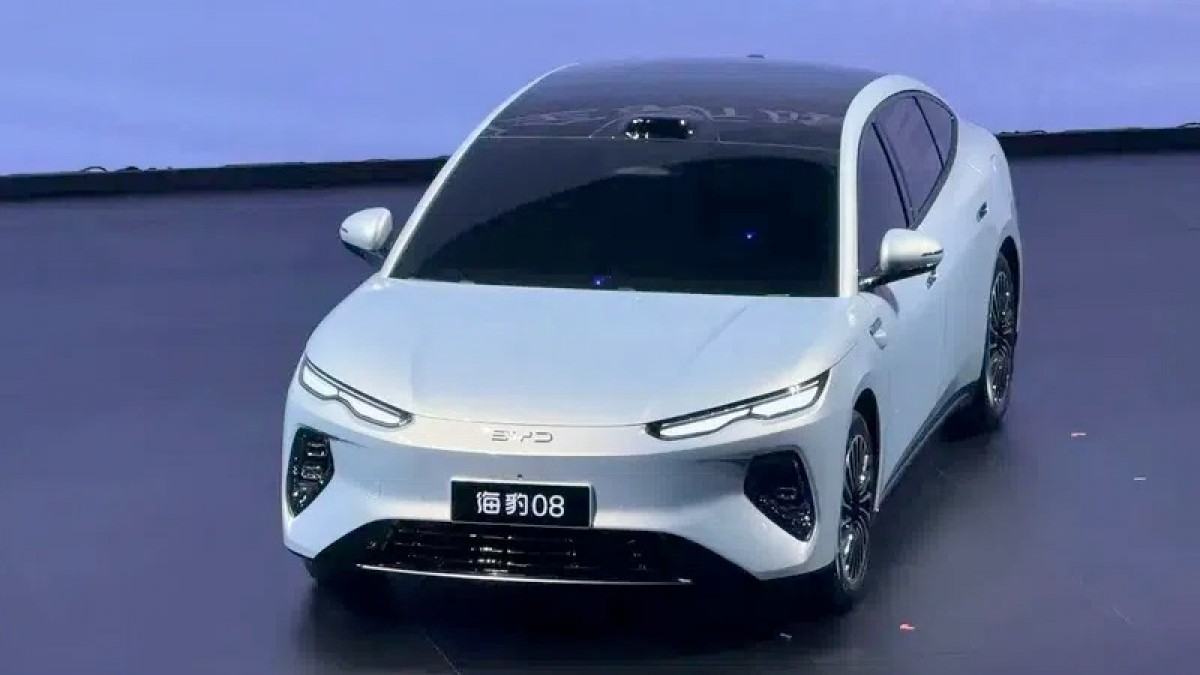
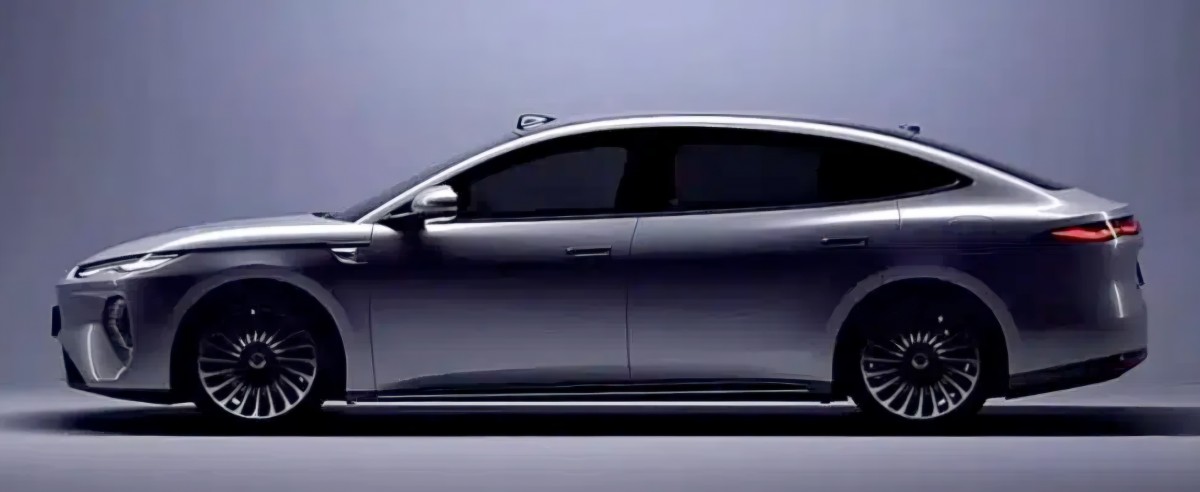
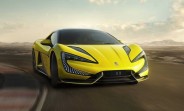
Expect to see the Seal 08 officially launch in the second quarter of 2026. The car has a sleek "fastback" shape, with its roofline curving down smoothly all the way to the rear bumper. It follows the "Ocean-S" design style that BYD fans will find familiar. It has slim headlights and a hood with distinct ridges. If you look at the roof, you will notice a small bump - that's a LiDAR sensor, the "eye" the car uses for its "God's Eye B" assisted driving system.
 1,000-km range thanks to its Blade 2.0 battery">
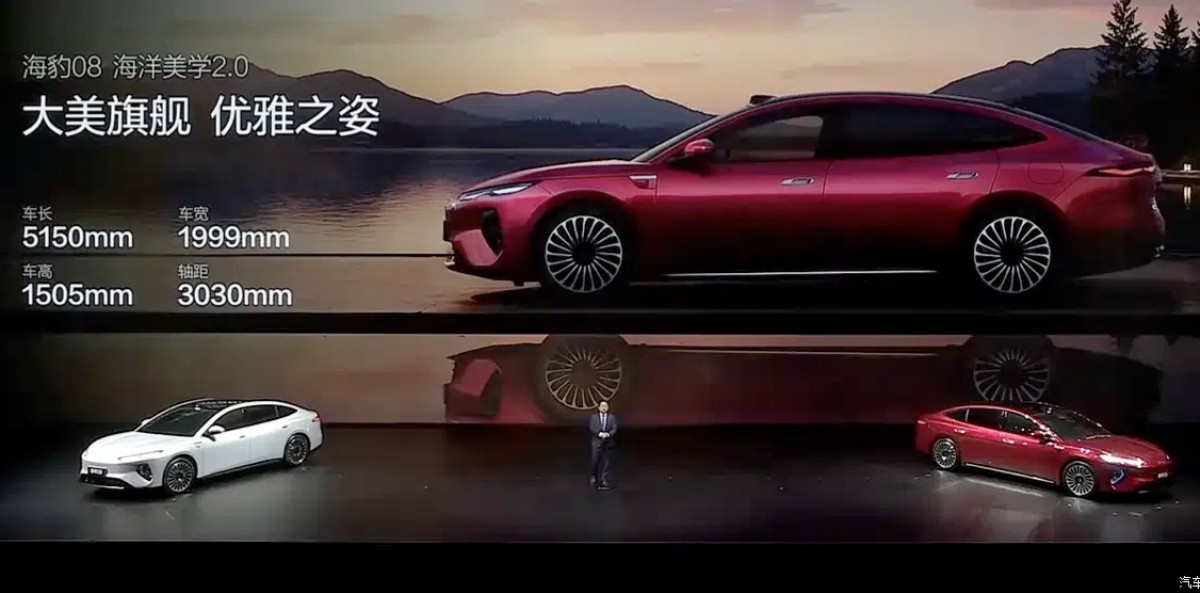
The Seal 08 is certainly not a small vehicle - it measures 202.8 inches long, it is 78.7 inches wide and 59.3 inches tall. To make sure passengers have plenty of room inside, BYD gave it a long 119.3 inches wheelbase. The car sits on what appears to be 20-inch wheels with a multi-spoke design, and at the back, a single light bar stretches across the entire width of the trunk - a look that is very popular for modern EVs.
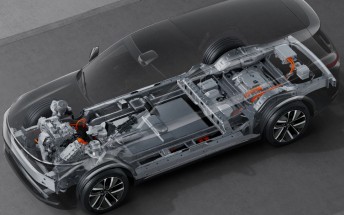
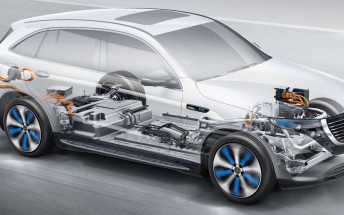
But the most talked-about feature is the battery. BYD is using its new "Blade 2.0" technology for this model. These are lithium-iron phosphate batteries, and BYD claims the Seal 08 can travel over 620 miles on a single charge. That number comes from the CLTC testing cycle - known for being quite optimistic - but even if the real range ends up being around 435 miles, it is still a massive figure.
 1,000-km range thanks to its Blade 2.0 battery">
When you do eventually run out of power, you will not have to sit around for very long. The Seal 08 supports MW flash charging. BYD says the car can add 249 miles of range in just five minutes - about the same amount of time it takes to walk into a gas station and buy a soda. This incredible speed is possible because the car uses an 800V high-voltage system, designed to handle a huge amount of electricity very quickly without getting too hot.
Under the hood, the Seal 08 uses a "DM-i" hybrid setup. It has a 1.5-liter engine that provides 115 kW of power, but it is the electric motor that's the real muscle, offering 200 kW. By combining a gas engine with a large battery and a strong motor, the car can act like a pure electric vehicle most of the time. This gives drivers the best of both worlds: the efficiency of EVs and the backup plan of a gas engine for very long trips where chargers might be hard to find.
 1,000-km range thanks to its Blade 2.0 battery">
Driving a car this long can sometimes feel like trying to steer a boat, but BYD added a clever trick. The Seal 08 features rear-wheel steering, helping the car turn much more sharply in tight parking lots. It also uses the "DiSus-A" active suspension system, which can adjust how soft or firm the ride feels while you are driving. It keeps the car level during fast turns and makes sure you do not feel every single bump in the road.
In terms of cost, the Seal 08 will likely be priced between RMB 300,000 and RMB 350,000. When converted, that is roughly $42,000 to $49,000. This price puts it right in the middle of a tough fight. It will compete against the Tesla Model S and the Nio ET7. It also has to deal with the new Xiaomi SU7, which has been making a lot of noise lately. Within its own family, the Seal 08 sits above the Seal 07 and the Song L, making it the most expensive and advanced sedan in the Ocean lineup.
 1,000-km range thanks to its Blade 2.0 battery">
BYD is already looking at building cars in Canada and might even buy some local car brands to expand. As the race to build better electric cars gets faster, the Seal 08 is BYD's way of showing off its best tools. Between the ultra-fast charging and the 620 miles range goal, it is a serious response to its rivals.
Related
Reader comments
Let's hope there is going to be a pure battery version as well. The DMi system puts more focus on electric driving but it remains a plug in hybrid. Once the battery depletes, they have to rely on the IC engine which needs to carry all the weight...
- 17 Mar 2026
- xhf
The prices mentioned are just a guess. So far it's only a filing. The mentioned SU7 is a bit smaller. The SU7 starts at 230,000 RMB in China. Converted to USD or EUR can only help to get a better feel for the price. The price in any export marke...
- 17 Mar 2026
- xhf
- Anonymous
Converted price in China is nice to see but it would make sense to compare it to local prices of cars it is competing with, so we can guess just how cheaper or more expensive it aims to be compared to those cars, if it ever is exported globally. By i...
- 16 Mar 2026
- mZ5