Why China just put the brakes on new electric robotaxis
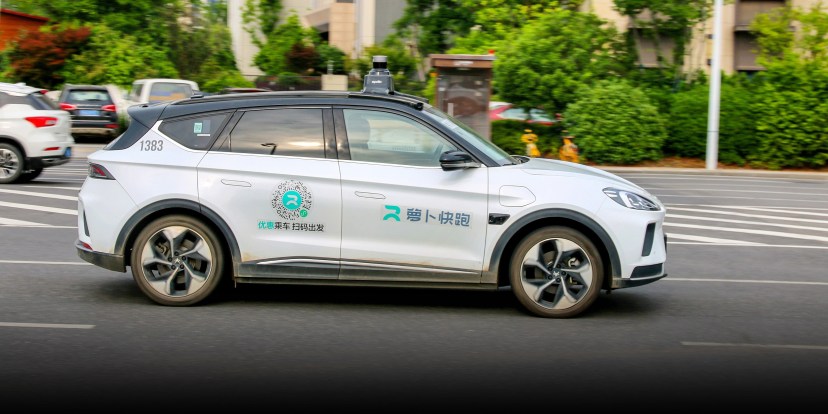
Wuhan is a city in China, over 620 miles south of Beijing, with more than 13 million people. On the night of March 31, 2026, the streets of this busy place turned into a parking lot. Dozens of electric cars stopped moving right in the middle of the road. But these were not cars with people behind the wheel - they were Apollo Go robotaxis. These EVs belong to Baidu, and some reports say as many as 200 of these cars just quit working all at once. The "future of driving" literally took an unscheduled nap in the middle of traffic.
When these EVs froze, they created a giant mess for everyone else. Other drivers could not get around the stalled vehicles, which led to several rear-end crashes. Thankfully, nobody got hurt in these accidents. Thankfully, people inside the Apollo Go cars could open the doors and leave on their own. Some passengers did not feel safe stepping out into the middle of a busy street and stayed inside, calling the police to come rescue them from their high-tech cages.
@reuters A "system failure" caused a robotaxi outage involving multiple vehicles operated by Baidu's Apollo Go in central China's Wuhan, local police said on April 1, re-igniting safety concerns over the fast-growing service. #robotaxi #cars #China #Wuhan #tech ♬ original sound - Reuters
The government in Beijing did not find it funny. Officials from the Ministry of Transport and the Ministry of Industry and Information Technology (MIIT) held an urgent meeting in early April. They sat down with eight different companies that build and run self-driving EVs, and because of the Wuhan incident, China has now stopped giving out any new licenses for autonomous vehicles. This means the industry is currently on a "time-out" while the government figures out what went wrong.
The license freeze is a big problem for companies that want to grow. Right now, no company can add a new car to its fleet. They cannot start driving in new cities, and they cannot begin new test projects. Regulators told local governments to check their safety rules immediately. They want to make sure that another mass failure does not happen again. Officials might not start handing out new licenses until the end of May.
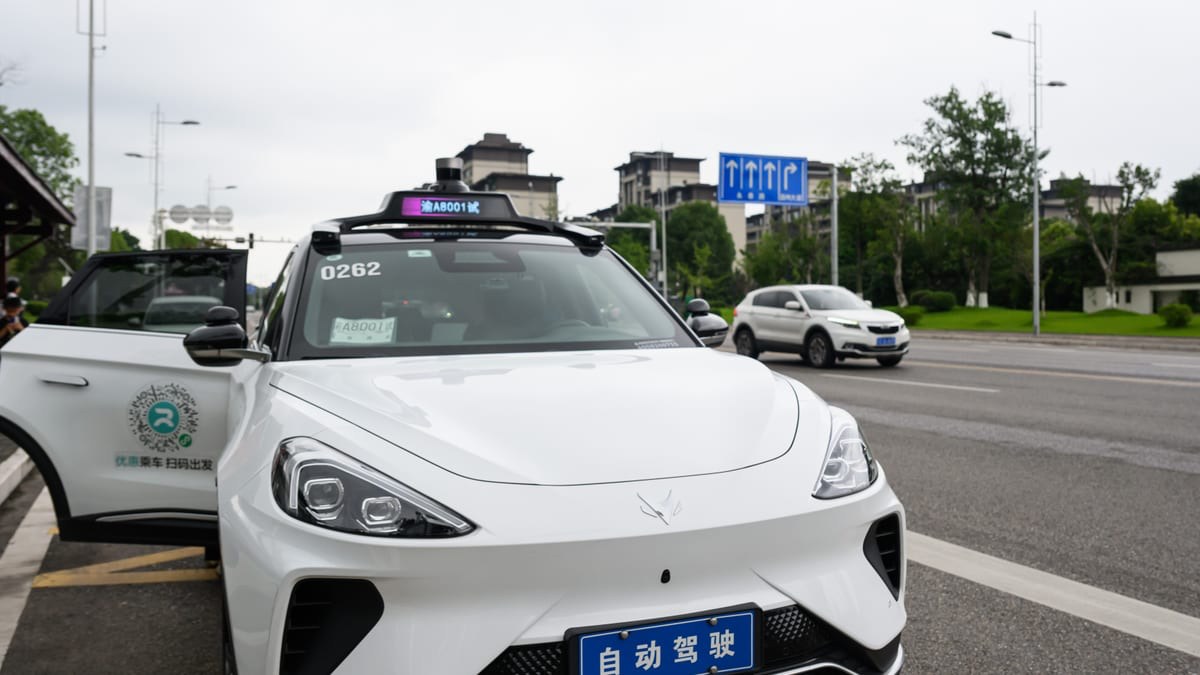
Investigators believe a system failure caused the Apollo Go cars to stop. Baidu has stopped its operations in Wuhan while the police and city experts look for the cause. They need to know why so many cars failed at the exact same moment. If they cannot find a fix, people might lose trust in the idea of a car without a driver.
As Baidu deals with this headache, its rivals say they are doing just fine. Pony.ai told the public that its services are running normally. They have robotaxis on the road in Beijing, Shanghai, Guangzhou, and Shenzhen. They even plan to launch in new cities like Changsha and Hangzhou very soon. Another competitor, WeRide, said its robotaxis are driving without any issues across an area of 1,000 square kilometers (about 386 square miles).
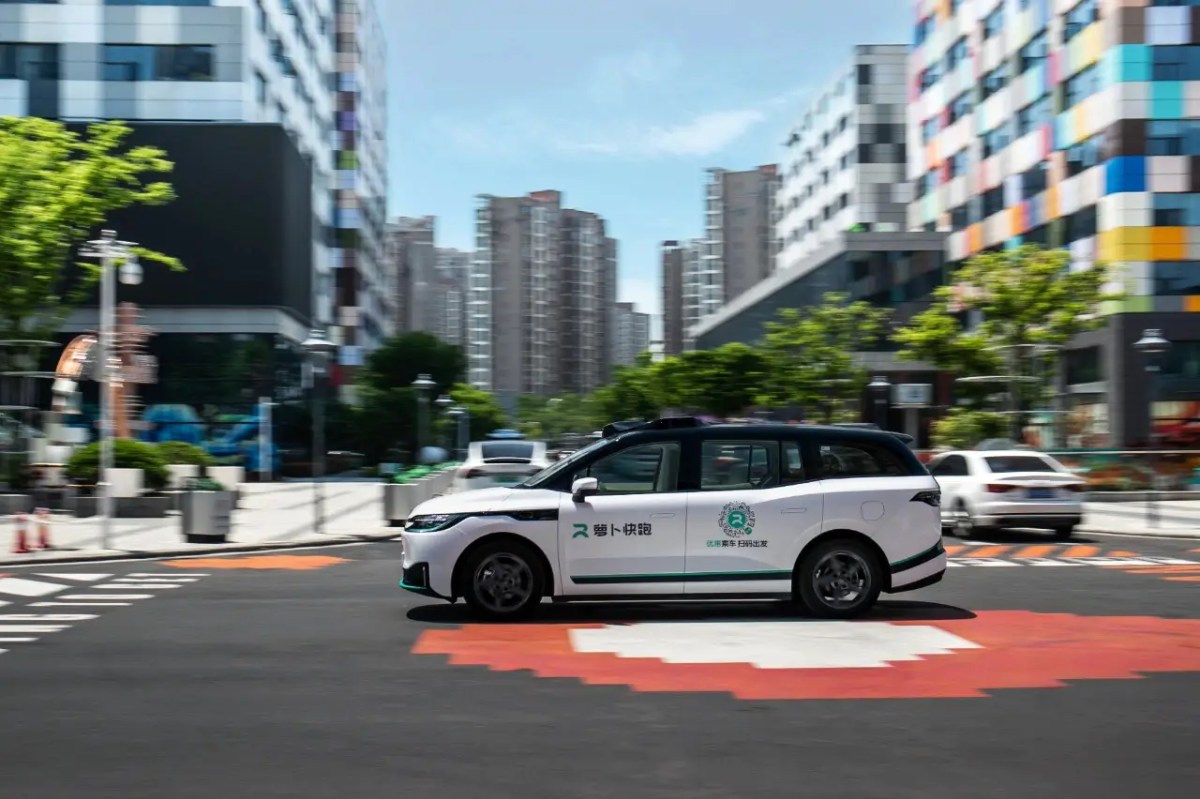
The robotaxi business in China has been moving very fast. By the end of 2025, about 4,500 of these EVs were already on the road. Eight different companies are running them across ten different cities. Before this glitch happened, the market looked like it would only get bigger. A ride-hailing service Caocao, which is owned by Geely, wants to have a fleet of 100,000 robotaxis on the road by the year 2030.
Building 100,000 cars is a giant plan, but safety must come first. The central government in China is now watching these projects much more closely. In the past, local cities made their own rules, but now, everyone has to follow stricter rules from Beijing.
Related


Reader comments
Nothing yet. Be the first to comment.