These future Volkswagen European EVs might be stamped 'Made in China'
Chinese EV makers hadn't made incremental progress in the last few years - they had teleported into a completely different era. One of the first to realize that is Volkswagen. The German auto giant is realizing that engineering fine machinery in Wolfsburg and shipping it to buyers in the East is officially coming to an end.
German newspaper Handelsblatt reported that Volkswagen has started an internal feasibility study to reverse the historical flow of technology. Instead of exporting German engineering to Shanghai, VW is exploring bringing its China-developed, "China-speed" electric and hybrid models straight back to European showrooms.
Whether that means importing complete vehicles or retooling European assembly lines - like the Zwickau plant in Germany - the underlying logic is unmistakable: if you cannot beat the development pace of the Chinese EV ecosystem, you embrace it. With that in mind, which of the China-made electric VWs are most likely to show up in Europe?
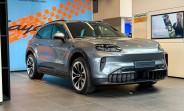
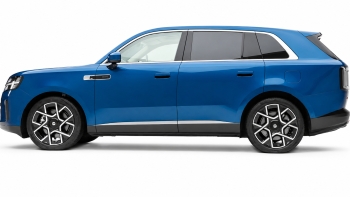
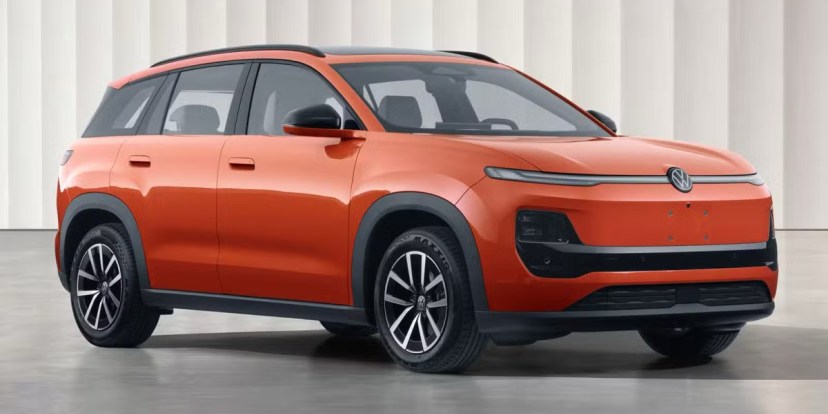
At the sensible end of this potential cross-continental invasion sits the newly revealed ID. Era 5X, a five-seat pure electric SUV built by SAIC-Volkswagen. It is VW's first global product underpinned by the China-specific Compact Main Platform (CMP) - a budget-conscious architecture co-developed with Xpeng - and the China Electronic Architecture (CEA).
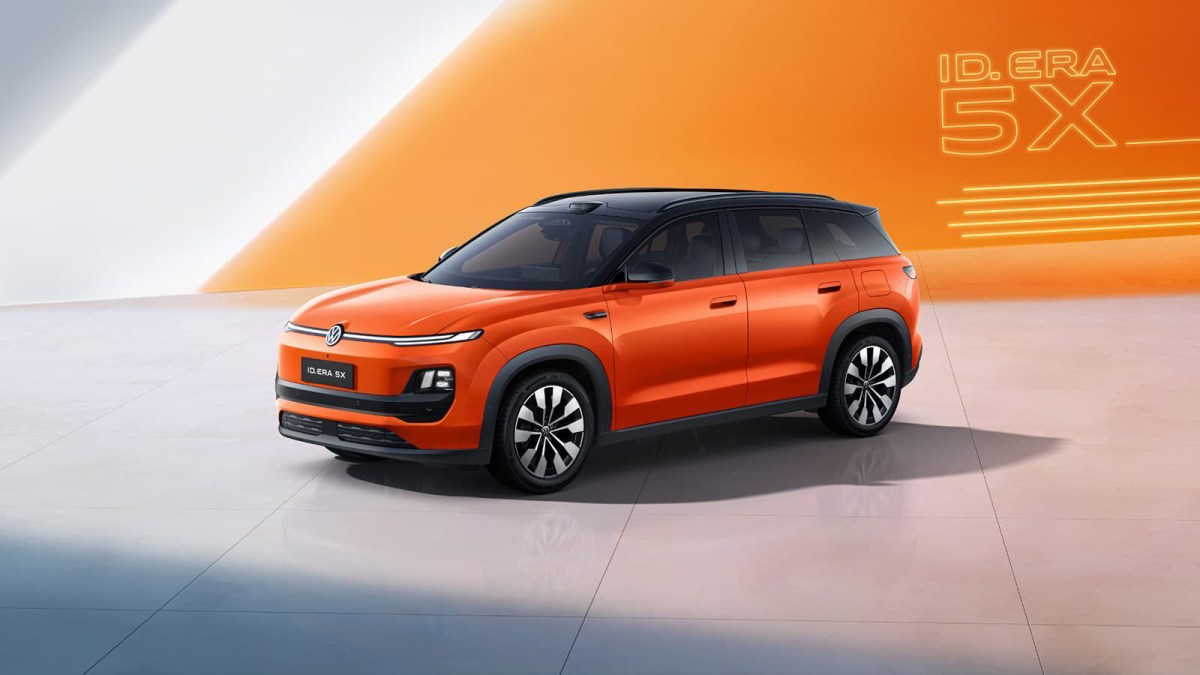
Sized right for Europe's hyper-competitive crossover space, the 5X measures 179.5 inches in length, 74.6 inches in width, and 64.2 inches in height, with a 110.8 inches wheelbase. Power comes from a single 155 kW motor fed by a CATL-supplied LFP battery. It also has LiDAR and a Xingyun ADAS capable of urban Navigate on Autopilot - software tricks that could give traditional European offerings a serious run for their money.
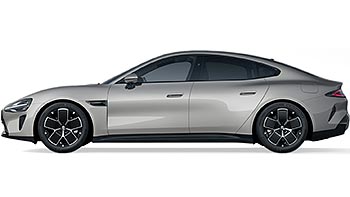
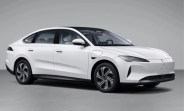
If pure electrics face regulatory speed bumps, the ID. Era 5S plug-in hybrid sedan offers a clever alternative. At 190.4 inches long, 74 inches wide, and 59.3 inches tall with a 108.9 inches wheelbase, it sits slightly tighter on the road than a European Volkswagen ID.7. It has a 1.5-liter petrol engine producing 80 kW (107 hp) teamed with a 130 kW (174 hp) electric motor. It delivers a pure-electric range of 99 miles under Chinese CLTC testing, but SAIC-Volkswagen claims it can cover over 1,240 miles, sipping 0.1 ft³ of petrol per 62 miles when the battery runs flat.
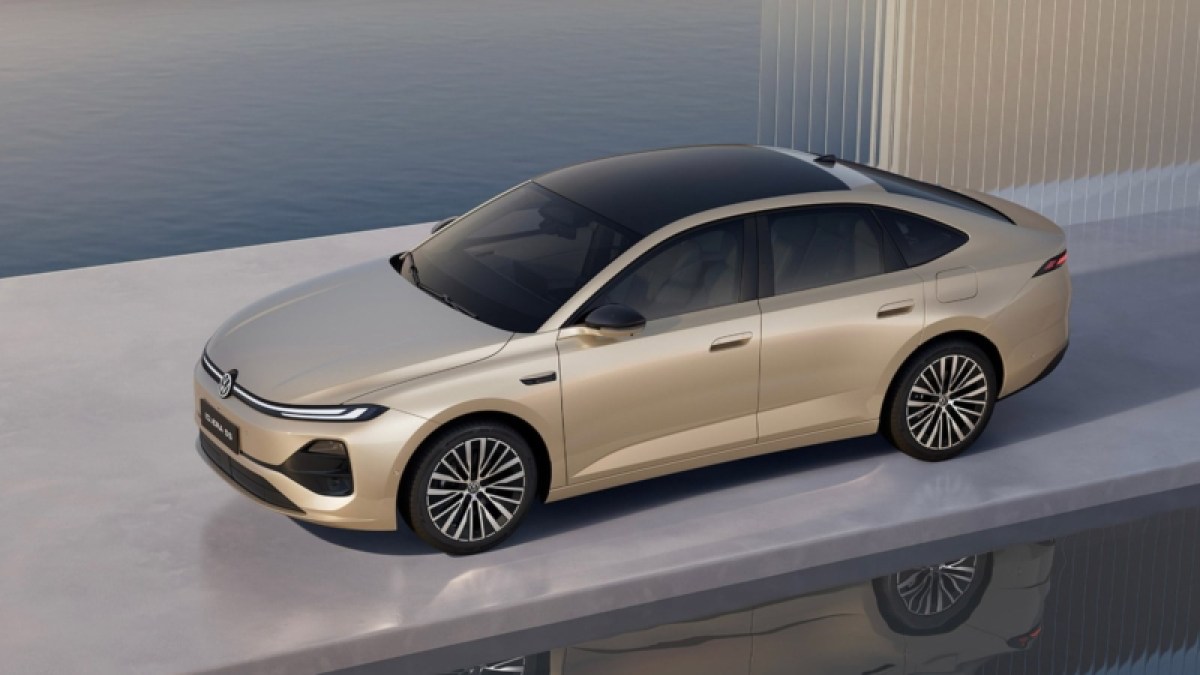
That hybrid setup puts the 5S directly in the hottest tactical zone of European sales. Chinese carmakers have taken the continent's PHEV market by storm, led by the BYD Seal U DM-i - which claimed the title of Europe's top-selling plug-in hybrid - followed closely by the BYD Atto 2 and Jaecoo 7, leaving VW's own Tiguan PHEV trailing in fourth place.
Chinese-built plug-in hybrids face only the standard 10% EU import duty, dodging the heavy anti-subsidy tariffs applied to pure BEVs. VW CEO Oliver Blume has publicly urged Brussels to slap tariffs on Chinese PHEVs, but localizing production of a China-engineered car like the 5S in Germany would allow VW to have its cake and eat it too - combining cheap, clever Chinese hybrid tech with European production to dodge levies altogether.
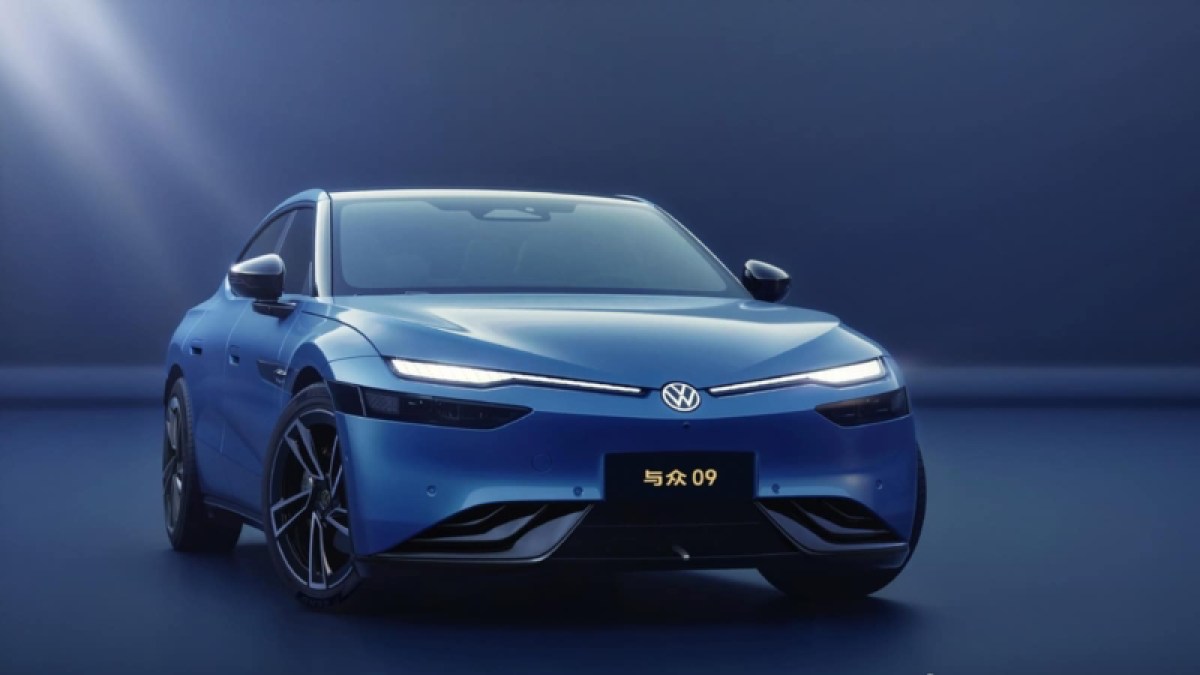
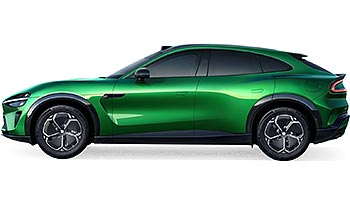
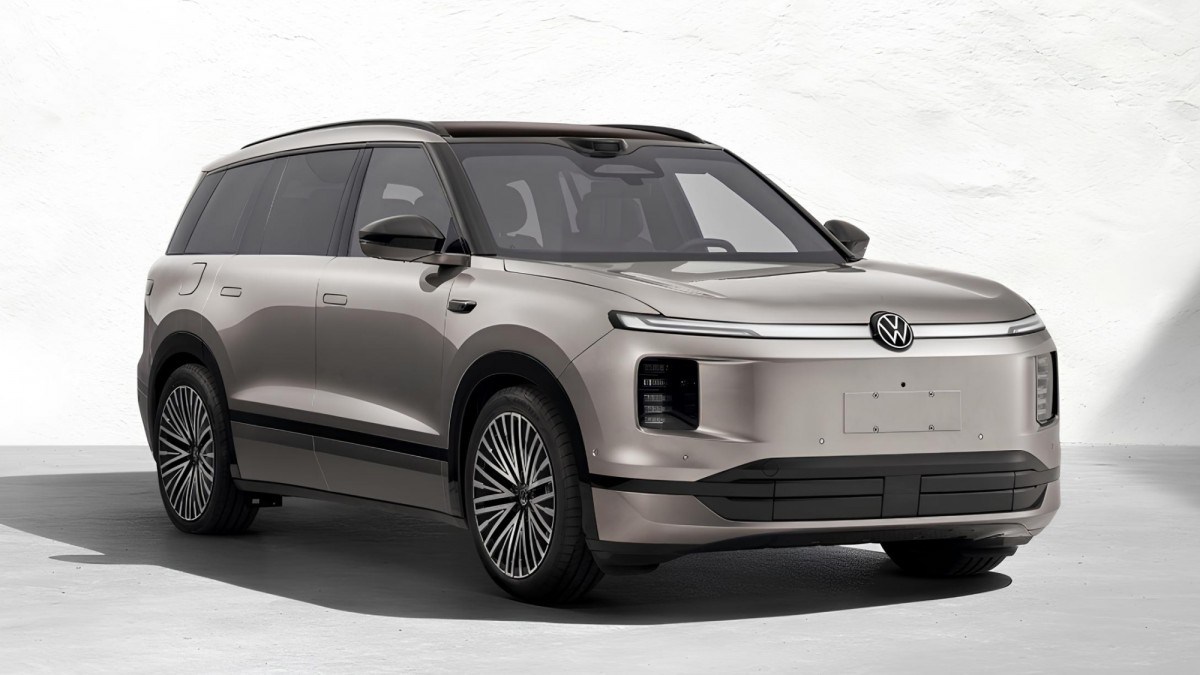
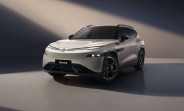
For visual enthusiasm, turn your attention to Volkswagen Anhui's ID. Unyx lineup - starting with the fastback ID. Unyx 09. Co-developed with XPeng in a lightning-quick 24 months, it is easily the most striking Volkswagen design we have seen in a decade. Stretching 200 inches long, 78 inches wide, and up to 60.1 inches tall with a massive 119.3 inches wheelbase, it commands serious road presence.
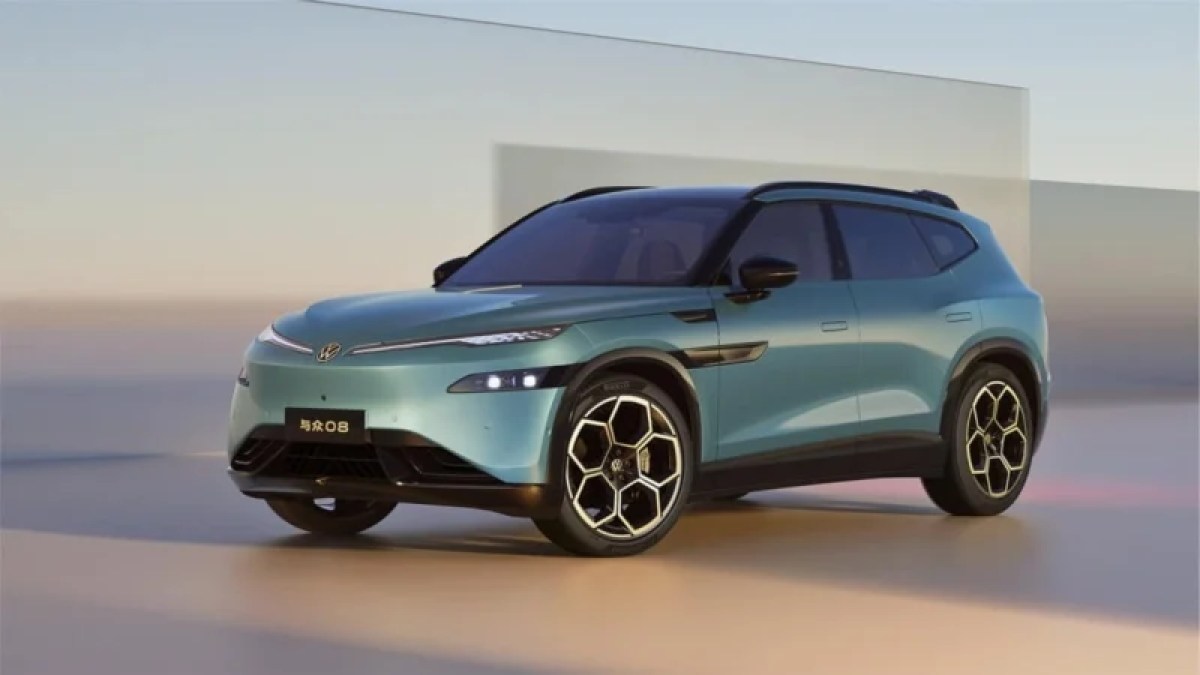
The top all-wheel-drive variant pairs a 230 kW rear motor with a 140 kW front motor to unleash a total of 370 kW (496 hp), turning all four wheels into tarmac-shredding tools. Its SUV stablemate - the ID. Unyx 08 - is already on sale in China ranging from RMB 229,900 yuan to RMB 289,900 yuan ($33,300 to $42,000). With an 800V high-voltage architecture and up to a 95 kWh CATL battery, the 08 sprints from zero to 62 mph in 4.9 seconds and handles up to 315 kW DC fast charging - specs that make legacy European charging times look downright sleepy.
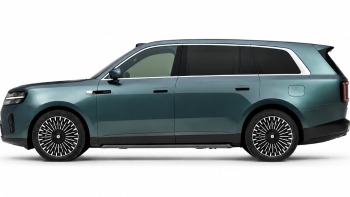
The real heavyweight understudy for European export is the ID. Era 9X. Developed with SAIC, this flagship SUV sells in China between RMB 309,800 and RMB 359,800 ($45,315 to $52,630). It dwarfs conventional family haulers, spanning 205 inches in length, 78.6 inches in width, and 71.3 inches in height, all sitting on a 120.9 inches wheelbase that accommodates a six-seat 2+2+2 seating arrangement.
Instead of relying purely on a massive battery pack, the 9X is an Extended-Range Electric Vehicle (EREV) - where a 1.5-liter turbocharged petrol engine acts strictly as an onboard generator to feed small battery and dual electric motors producing up to 380 kW (510 hp). Outfitted with an 800V system, dual-chamber air suspension, rear-wheel steering, and a total CLTC range of up to 1,026 miles, it truly is a compelling alternative to traditional luxury haulers.
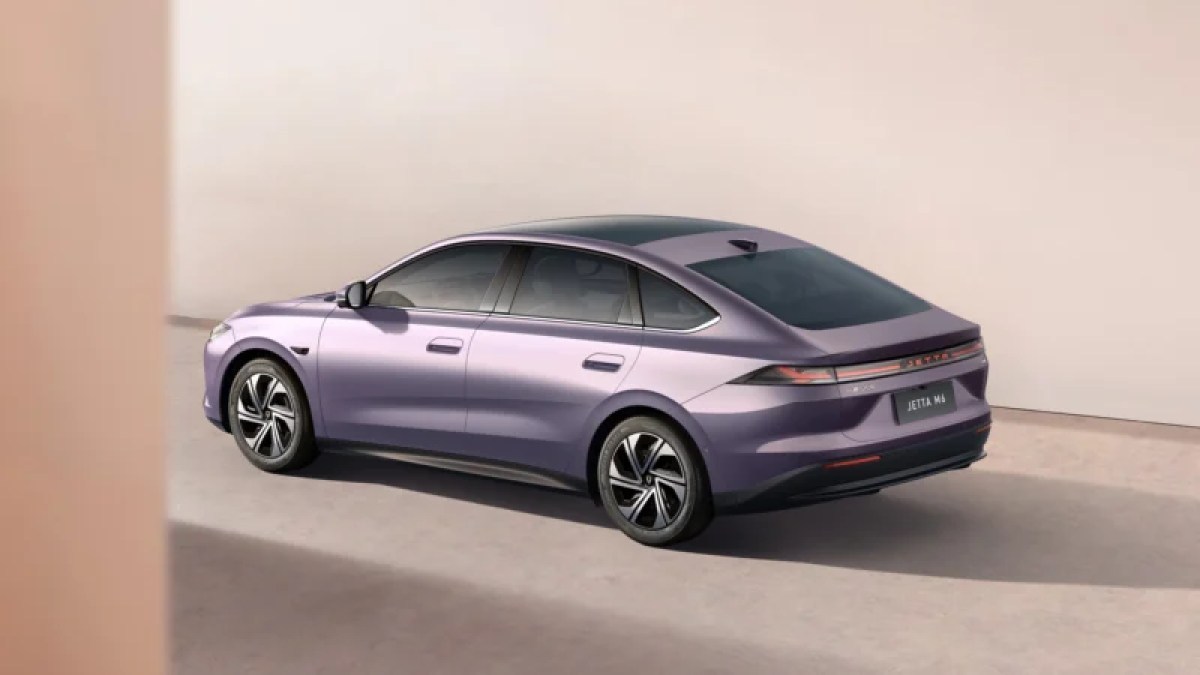
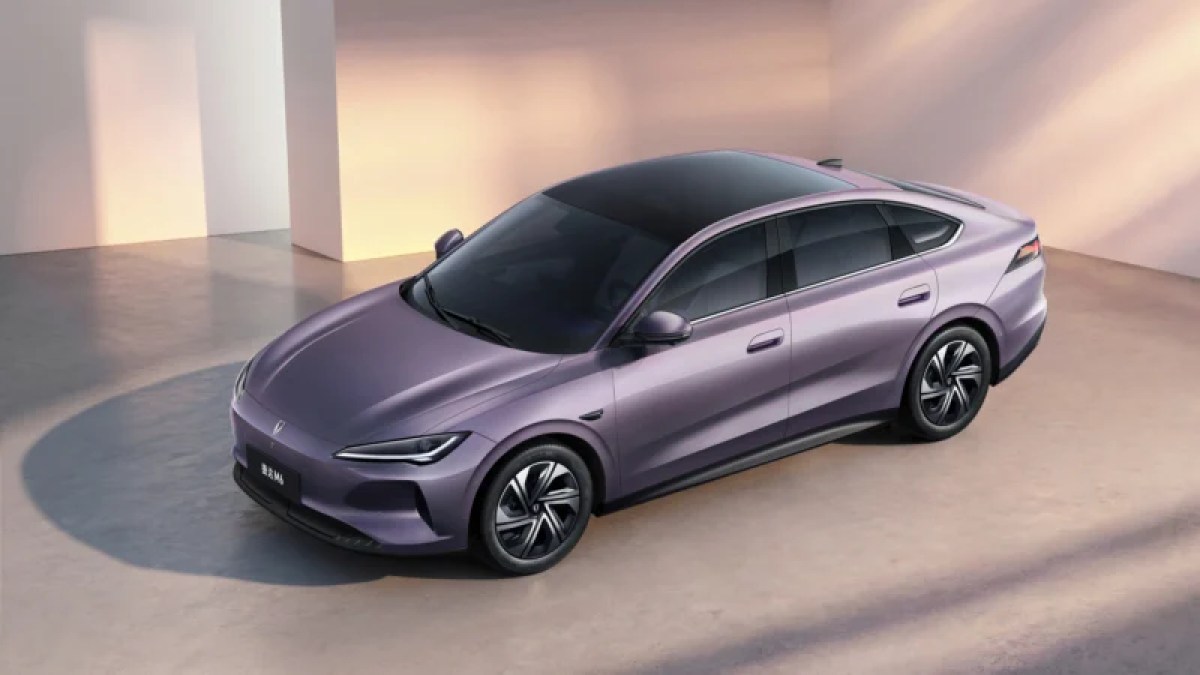
Rounding out the roster of potential imports are the FAW-Volkswagen ID. Aura T6 - a mid-size crossover measuring 189.4 inches long, 74 inches wide, and 64.9 inches high with a 111.7 inches wheelbase - and the entry-level Jetta M6 sedan, which spans 189.2 inches in length, 73.5 inches in width, and 59.1 inches in height with a 111 inches wheelbase.
The budget Jetta brand seems unlikely to cross over given VW's existing lineup of Skoda and Seat models in Europe, but the real hurdle for any of these vehicles will be digital translation. Rewiring Chinese LiDAR platforms, localized infotainment, and autonomous driving stacks to meet stringent European regulations and cybersecurity rules is a mammoth task that could easily slow "China speed" down to a European bureaucratic crawl.
The global auto industry used to operate on a simple, predictable axis for decades: Germany engineered the cars, and the rest of the world bought them. Volkswagen flipping that script on its head is simply a pragmatic choice - tapping into Chinese development speed to dramatically shorten engineering cycles will trim manufacturing costs. But VW isn't defending its turf - it is admitting where the pulse of electric vehicle innovation beats strongest. When these eastern-bred Volkswagens eventually roll onto European roads, it will be the beginning of a whole new era for the world's most iconic badge.
Related
Reader comments
Nothing yet. Be the first to comment.