Brussels wants China to lower PHEV exports or face tariffs
History very rarely repeats itself with the exact same script, but sometimes it does rent the same house. Back in the eighties, European and American markets were sweating over Japanese manufacturing, leading to export limits that dictated how many cars could cross oceans. Today, global trade is at it once more - this time the epicenter is Beijing, and the focus is on the complicated world of hybrid vehicles.
Brussels has officially tapped China on the shoulder, suggesting it might want to put a leash on its hybrid shipments before the European Union's trade enforcers step in with heavy tariffs.
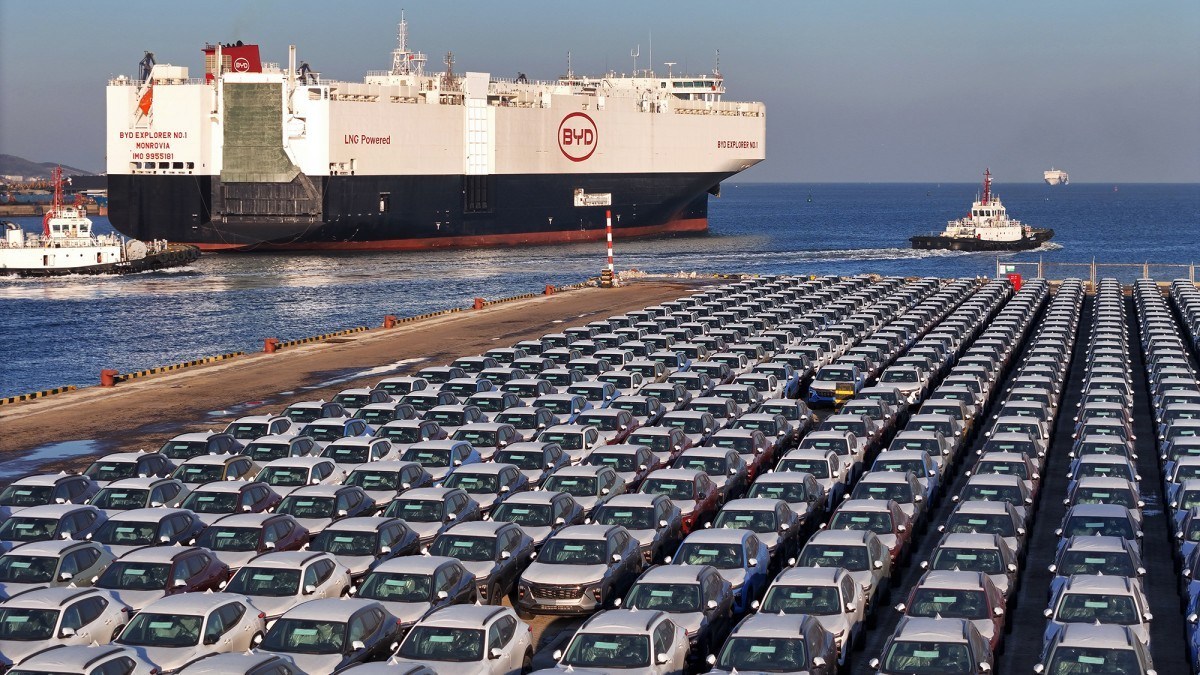
When the European Commission slapped anti-subsidy duties on Chinese battery EVs, the trade flow didn't stop - it diverted into a loophole. Pure EV shipments grew at a slow pace under the weight of those heavy import taxes, but hybrid imports exploded from a handful of units into a monthly deluge. It turns out that a flat ten percent tariff on hybrids is more of an invitation than the steep forty-five percent wall put up for pure EVs.
We can argue about it all day, but hybrids are a compromise - they drag the dead weight of an internal combustion engine bundled with a complex battery pack. Sure - they are the comforting security blanket for drivers who still suffer from range anxiety. But every time a buyer opts for a plug-in hybrid instead of a pure EV, we are kicking the charging infrastructure further down the road, delaying the investments needed to build a strong network of chargers across every corner of the continent.
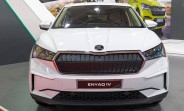
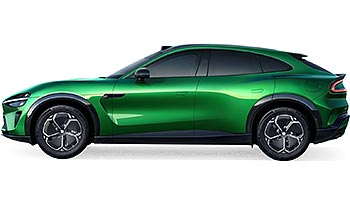
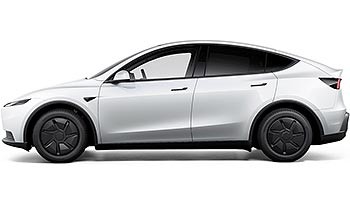
Yes, the prices do play a big role here. The popular BYD Seal U hybrid starts around $45,100, but the similar-sized Volkswagen ID.4 comes with a much steeper entry price of $53,000. The sleek Peugeot e-3008 is hovering near $52,600 - these aren't small price differences that buyers can ignore.
This whole price situation combined with growing imports is a symptom of a macro-economic imbalance that European Commission president Ursula von der Leyen described as having reached a tipping point. We have a daily trade deficit that reveals a fractured commercial relationship. When politicians talk about using every tool to stop deindustrialization, they aren't joking.
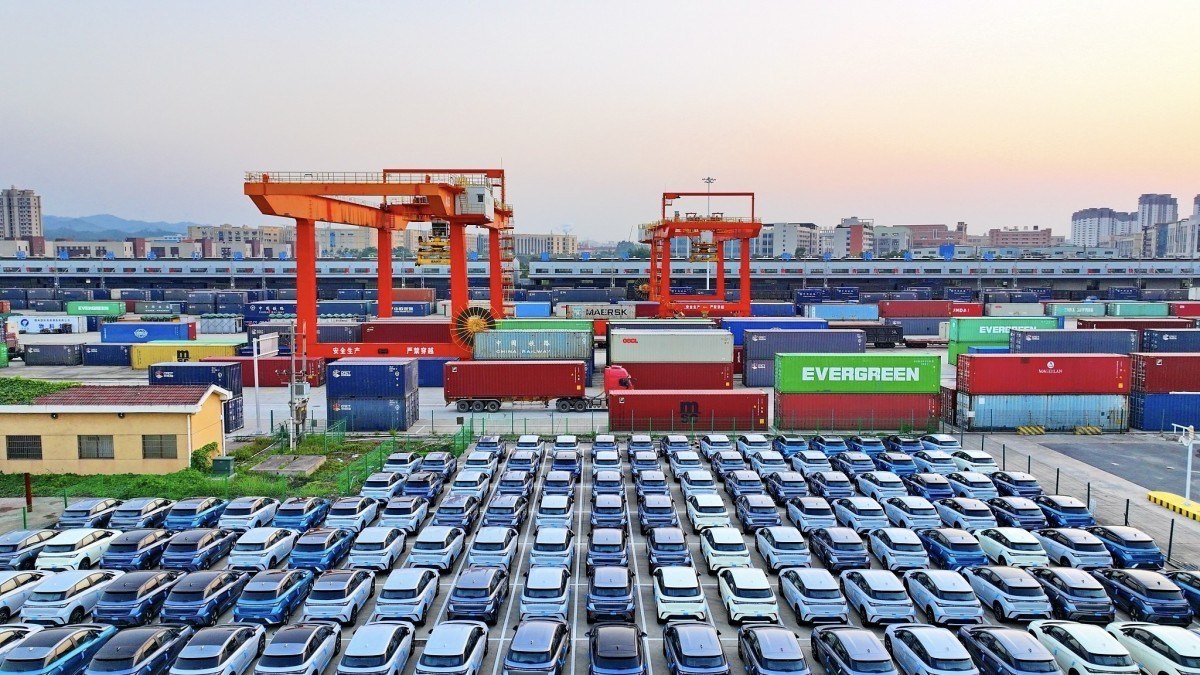
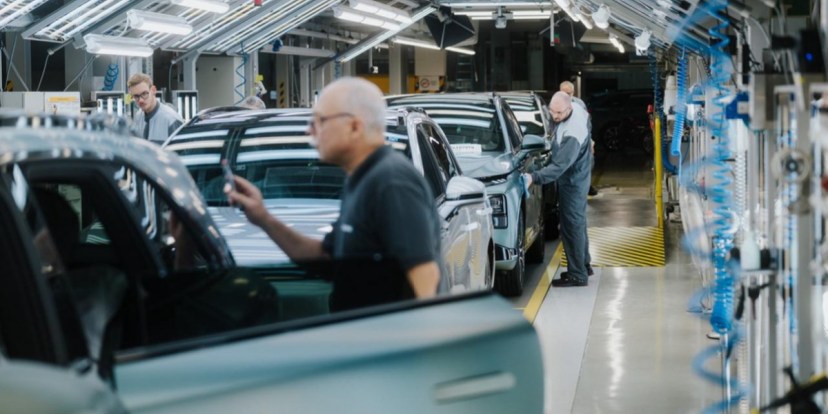
Legacy European automakers, whose transition strategies toward electrification have been slowed by software glitches, sky-high development costs, and bureaucracy, are now faced with a competitor that moves with unmatched speed and ruthless supply chain efficiency.
The idea of asking Beijing to voluntarily restrict exports might sound optimistic, harking back to the Japanese trade agreements of decades past, but it is a calculated gamble. Brussels is offering China a choice: manage your own export volumes, or watch us slap you with tariffs similar to those already levied against your pure electric fleet. The EU is trying to enforce managed trade before full-scale economic warfare erupts, buying time for European giants to re-tool their factories and figure out how to build affordable electric vehicles without losing their shirts on every single unit sold. Though that last bit starts to look hopeless.
Adding fuel to this fire is the reality of running a car in Europe today. Fossil fuel prices at the pump are ridiculous, making pre-pandemic costs look like ancient history. Even hybrids and EREVs, with their clever fuel-sipping wizardry, are becoming increasingly expensive to feed, turning public sentiment toward the idea of pure electric motoring.
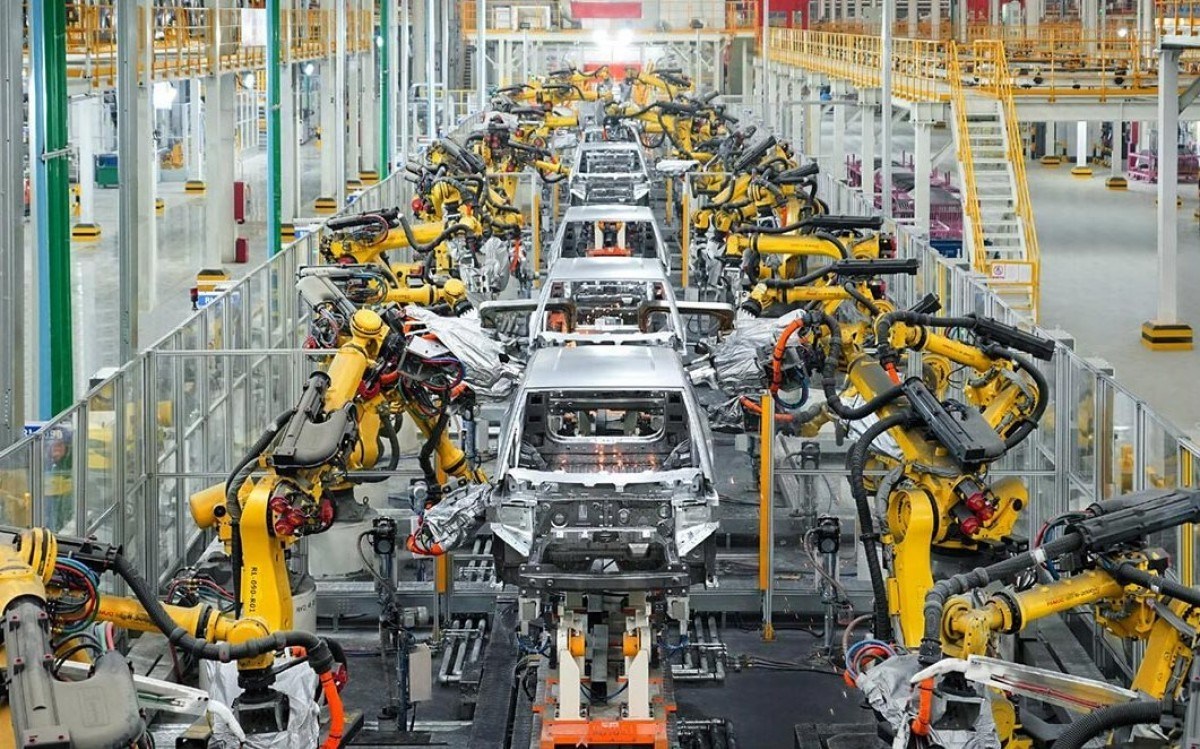
This is why this political standoff is so important to anyone who cares about the future of the car. If we allow the market to be flooded with cheap, imported hybrids, we are muddying the waters of the energy transition. Car buyers who go for a hybrid convince themselves they have done their green duty, letting local governments and energy providers off the hook from building out the high-speed charging networks we desperately need. We do not need more complicated dual-powertrain compromises - we need genuinely affordable pure electric cars backed by bulletproof infrastructure that actually works when you plug in.
As trade commissioner Maroš Šefčovič packs his bags for high-stakes meetings in Beijing, the outcome of these negotiations will impact European mobility at least for another decade. Let's hope China agrees to slow down its hybrid exports and channel resources into building manufacturing plants on European soil - much like the Japanese pioneers of old. But if the talks break down, expect a tariff tit-for-tat that will escalate trade tensions way beyond the automotive sector, pulling in everything from chemical exports to agricultural goods in a messy diplomatic brawl that nobody wins.
The way forward needs a delicate dance between protecting domestic jobs and a zero-emissions future. We want to see a market filled with affordable electric cars that make owners smile, without bankrupting them or destroying the local industrial base. The golden age of easy market expansion truly is over, and the battle for the electric soul of Europe is only getting started.
Related

Reader comments
Nothing yet. Be the first to comment.