Nissan is sending an old Leaf into Cambridge chaos
What's the ultimate trial by fire for an autonomous vehicle? It's definitely not the perfectly laid out boulevards of Phoenix, Arizona. Apart from the busy streets of Beijing, the next best place apparently is Cambridge.
Anyone who has ever tried driving through this historic English university town knows the horror: medieval carriageways narrower than an open umbrella, delivery vans parked on blind bends, and thousands of distracted students on rusty bicycles swarming like angry bees. If you ever needed a definition of the word "bedlam" - this is it. And this crazy web of cobblestones and tourists is where Nissan has decided to run its autonomous mobility experiment.
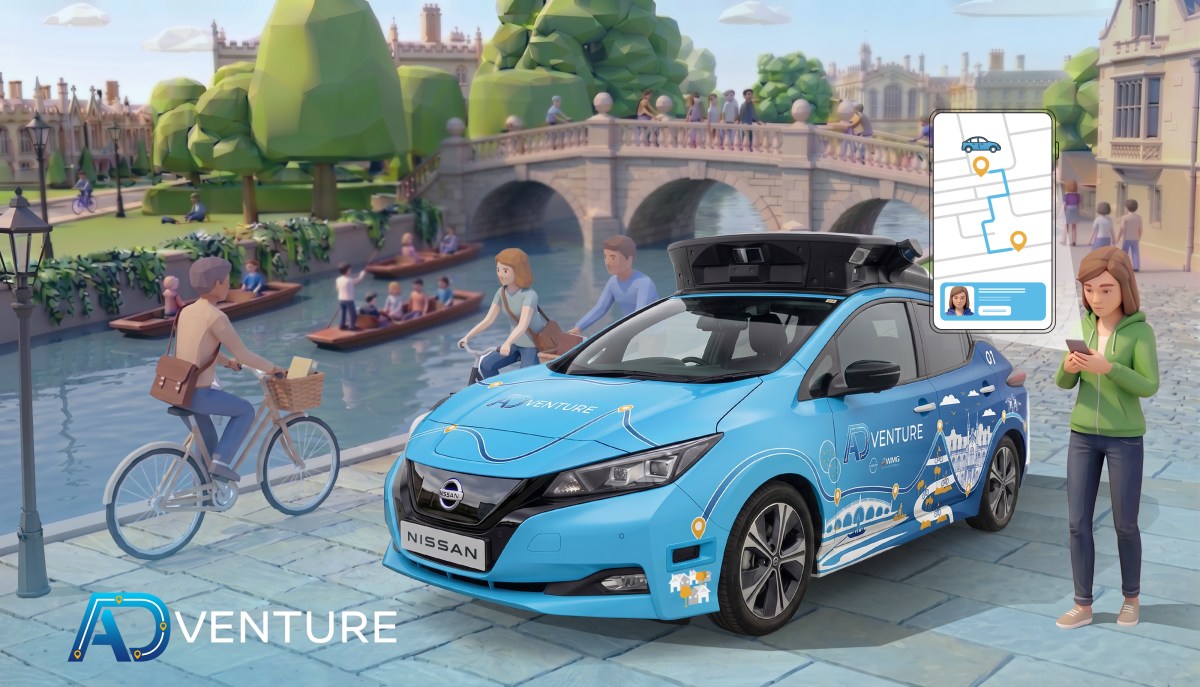
The project goes by the name 'ADventure', and behind its cheery title sits a serious $4 million effort backed by the UK Government's Department for Business, Innovation, Science and Trade. The entire consortium involves Advanced Propulsion Centre UK (APC), Innovate UK, academics from Warwick Manufacturing Group (WMG), and the clever people from PAVE UK.
Nissan decided that rather than chasing the Silicon Valley idea of replacing drivers with fleets of robo-taxis, it is better to focus on a far more grounded dilemma. Nissan wants to see whether autonomous passenger services can actually integrate into real-world communities - answering the question of how to shuttle an elderly resident or a non-driver to a hospital appointment without scaring the pedestrians.
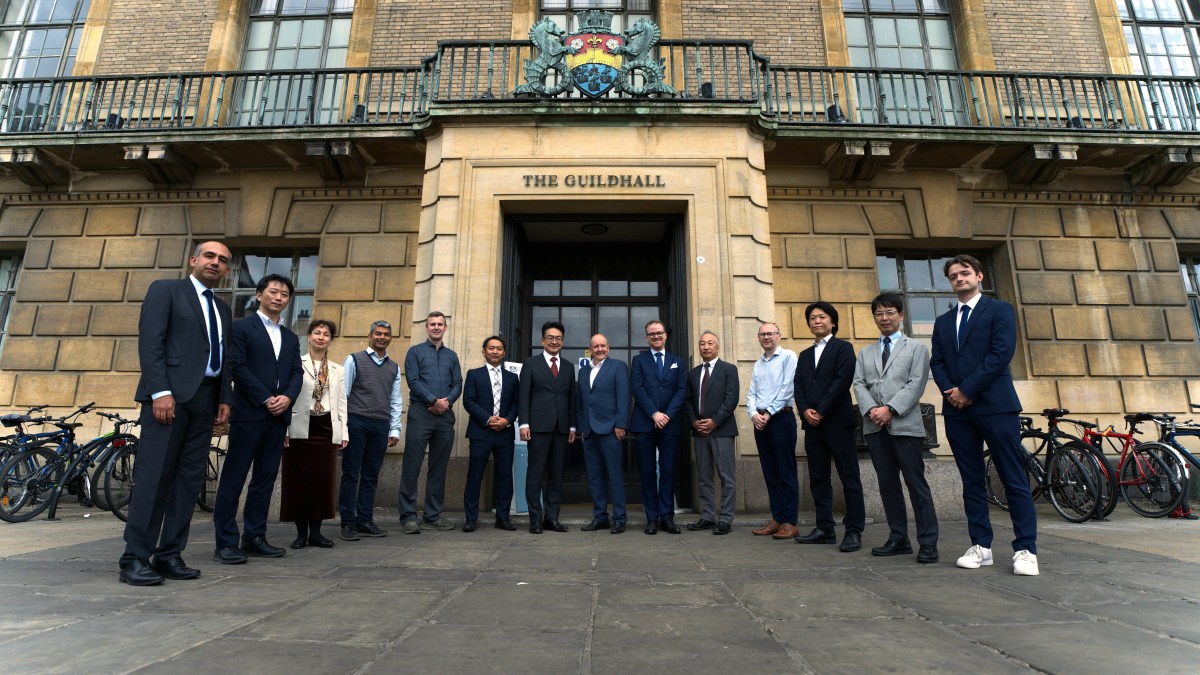
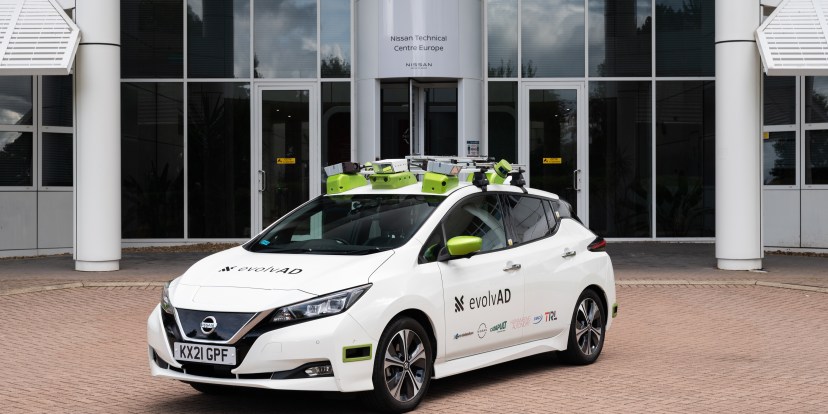
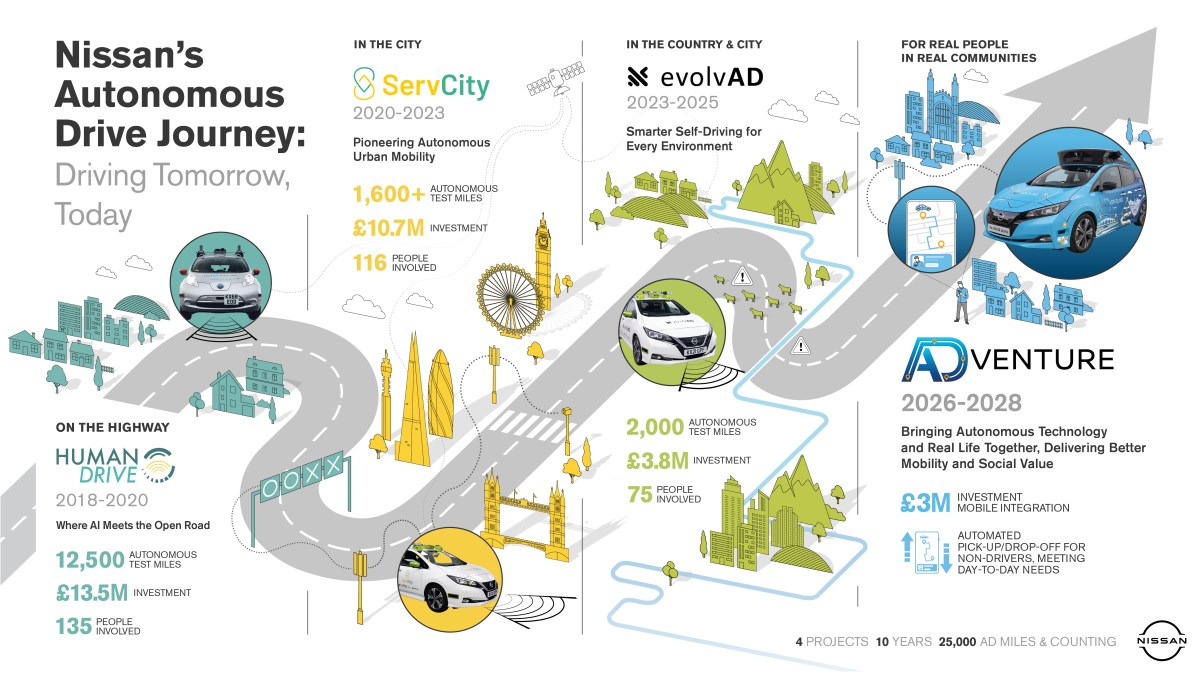
For this specific task, Nissan has deployed a veteran - a specially equipped 2022 Leaf. An unassuming second-generation Leaf with roof pods, a bunch of radars, and LiDAR sensors feels a bit like a trusty family golden retriever getting drafted into the SAS, but this approach is pure genius. Engineers at Nissan Technical Centre Europe (NTCE) in Cranfield have spent over a decade perfecting this platform across previous UK research initiatives like HumanDrive, ServCity, and evolvAD. Reusing a road-legal production vehicle means ordinary people can actually live with it.
The project will be guided by Professor Siddartha Khastgir and his safe autonomy crew at WMG. These guys understand that real driving is not a mathematical exercise - it's an ever-evolving list of subtle social cues and informal negotiations. When two cars meet on a single-lane street outside King's College, who goes first? Humans communicate with a quick flick of the high beams, a wave, or a quick nod.
An autonomous system cannot simply slam on the brakes and freeze in panic every time a cyclist filters down its side. If it drives like a learner terrified of its own shadow, it will choke Cambridge. If it drives with robotic indifference, public acceptance will literally fall off a cliff. Building passenger confidence means teaching software to behave like a polite, but assertive chauffeur.
There is quite a symmetry to Nissan taking on this project. Back in 2010, when the original bubbly, bug-eyed Leaf first rolled off the line, the mainstream motoring world treated battery-powered transport with deep skepticism. Nissan was the brave pioneer that gambled billions to prove an electric car could handle the daily grind, assembling them in the UK at their Sunderland plant. But over the decade that followed, Nissan somewhat lost its early electric mojo, and let rivals leapfrog it. Clearly, Nissan wants to remind everyone that it never stopped innovating.
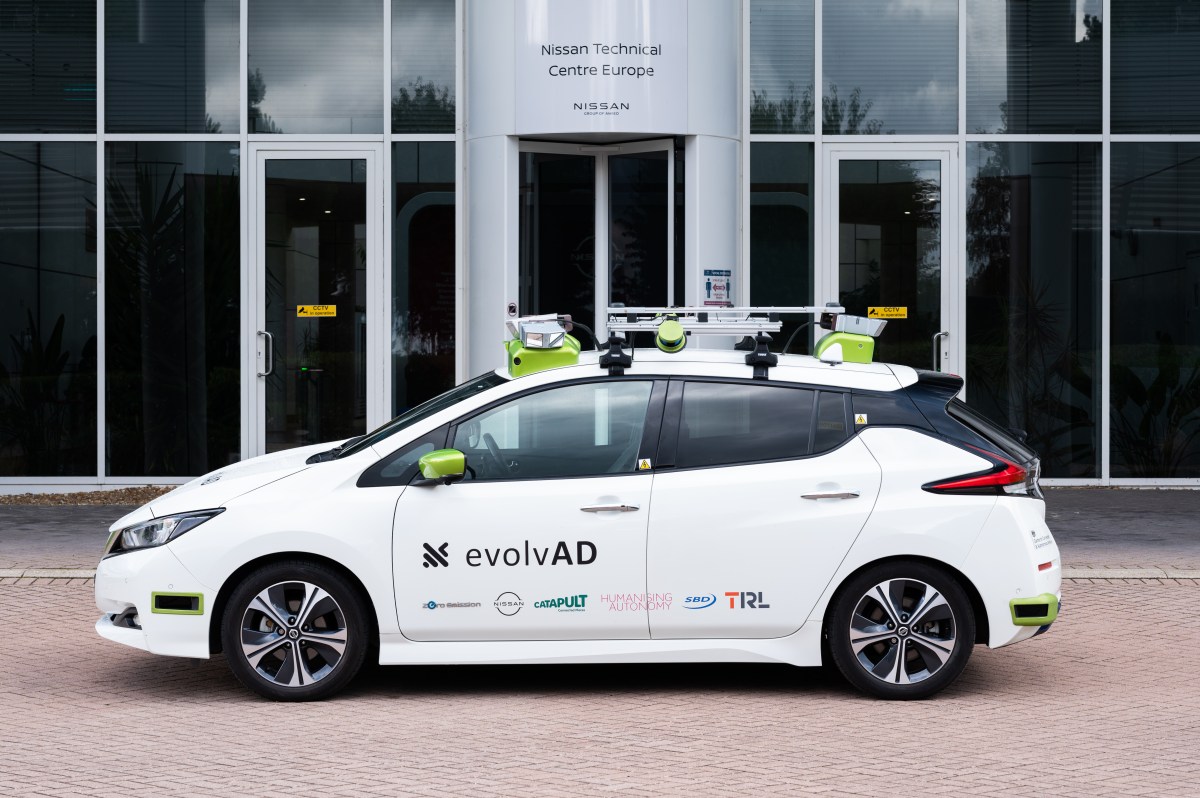 Nissan is reusing the 2022 Leaf from the previous project ''evolvAD''
The Cambridge trial also fits neatly with a seismic shift in British regulatory policy. Minister for Reindustrialisation Blair McDougall and the UK Government have tied initiatives like ADventure into the new Modern Industrial Strategy focused on developing connected and automated mobility on British soil. With the Automated Vehicles Act setting up a legal regime for 2027 - and pilot schemes already easing restrictions on driverless road testing over the coming 12 to 18 months - the UK is determined not to play second fiddle to the United States or China.
It is surprisingly easy to look at these developments with cynical detachment. But consider the alternative - nobody wakes up on a rainy Tuesday morning burning with passion to crawl along an urban ring road, dodging delivery mopeds and getting stuck at endless sets of temporary traffic lights. Handing over that drudgery to a calm, electric brain does not murder car culture. I actually think it saves it. If autonomous runabouts can handle the tedious urban chores, local authorities have far less reason for bans on personal cars, leaving the B-roads free for us to enjoy on Sunday mornings.
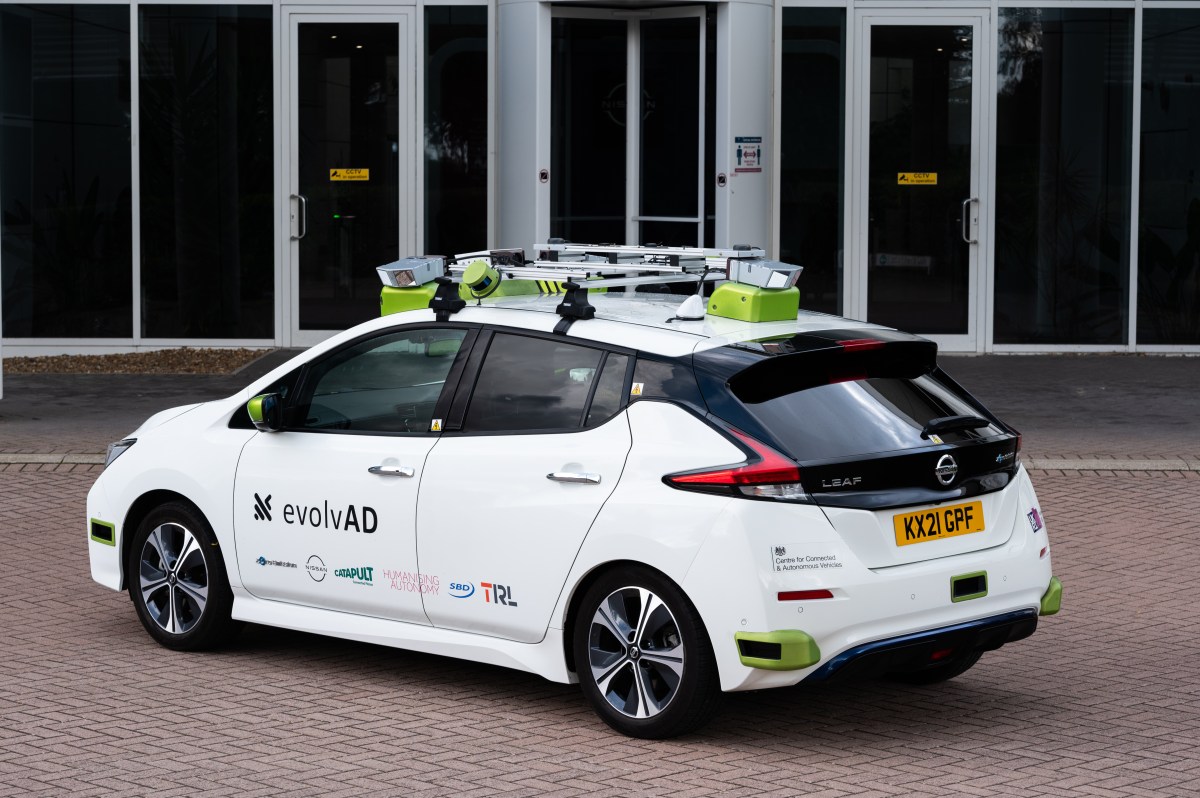 Nissan used the Leaf in the previous project ''evolvAD''
As ADventure inches toward its public demonstration across Cambridge, it delivers a much-needed dose of British pragmatism in a sector addicted to theatrical tech-bro promises. No vaporware claims of fully hands-off driving across the continent by next week here. Instead, you have an honest electric hatchback, a consortium of dedicated engineers, and the wet cobblestones of Cambridgeshire. Honestly? Watching this blue family hatchback outsmart the bedlam of British rush-hour traffic is the most impressive trick Nissan has pulled off in years.
Related



Reader comments
Nothing yet. Be the first to comment.