Xiaomi Auto loses RMB 3.4 billion in Q3 - and why that’s a good thing
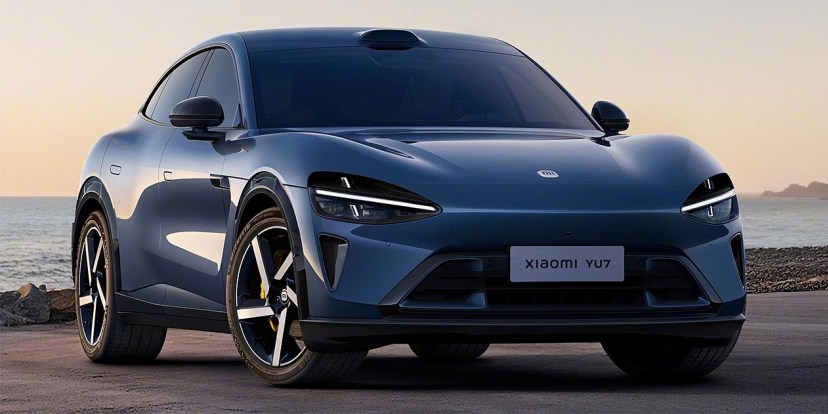
Xiaomi's auto division dropped its third-quarter financial results for 2026, and if you only read the top-line numbers, you might assume the wheels are coming off this shiny wagon. The company's new energy vehicle revenue tumbled 19.9% year-over-year down to RMB 22.7 billion. The newly expanded NEV, AI, and other new initiatives segment posted a rather bruising operating loss of RMB 3.4 billion.
Legacy auto executives in Detroit and Wolfsburg are probably passing these figures around the boardroom right now, hoping this signals the end of the Chinese EV threat. It doesn't. Xiaomi still managed to deliver 100,975 vehicles in a single quarter. And let's not forget that this tech company has been manufacturing cars for exactly half a decade - the precise amount of time it takes a traditional automaker to design a mid-cycle bumper facelift and update the infotainment screen on an existing crossover. Moving over a hundred thousand cars in three months proves their manufacturing lines are running at a serious pace.
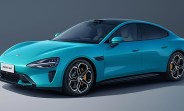
We need to put that RMB 3.4 billion loss into proper context because this isn't money lost to manufacturing inefficiency - it's a huge expansion tax. The Chinese domestic passenger vehicle market has been an absolute grind this year, with retail volumes plunging 24% year-over-year in the third quarter. Xiaomi attributed its own NEV revenue dip to fewer total deliveries and a shifting product mix, specifically noting a lower contribution from the expensive SU7 Ultra.
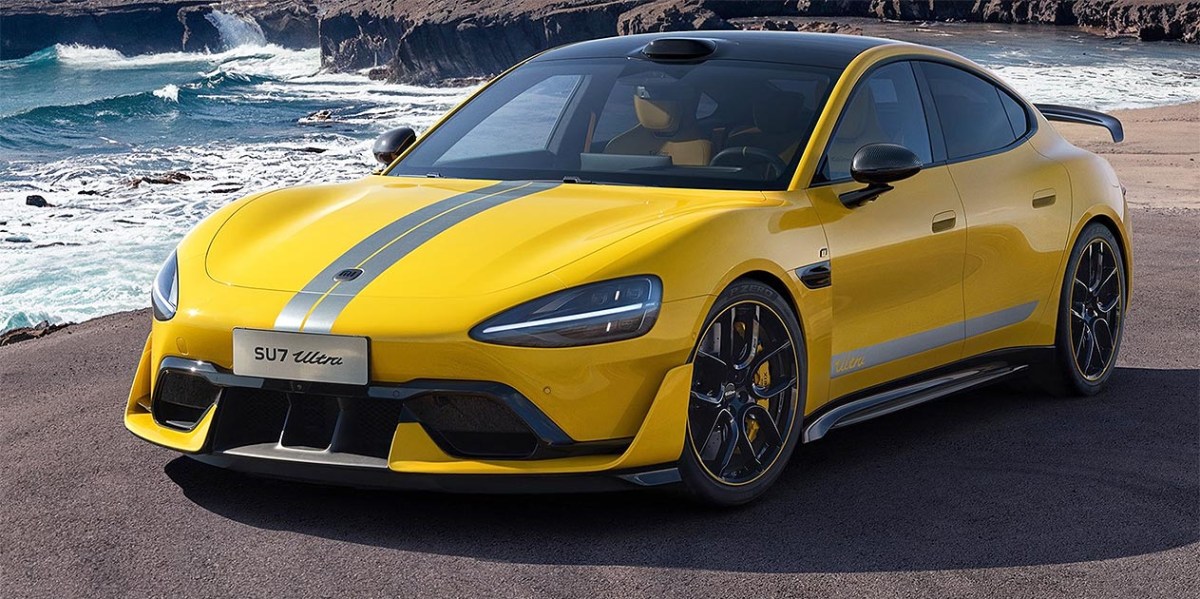
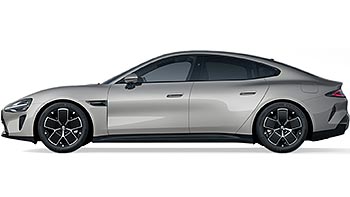
That halo car, which packs enough electric torque to compress your ribcage against the seatback on a hard launch, was never meant to be a volume seller. It exists purely to build the brand's performance credibility on the world stage. Rather than retracting in a shrinking domestic market, Xiaomi is spending its way out of the slump. Out of roughly RMB 3.6 billion in total third-quarter capital expenditures, a massive RMB 2.3 billion was injected into the automotive and AI segment. They're laying the groundwork for a global logistics network that most EV startups couldn't dream of funding.
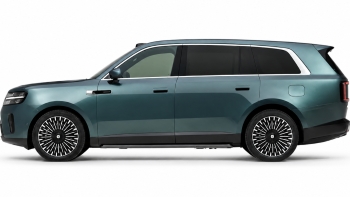
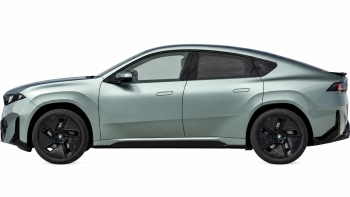
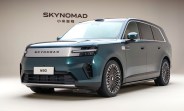
You can see that strategy paying off with the launch of the Xiaomi SkyNomad Series. Dropped onto the market in September, this lineup of four extended-range SUVs - the N70 Pro, N70 Max, N90 Max, and N90 Max Studio - takes on premium family haulers. Prices kick off at a highly disruptive RMB 209,900 and top out at RMB 299,900. The market response was immediate - they secured 10,000 locked-in orders in the first four minutes of sales. By the time the first month of sales wrapped up on October 7, that order book had swollen past 70,000 firm commitments.
That domestic success is funding a very fast international rollout, starting right now in the Middle East. Presales have already opened in the UAE through a local distributor - this is the first time Xiaomi's EVs are officially sold outside China. They aren't tiptoeing in, either. They dropped the SU7 sedan, the YU7 SUV, and the new SkyNomad directly into the Dubai market. A base SU7 Standard will run buyers 169,900 AED, which works out to about $46,260. Even with the export markup - roughly 40% higher than what buyers pay in Beijing - it undercuts equivalent luxury EVs from Mercedes and Audi. First deliveries are scheduled for December. Xiaomi is using the UAE as a high-stakes beta test to figure out international shipping, parts distribution, and real-world after-sales support before they tackle the final step.
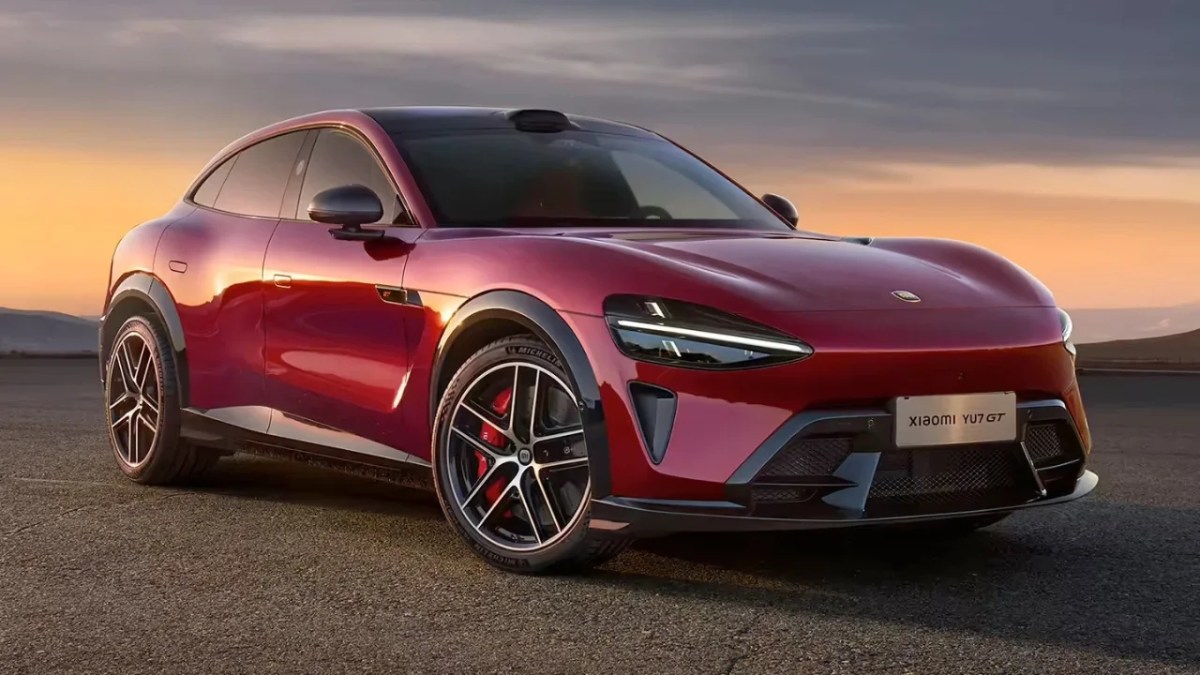
That final step is Europe, and the invasion is already scheduled for 2027. At the IFA Berlin expo in September, Xiaomi signed memorandums of understanding with eight major German automotive dealer groups. They bypassed the direct-sales model that crippled many EV startups and went straight to the established retail kings. Germany, Italy, Spain, and Sweden are first in line for the European rollout next year. Following that, the company is actively recruiting a UK dealer network chief and a marketing head in London - the plan is to start right-hand drive production in early 2028.
Building cars is tricky, but keeping them on the road is what actually defines a brand's survival. Xiaomi understands that Western buyers might hesitate to drop premium cash on an EV built by a company famous for budget vacuum cleaners and earbuds. To counter that, they launched the Xiaomi Armor Scale Battery Safeguard Plan (I wish they used a shorter name) in September. It hands original owners of non-commercial vehicles a complimentary battery safety warranty. That's a smart way to buy trust in regions where consumer protection laws are strict.
Interestingly, the newly renamed "NEV, AI, and other new initiatives" segment saw a huge 68.9% spike in other related revenue, hitting RMB 1.2 billion. That growth was directly tied to after-sales services and AI integration. The gross margin for the auto segment did slip to 19.2% this quarter, down from 25.5% last year.

They blame that margin squeeze on lower SU7 Ultra sales, spiked component pricing, and heavy AI investments. Most traditional carmakers would panic at a 19.9% revenue slide combined with shrinking margins. Xiaomi doesn't flinch. They have the massive war chest of their consumer electronics empire to subsidize this cash-burning land grab. They're buying global market share for the next decade. The infrastructure they've constructed in such a short window is impressive to watch. As of September, they were operating exactly 520 NEV sales centers across the Chinese Mainland.
I think the old guard has completely run out of time to catch up - we're watching a masterclass in market disruption play out in real time. The third quarter of 2026 might look like a financial bloodbath on a spreadsheet, but pull back and look at the actual trajectory. They have a massive SUV hit on their hands with the SkyNomad, they're loading vehicles onto transport ships bound for the UAE, and they've already planted flags in Munich and London. By the time European brands finalize the headlight design for their 2030 electric platforms, Xiaomi will likely be launching its third generation of cars.
Related

Reader comments
- Anonymous
Think about it, We blow the centre of earth murian wont know he ever existed.
- 4 hours ago
- 7wC
- Anonymous
Like it was written by a xiaomi stock bagholder saying "no no dont worry it will go back up, 35% down ytd isnt a problem, theyre just investing a lot"
- 4 hours ago
- ny1
- Anonymous
This is East streching its wings above and over west, and this is a non neg settlement.
- 4 hours ago
- gM%