Tesla defies analytics with Q3 delivery numbers but still misses the mark
With crude oil prices marching upward, courtesy of the geopolitical situation across the Middle East, drivers who spent the last two years swearing they would never touch a charging cable are wincing at the fuel pump and reconsidering their options.
Tesla's third-quarter delivery numbers for 2026 are a perfect example here. The finance people had already sharpened their knives, predicting an ugly post-subsidy hangover after the federal $7,500 tax credit in the United States expired on September 30 of last year. Wall Street agreed that Tesla's total global deliveries would land at 461,974 vehicles. Instead, Tesla delivered 486,532 cars, beating expectations by 24,558 units. Sure, it is a 2.1% dip compared to the record-setting rush of 497,099 deliveries during the same period in 2025, but it is an encouraging 1.3% gain over the second quarter.
Over the quarter, Tesla produced 464,391 vehicles, meaning deliveries actually outpaced factory output by 22,141 units. This is the second consecutive quarter where the automaker has worked down its stockpiles, clearing 50,000 surplus vehicles that sat gathering dust in holding yards earlier this year. Clearing that stock without resorting to panic discounts is a tidy logistical cleanup, even if Tesla did quietly secure a $30 billion credit facility in the background to ensure its expansion war chest stays well insulated.
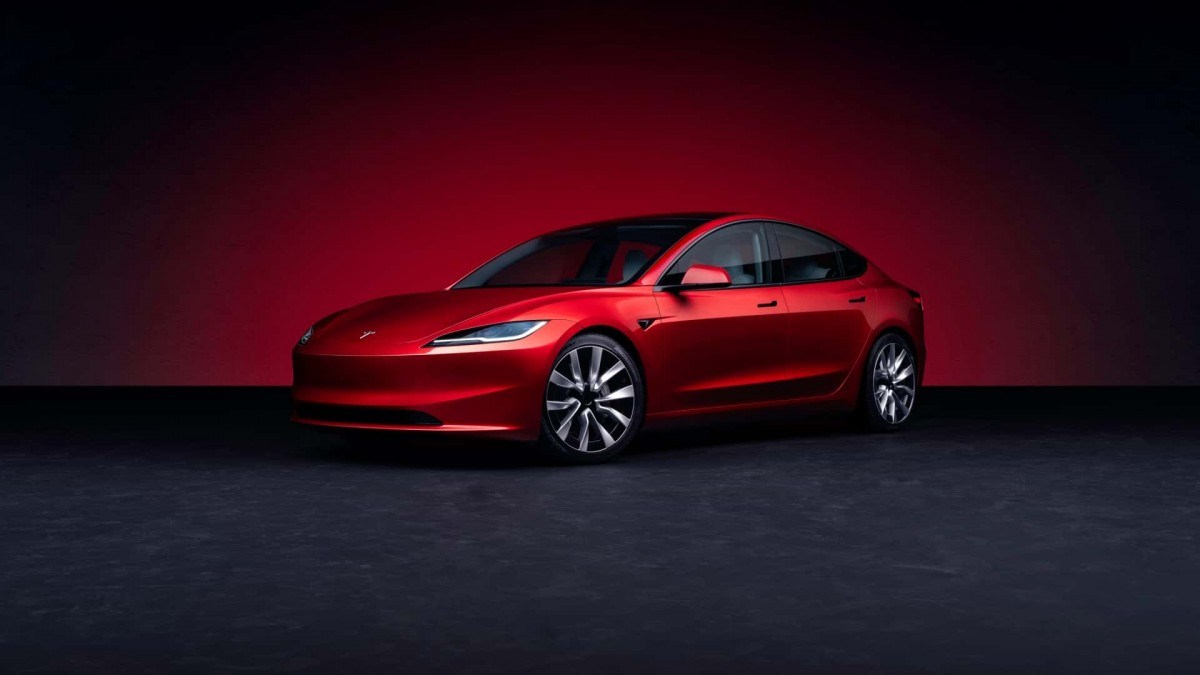
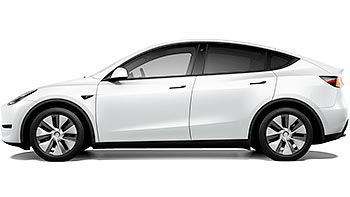
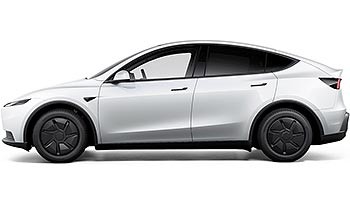
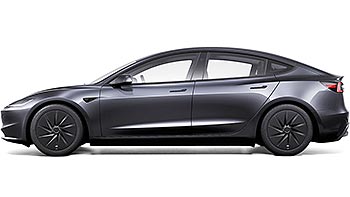
Looking at the delivery results, we are reminded that Tesla's entire brand rests on a two-vehicle portfolio. The Model 3 saloon and Model Y crossover accounted for 478,237 deliveries - 98% of the company's total volume. The refreshed Model 3 Highland finally cured the harsh, spine-jarring ride that its predecessor was known for. Throw it into a series of tight corners, and the front axle tracks faithfully, and the steering feels less synthetic. It finally feels like a proper driver's car.
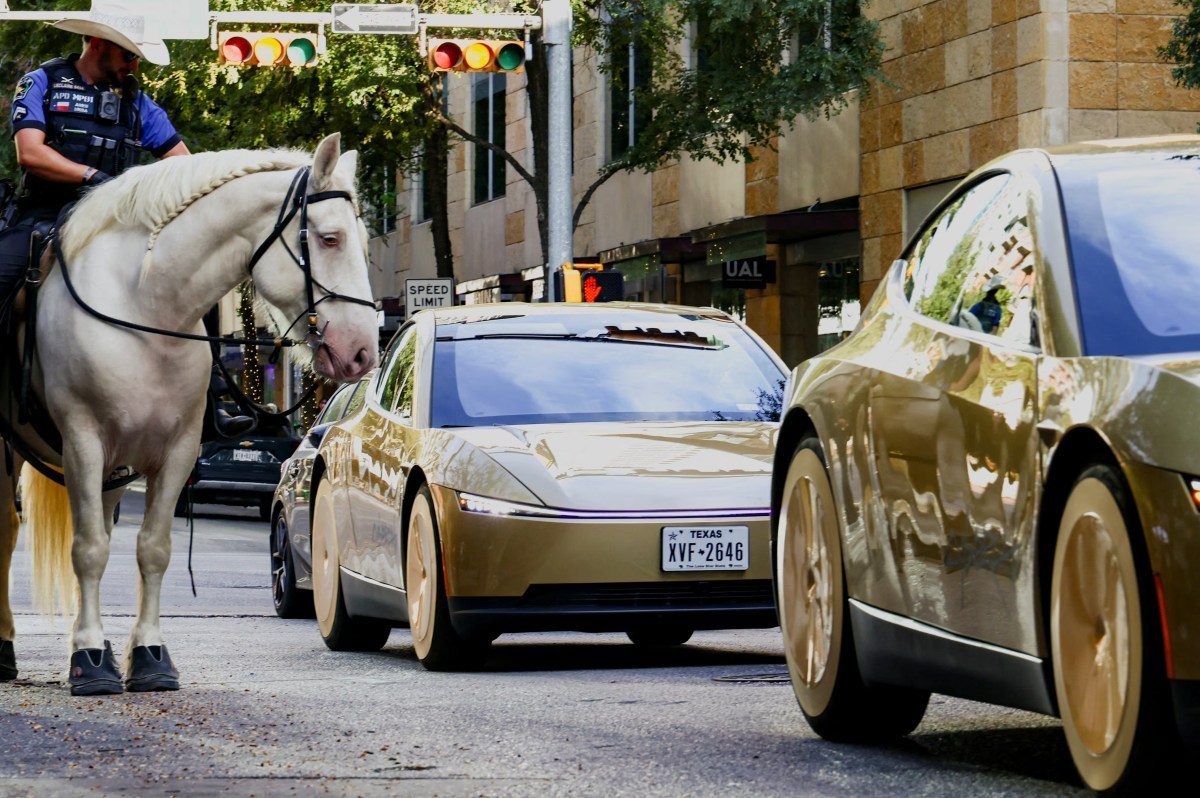
The 3 and Y carry the weight, but the "Other Models" section collapsed 48% year-over-year to 8,295 units. The Model S and Model X were effectively sunsetted earlier this year, after proving that zero-emissions cars could humble Italian exotics. In their absence, this bucket is left to the commercial Semi and the Cybertruck. Elon Musk's SpaceX shelled out $131 million on a fleet of stainless-steel pickups last year, but the angular truck is an eccentric curiosity, not a volume driver.
With household budgets stretched and motorists hurting from rising pump prices, the global market has been practically begging for an honest EV sitting comfortably in the $25,000 to $30,000 bracket. That was supposed to be Tesla's master plan before the switch to autonomous robotaxis, robots, and AI. Austin focused on low-interest financing and software trials to keep selling its aging fleet, and BYD outsold Tesla by roughly 276,000 pure electric vehicles in the third quarter alone - that is tough to watch.
In the United States, the loss of federal tax credits last autumn could have triggered a sales drought, but rising fuel prices have delivered extra demand. Across the Pacific, Chinese buyers are spoiled for choice by home-grown manufacturers who treat vehicles like consumer electronics, updating infotainment and cabin hardware at a monthly pace, so Tesla turned its Shanghai Gigafactory into an export engine. Through the first nine months of 2026, Tesla has delivered 1,324,681 cars worldwide - an 8.8% year-to-date gain - which leaves it needing only 311,448 units in the fourth quarter to beat its full-year 2025 output.
But selling cars is one thing, and making healthy profit is quite another. Tesla's lackluster profitability in the second quarter was a reminder that keeping up volume in a changing market hurts profits. BYD's pace was boosted by in-house control over its blade battery and chassis components. Chinese brands are assembling good EVs at price points Western automakers cannot match. Shipping over 486,000 cars in three months is a big achievement, but when your competitor puts nearly 300,000 more EVs on the road in the same ninety-day window, that achievement starts to taste a bit sour.
Of course, Tesla continues expanding its secondary operations, but with mixed results. The stationary energy storage division deployed 13.7 GWh during the quarter - mainly through Megapack and modular Megablock installations - a 9.6% year-over-year increase, though coming short of the 15.9 GWh Wall Street had predicted. On the software front, the digital team is busy integrating Grok-powered text messaging and conversational voice prompts into the Full Self-Driving ecosystem.
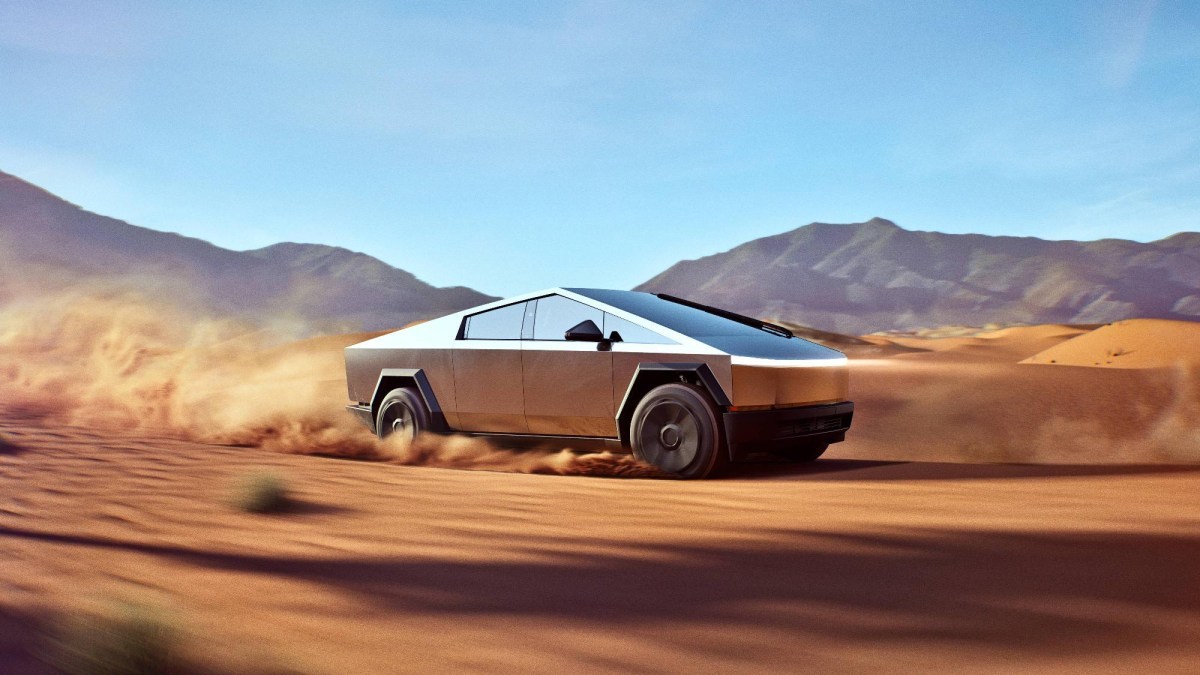
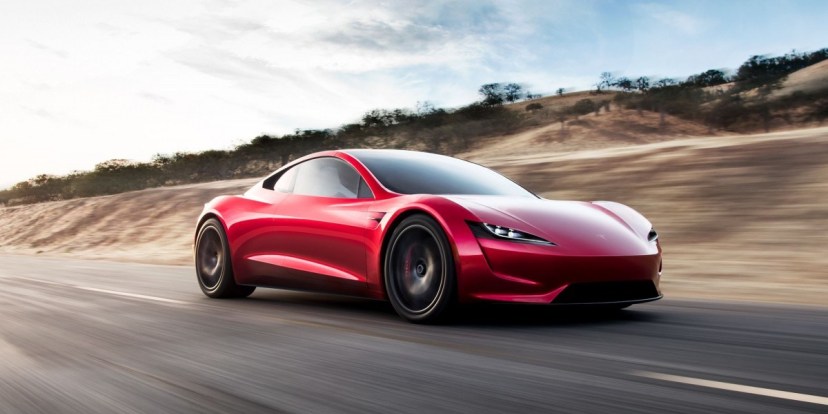
Watching software updates roll out while the second-generation Roadster seems stuck in limbo is an exercise in patience. Pushing the Roadster's reveal back from October 1 to October 15 due to inclement weather feels almost poetic for a car that has been teased since the last decade.
The third quarter of 2026 made one thing crystal clear: the electric car is no longer a novelty. The International Energy Agency announced that one in four new cars sold worldwide is either electric or plug-in hybrid, meaning the market has expanded far beyond early tech adopters. Tesla managed to show its resilience in Q3, but its EV dominance is over.
Related
Reader comments
Nothing yet. Be the first to comment.